5-6 December 2025
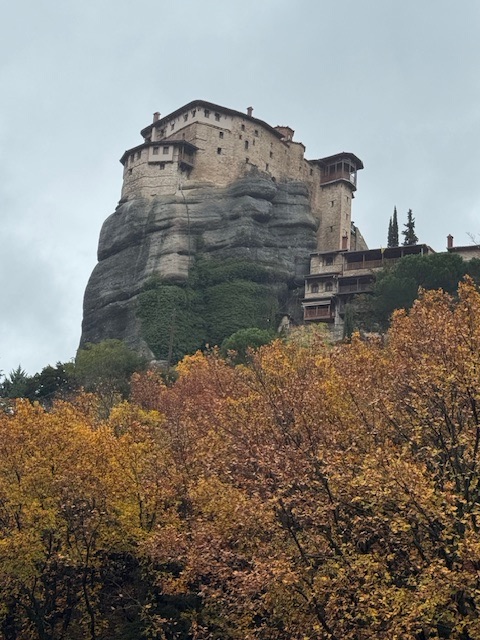
It’s almost impossible to choose a favorite among the monasteries of Meteora—each one offers something extraordinary. From the grandeur of Great Meteoron to the quiet grace of Varlaam or Roussanou, all are phenomenal. Choosing isn’t about finding the best one, but deciding which experience speaks most to you.
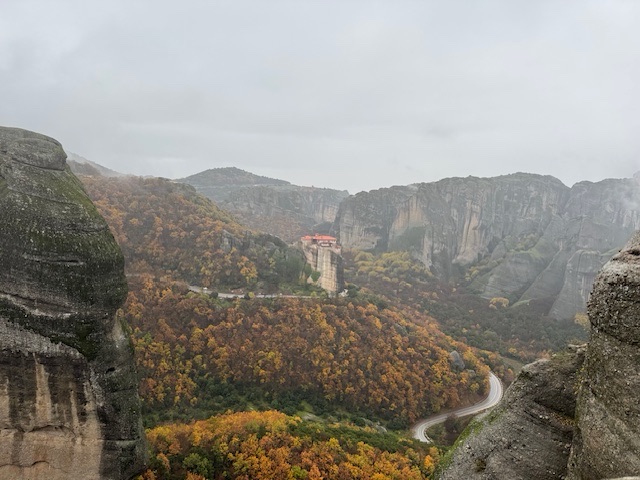
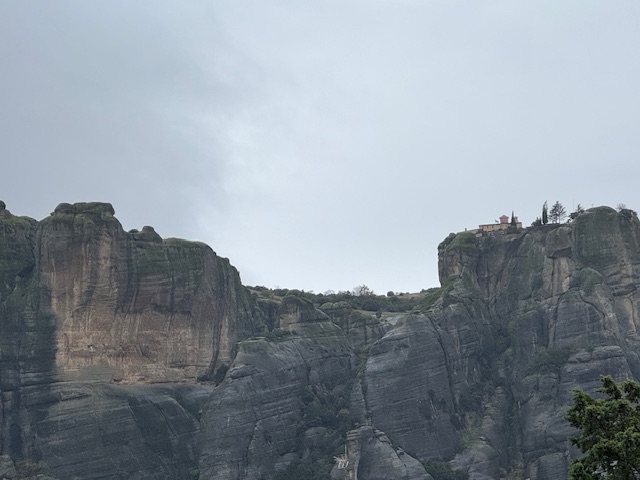
Every site clings to its own towering rock, each with a unique blend of history, art, and sweeping views.
Which Monastery?
In that sense, just like UNESCO, I group the entire site as being the best. Whether it’s breathtaking vistas, ancient frescoes, or simply the sense of awe of one’s surroundings, Meteora monasteries offer an incredible experience.
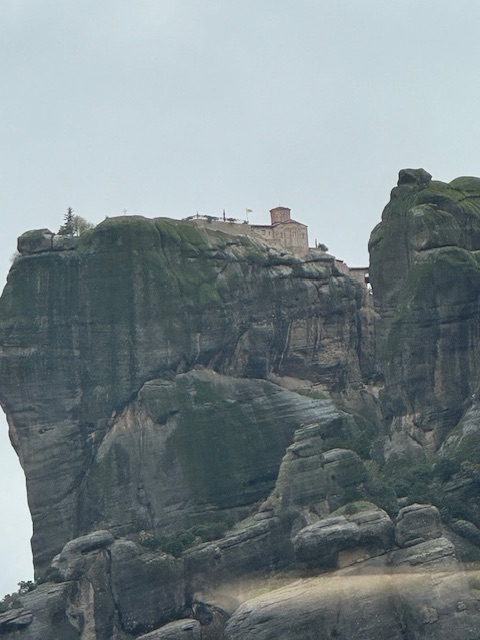
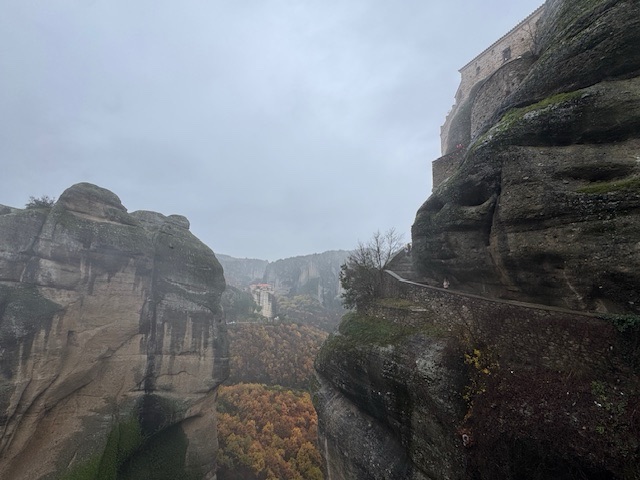
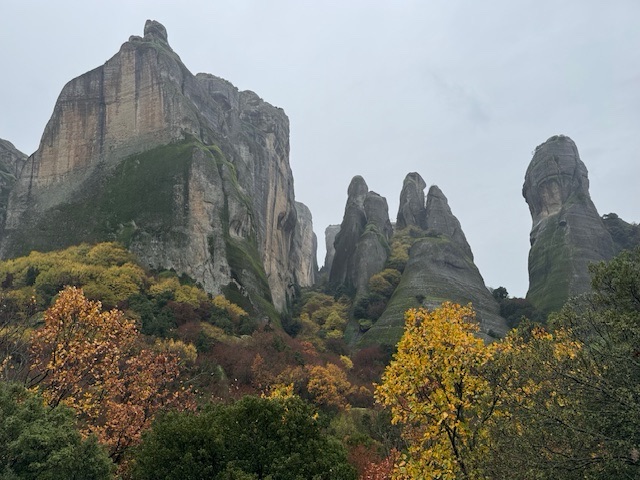
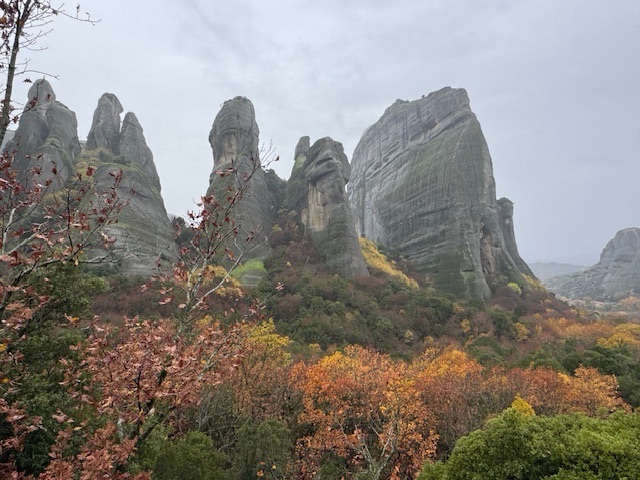
What speaks loudest at Meteora isn’t just the monasteries, but the astonishing setting shaped by Mother Nature herself. Towering pillars of stone rise from the plain like great sculptures, carved by wind and time into something both wild and divine.
What reigns is the quiet. Wind seems to whisper against rock, the play of light and low clouds shift across the cliffs. Amid this grandeur, the monasteries almost seem secondary, as if humans merely followed nature’s lead in reaching toward heaven – a place where the power of the earth and a presence of faith exist in perfect, timeless balance.
Kalabaka or Meteora?
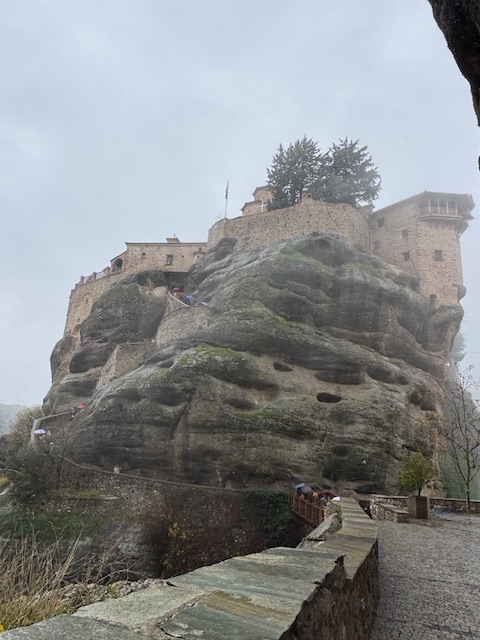
It’s a common question and source of confusion . Meteora is the name everyone knows, because it refers to the complex of rock formations and monasteries that have become one of Greece’s most iconic sights. However, the actual town at the base of those cliffs is Kalabaka (sometimes spelled Kalambaka).
Most visitors say “we’re going to Meteora,” but their hotel and restaurants all technically sit in Kalabaka or the nearby village of Kastraki. The confusion comes from the fact that Meteora isn’t a city or a single site—it’s a geographic and spiritual area made up of those towering rock pillars and monasteries. So, while our destination on the map might be Kalabaka, what we’ve really come to see is Meteora rising majestically above it.
Impressions from a Jaded Traveler
I wouldn’t say I’m a jaded traveler, but after visiting more than a hundred countries and seeing countless world’s best sights (usually influenced by a good advertising campaign), what stays with me isn’t always what’s most famous. When I think back on my own favorites, they’re the places that stirred something deeper—a quiet moment of awe, a connection to the land or the people, or a feeling that I was standing somewhere truly timeless.
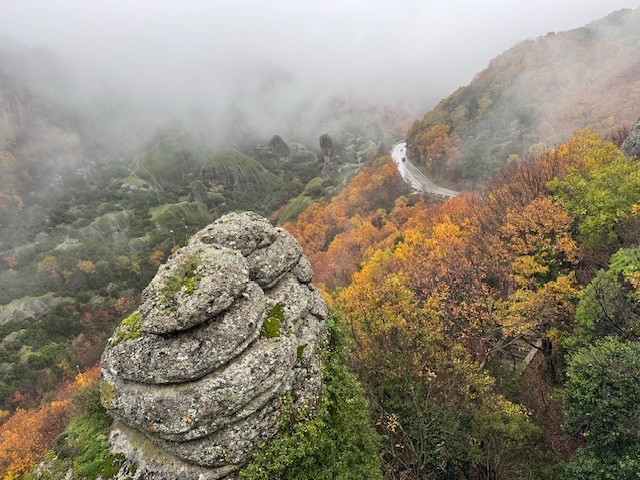
I have come to realize, Mother Nature has a lot to do with my choices. Her, and history. Both represent awesome forces to be recognized and honored. Whether hiking the mountain trails of Nepal, walking the Okunion Bhuddhist Cemetery on Mount Kōya Japan, climbing a glacier in New Zealand, standing atop the bluffs of Normandy, or watching a sunset from my own back yard – each and every experience speaks the language of Mother Nature and history.
Those are the experiences that matter most, the ones that remind me why I keep traveling. The site of Meteora ranks right up there with the best of them. I can only imagine how beautiful this site is when the skies are clear and sun shining.
Other Sites
While the monasteries of Meteora are the main draw, both Kalabaka and Kastraki have plenty of other things to enjoy. Town squares, numerous tavernas and cafes provide wandering space. All located below the dramatic backdrop of the cliffs.
The Natural History and Mushroom Museum is different but ideal for kids. Exhibits include local flora, fauna, and fungi — and even guided mushroom tastings. But then I really enjoy mushrooms. Museum features all things stuffed from a Musk Ox to Jaguar, birds from around the world and several mammals.
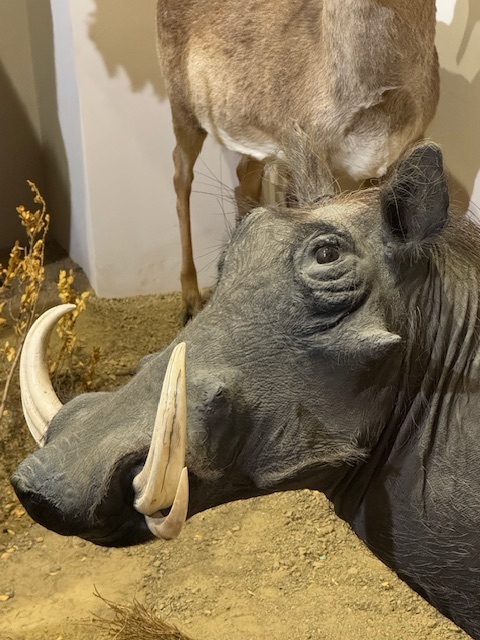
Hakuna Matata ran out for this stuffed Pumbaa.
The dioramas are well-done, although one might cringe at the eagle taking-out the fox. Not to miss is the incredible video of an Eagle versus a 300+ pound mountain goat.
Upstairs, interesting displays include all things mushrooms. I once again met Otzi, the ancient mummy found in the Alps and now in his own museum in Bolzano, Italy. He was found with mushrooms in his bag: one mushroom used to light fires, another mushroom to confront the parasites of his digestive system, and a third mushroom was on identified.
There’s also the Meteora Digital Projection Centre, which offers short 3D films explaining the geology, history, and monastic life of Meteora — a possible introduction before visiting the monasteries themselves. The museum only plays the video for 4 or more. The videos themselves probably do not deserve a wait.
Theopetra Cave
Five miles southeast of Kalabaka lies the archaeological site of Theopetra Cave. It preserves a very long record of human presence spanning from the Middle and Upper Paleolithic, through the Mesolithic and Neolithic eras. Among the finds: human footprints tens of thousands of years old, stone tools, and a stone wall built around 21,000 BCE (believed to be one of the oldest known constructions in Greece) that sheltered early humans from Ice Age icy conditions. Unfortunately, the storm and poor road conditions deterred our drive. Maybe next time.
Kastraki Under the Pillars
Kastraki, smaller and more peaceful than Kalabaka, feels almost like a mountain village tucked right under the rocks. Towering over our heads are the massive pillars of Meteora.
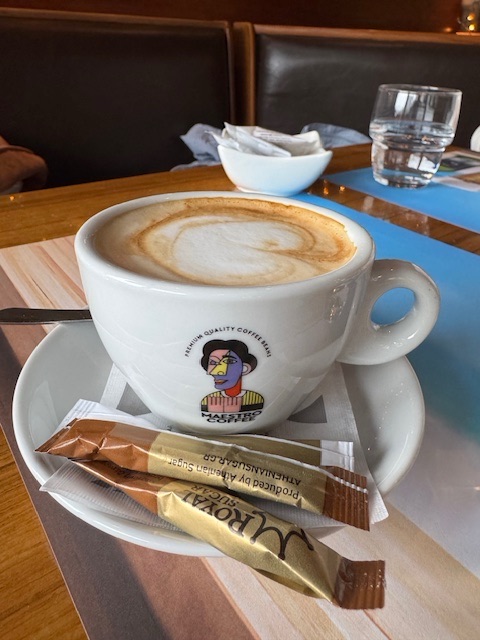
After some additional exploration of the region, the cloud and rain returned. A cafe near Kastraki proved a perfect stop for coffee and pizza.
Located in Kastraki Square is the Museum of Geological Formations of Meteora. The exhibits use modern audiovisual media and fossils, minerals and rocks from all over Greece. They tell the story of how the sea receded, tectonic forces rose the land, and erosion shaped the distinctive pillars of Meteora. It for sure would have been better than the Digital Centre.
Mother Nature: Reflections of Meteora
Sitting in the town square with a chilled glass of Retsina—or perhaps a warm cup of coffee—I can’t imagine a better view. The cliffs of Meteora drift in and out of the clouds, timeless and unmoved, reminders of how generously Mother Nature has shaped our world and how carelessly we have treated Her. I feel a quiet gratitude for the chance to witness such beauty.
Tomorrow, we face whatever Zeus throws our way. We leave these mountains behind, bound for the lands of Homer, the Olympians, and Agamemnon—where myth and history intertwine. And where Severe Storm Byron has wreaked havoc with road conditions.
Our Greek Odyssey continues.

0 Comments