1 April 2026
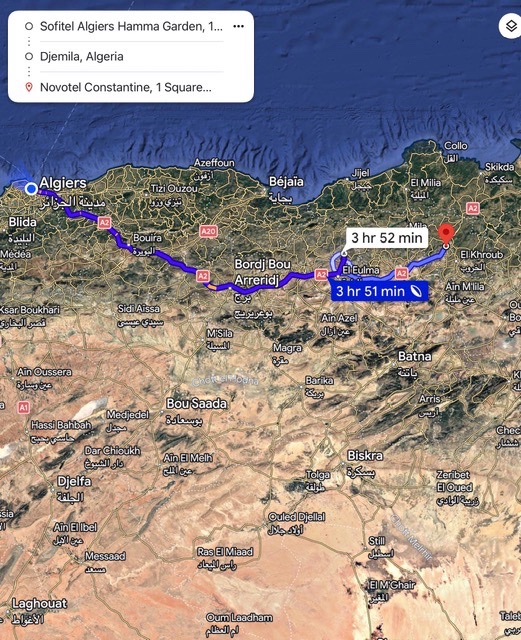
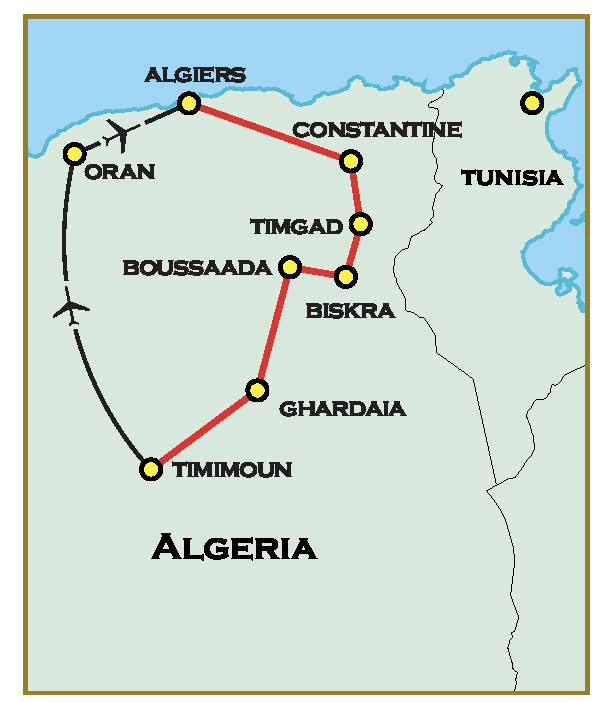
We depart Algeria and travel to Constantine – a long, long 275-mile drive. The guide describes it as embarking on “a captivating journey.” Skies loom gray, rain falls and wind gusts.
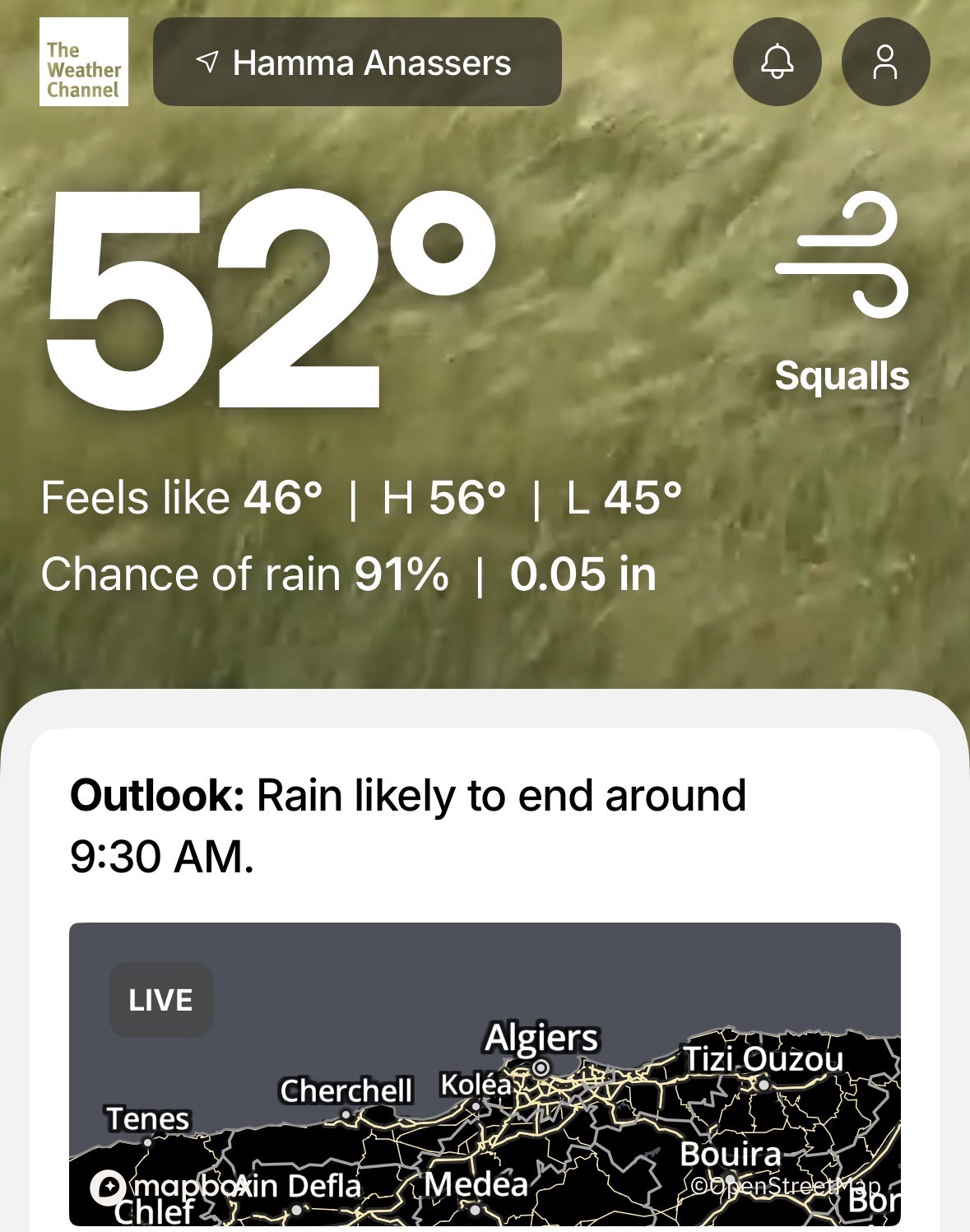
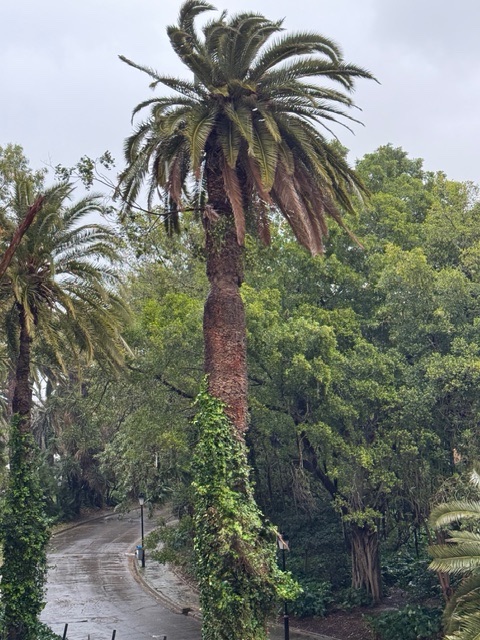
Flags flap perpendicular. The gardens and trees take the wind in stride. For me, a good day sitting in a bus.
Will this be a captivating journey or a stretch of the imagination? We travel the multi-lane A2. For the first 30 minutes, we technically remain In Algers. Opposite, solid lanes of traffic inch past entering the city while we zoom along destined for the countryside. Toll booths sit empty, no tolls collected.
Scenery consists of arid hills, lots of orchards with mountains toward the north. The blue Mediterranean lies far beyond, never in sight. About 200 miles southeast, we will stop to explore more Roman ruins.
Journey Proves Captivating
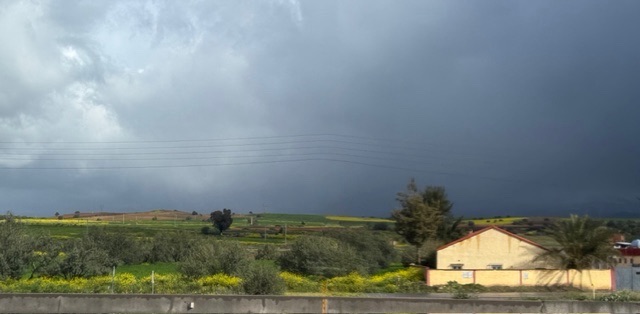
Rain continues as we enter Bouīra Province and the Atlas Mountains loom to my left. We pass through three long tunnels heading southeast into the mountains. I am told it will be very cold. I look for snow as it would not surprise me at this point.
The land is brilliant green decorated with a profusion of yellow rapeseed and purple wildflowers. The land is fertile as it rolls toward the Atlas Mountains. Villages dot the hills and valleys. Herds of floppy eared sheep graze roadside. I spot brief holes of blue sky among the dark clouds.
Good Grief – I Was Kidding
This region is defined by rugged plateaus, dramatic cliffs, and deep gorges that form part of the Tell Atlas landscape. Here rise the Aurès Mountains, a highland chain that creates a natural transition between the Mediterranean north and the Sahara Desert.
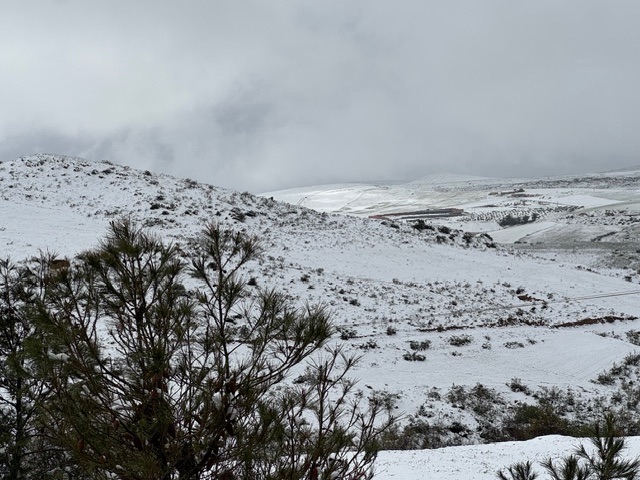
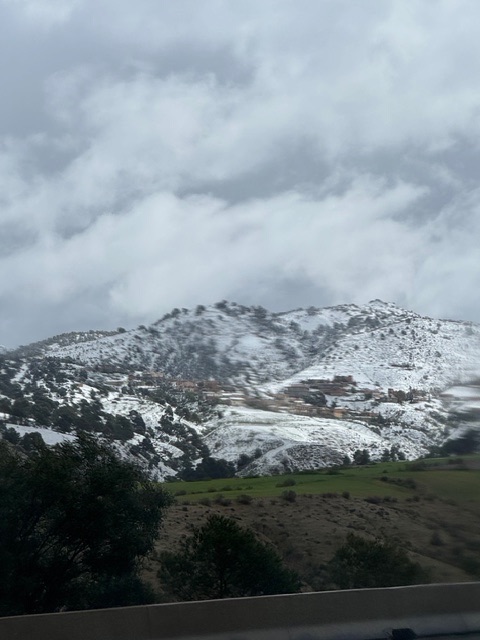
But, I did not really expect snow!
To me, we are not that high in the mountains, yet there it is in all its glory. Skies are schizophrenic and loom dark one moment, peekaboos of blue the next. And there, over the Atlas Mountains layers of white snow. Captivating but cold.
Notable peaks include Djebel Chelia at about 7,638 feet and Djebel Mahmel rising to about 7,615 feet. While the mountains here and nearer Constantine are generally lower, they remain steep and striking, contributing to the region’s dramatic scenery and historic natural defenses.
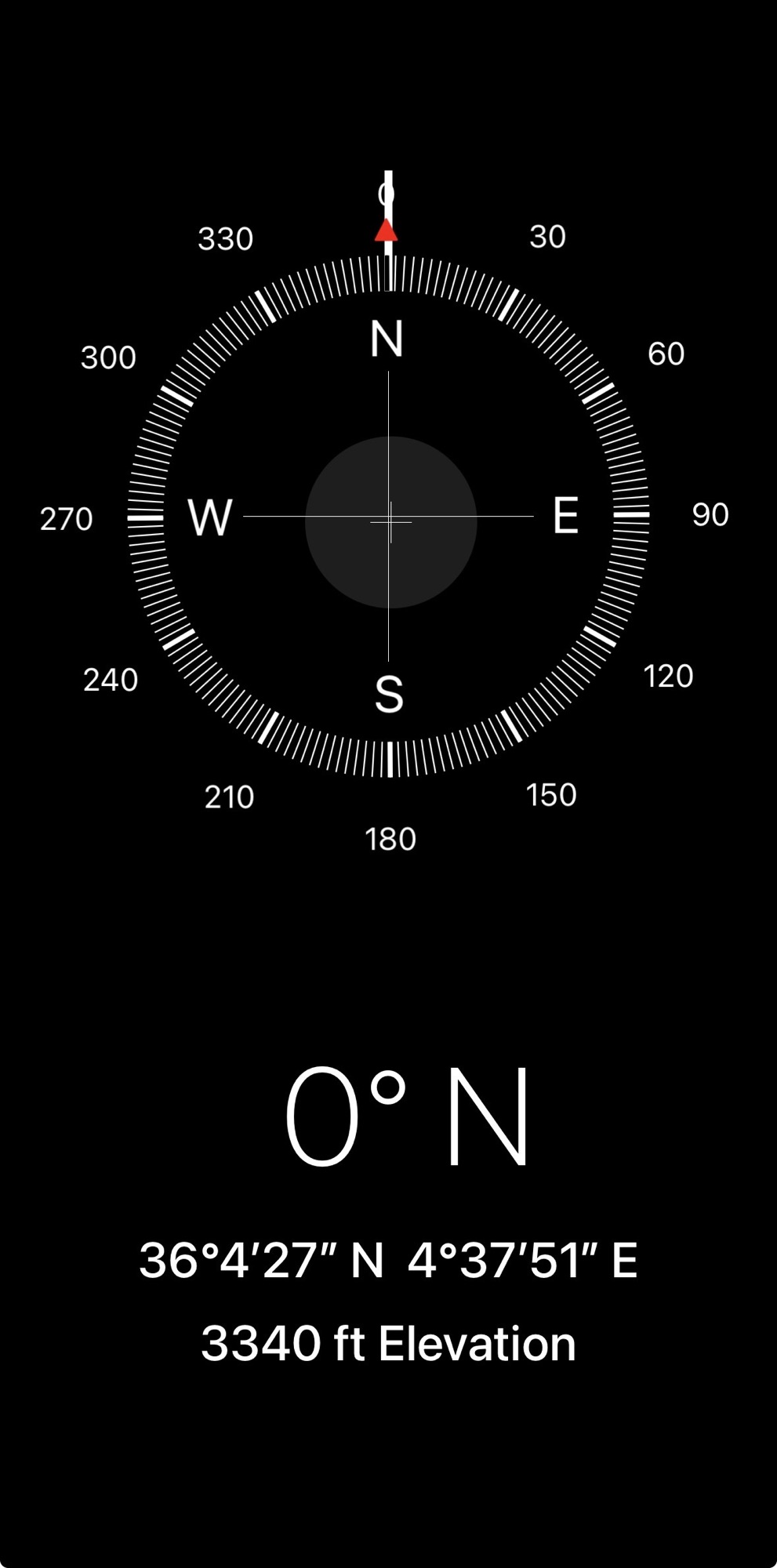
Out of curiosity, I checked our latitude. Constantine, Algeria, is located at approximately 36°21′ N latitude. Several U.S. states have areas lying on or very near this same 36th parallel north which roughly marks a boundary in the southern/southwestern part of the US. The 36th parallel passes south of the Grand Canyon and through arid Nevada.
Climate Change becomes real. While Algeria welcomes rain, the blustery winds and cold temperatures make for winter-like travel. I continue wear layers of long and short sleeve shirts and my windbreaker. It feels hardly enough. I did not bring a winter coat. Admittedly, my bag is a lot lighter, so there is that.
And this covering of snow!
Djemila
Ancient Cuicul, today’s Djemila, remains an impressive Roman city. What makes Djemila especially striking is its setting. Surrounded by green hills and open sky, and all that snow, the pale stone ruins feel both monumental and serene.They offer a vivid sense of everyday Roman life carried out far from the empire’s center.
Also, Djemila remains remarkable for how completely a Roman city survived in this mountainous setting. Rome founded the city in the late 1st century CE as a settlement for Roman veterans. As many retirement communities, I’m not sure if moving here became punishment or privilege.
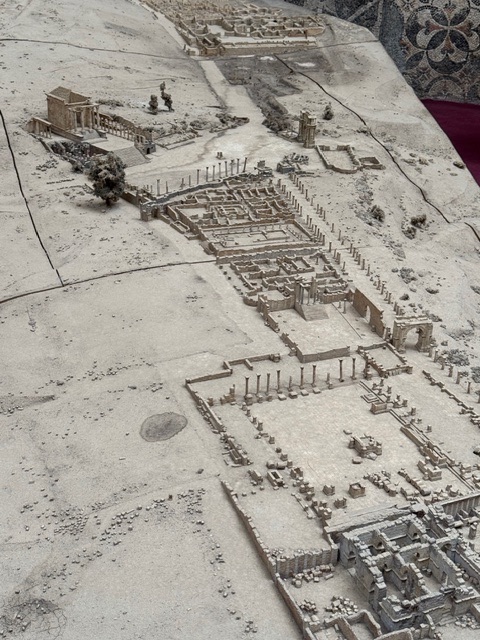
However, the city grew steadily despite its challenging terrain. It adapted classical Roman urban planning to steep slopes and narrow valleys. Over time, it became a prosperous provincial town, enriched by trade and agriculture. Ultimately, it declined in late antiquity and eventually abandoned.
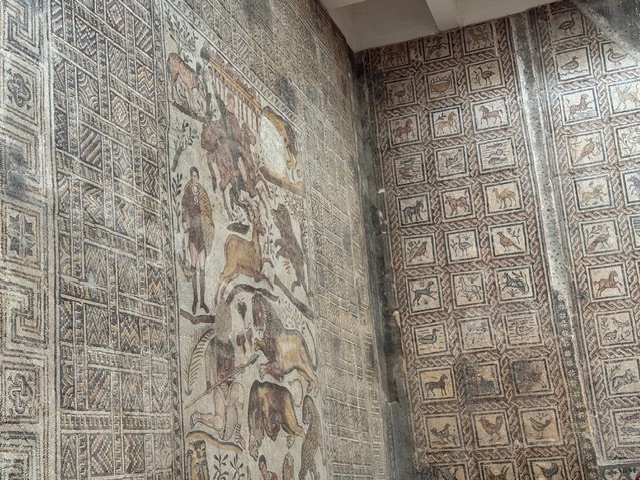
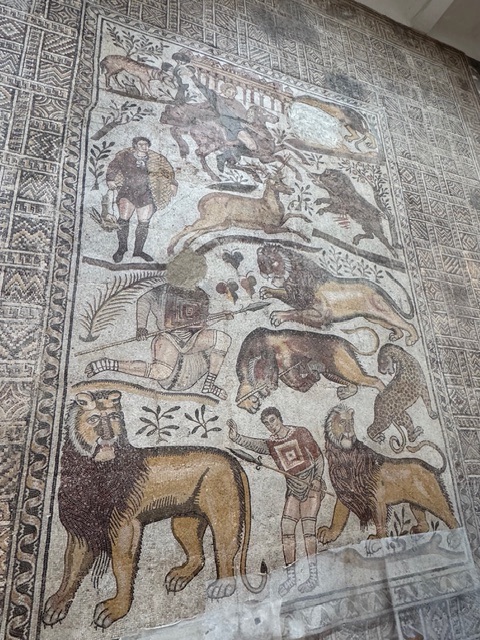
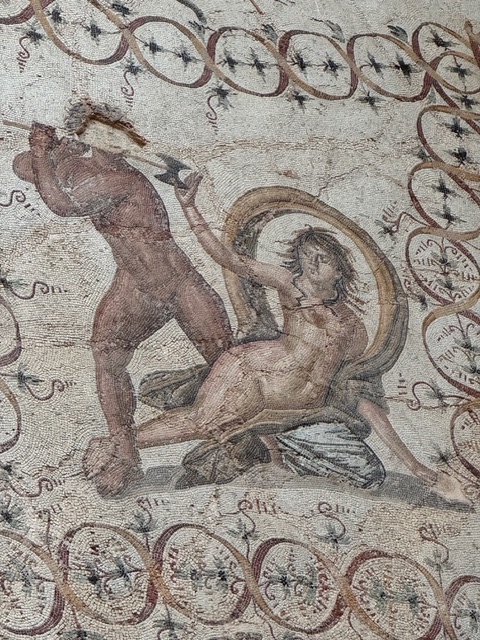
The museum contains the most spectacular collection of Roman mosaics imaginable. Tall walls display massive mosaics in excellent condition.
The extraordinarily well-preserved forum, temples, basilicas, markets, and houses seem purposely laid out. Paved streets and standing columns still define public and private spaces. A later, larger forum shows how the city expanded as it flourished. Some of the most memorable remains include the temples dedicated to Roman gods, large bath complexes, and several Christian basilicas reflecting the city’s late Roman religious life.
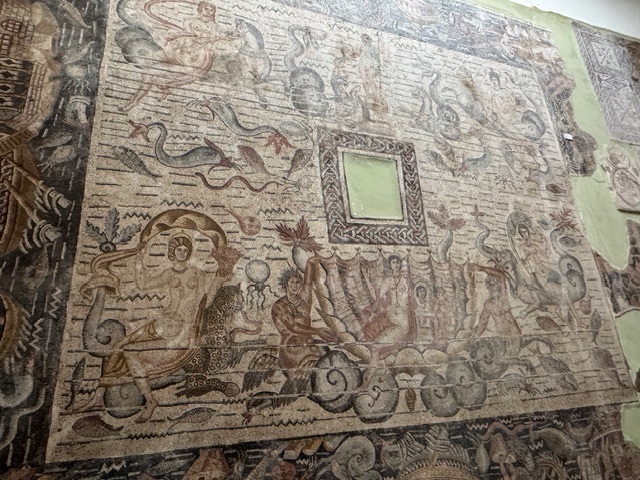
Some of us are stubbornly determined to weather blustery winds, icy cold and mud to tour these spectacular ruins. I feel for those Romans who lived here in winter. Maybe Mother Nature treated them kinder. I am bundled in a warmer wool shawl which helps to shelter me from cold but my toes and hands are freezing.
Why So Many Roman Ruins?
I am not imagining that I have toured a lot of Roman ruins since arrival in country. Algeria has one of the densest concentrations of Roman ruins in North Africa, second only to Italy itself. There is no exact count, but archaeologists estimate there are several hundred Roman sites across the country, ranging from fully excavated cities to forts, roads, bridges, farms, and scattered remains. Roughly 100–150 sites are considered significant or identifiable. Dozens more are only partially studied or known through inscriptions and surveys.
The reason is scale: Roman Algeria existed not as a fringe province but a core agricultural and military zone of the empire. It supplied grain, olive oil, and soldiers. Therefore, Rome invested heavily in cities, infrastructure, and frontier defenses. That’s why I explored everything from grand planned cities like Timgad and Djemila to inland forts and bridges.
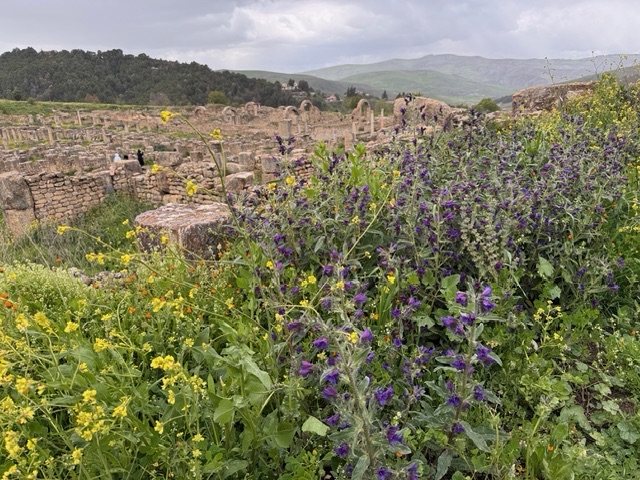
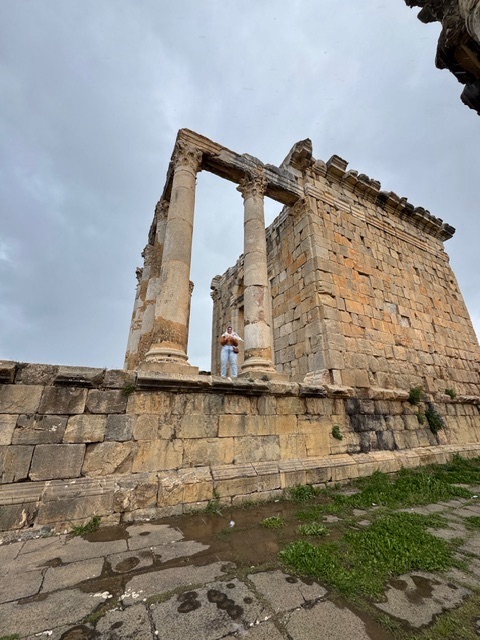
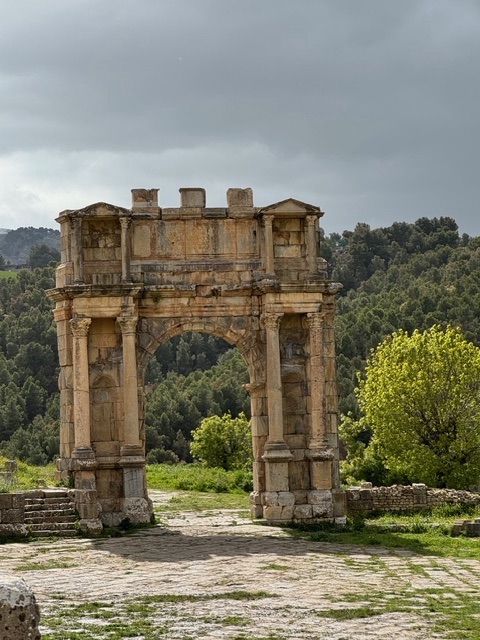
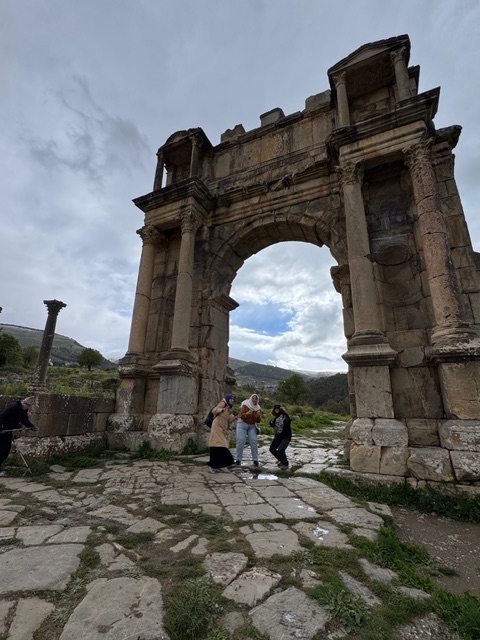
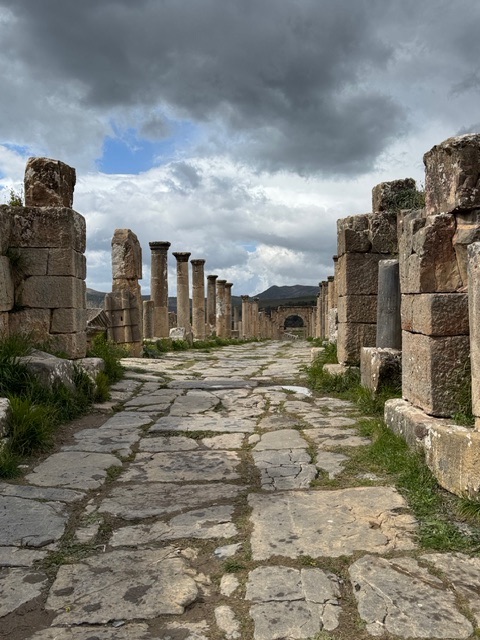
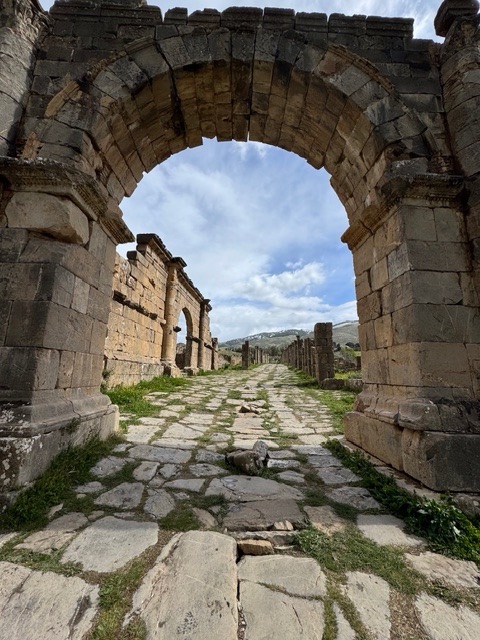
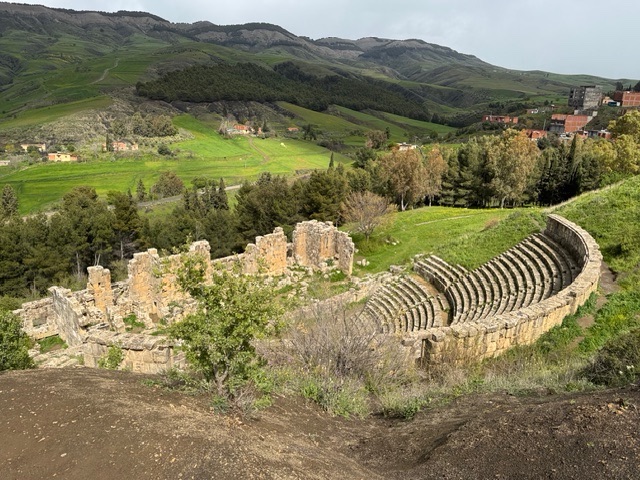
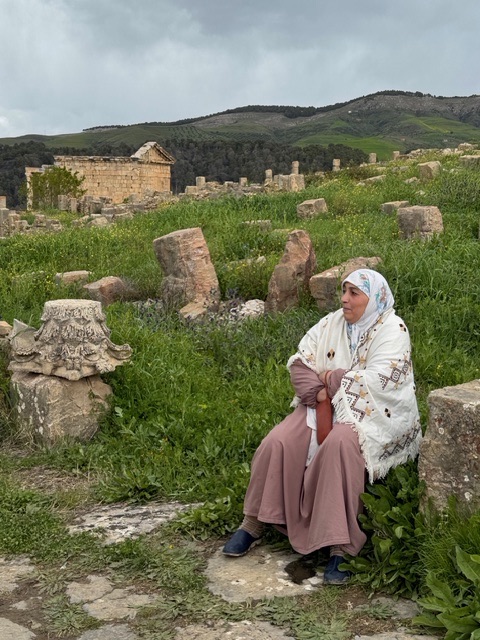
In short, Algeria isn’t just rich in Roman ruins — it was thoroughly Romanized, and the landscape still shows it everywhere I look. Djemila is extraordinary not only for its ruins but its setting. In spite of the freezing cold, I am glad for the opportunity to walk its streets.
Constantine
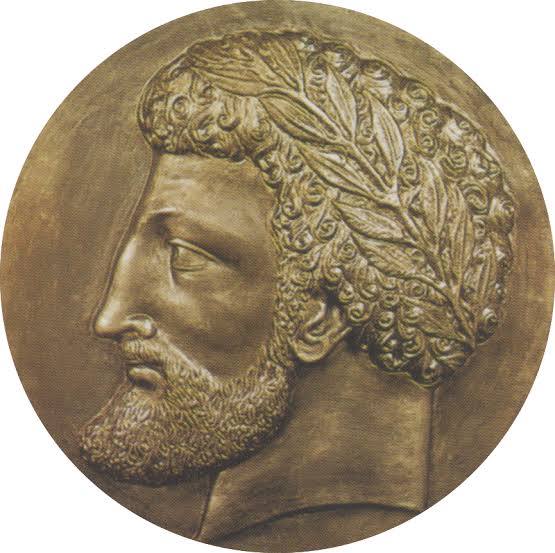
We continue driving a further 80 miles to Constantine – one of Algeria’s oldest and most dramatic cities, perched on a rocky plateau split by deep gorges. It began as the ancient Numidian city of Cirta, capital of the Numidian kings, most famously King Masinissa (left) in the 3rd century BCE.
The Romans later took control, and after the city was destroyed during internal Roman conflicts, Emperor Constantine the Great rebuilt it during the early 4th century CE. Thus, the city’s modern name.
Over the centuries, Constantine passed through Byzantine, Arab-Islamic, and Ottoman hands. It became an important center of learning, trade, and religion. Its dramatic natural defenses made it both strategically valuable and difficult to conquer. After fierce resistance, the French conquered the city during the 19th century. This left a legacy of colonial architecture alongside older Islamic and Ottoman monuments. Today, Constantine’s history is written into its cliffs, bridges, mosques, and palaces, making it a city where geography and history are inseparable.
City of Bridges
Constantine became the City of Bridges for good reason. Its dramatic gorges forced engineers of every era to get creative. Bridges span the deep Rhumel River canyon. They link sections of the city that otherwise would be completely isolated. Each bridge reflects the technology and ambitions of its time.
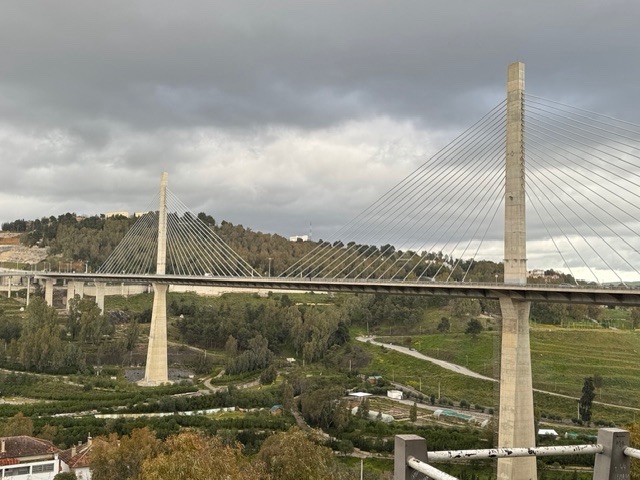
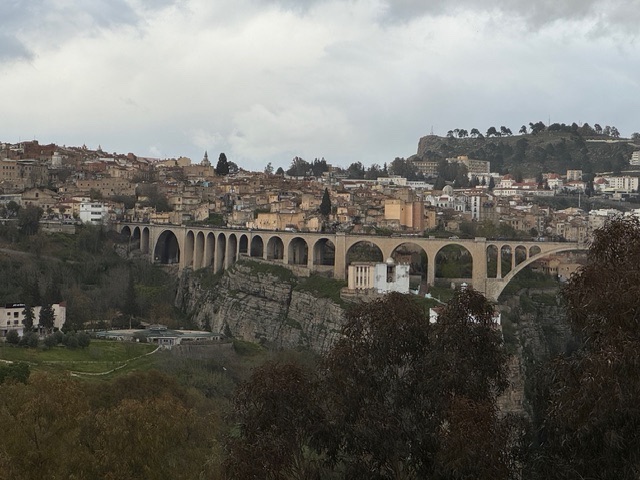
There are several iconic bridges spanning deep gorges. Bridges include the modern cable Salah Bey (Independence Bridge finished in 2014), the Bab El Kantra with its Ottoman ruins, Mellah Slimane, Sisi Rached, Falls, and Devil’s Bridge. Constantine becomes the city of seven bridges plus one.
The oldest crossing traces back to Roman times, though nothing substantial survives from that era. The most famous historic bridge is Bab El Kantara. Originally built by the Romans in the 2nd century CE, it has been rebuilt many times since, most notably during the Ottoman period and again under French rule in the 19th century. It remains one of the city’s main entrances and still carries traffic today.
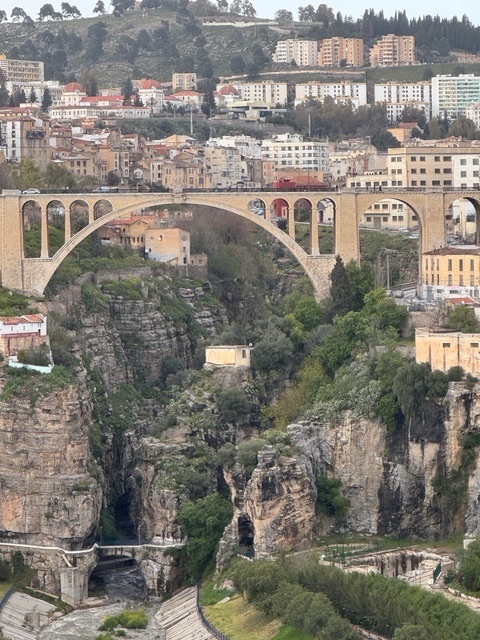
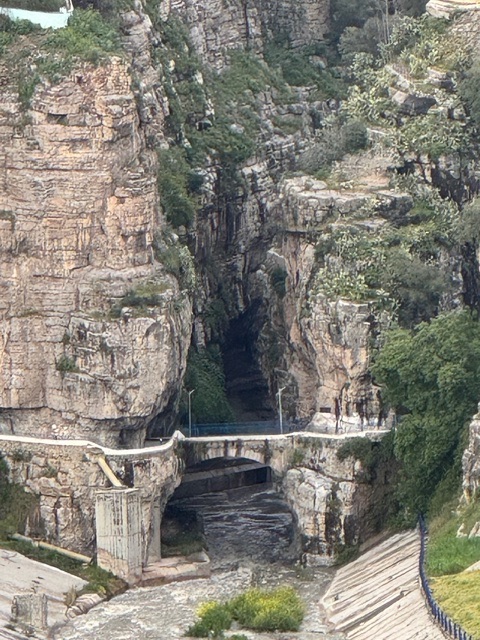
From the colonial era, the Sidi M’Cid suspension bridge, completed in 1912, remains the most iconic. Hanging high above the gorge, it offers breathtaking views. Nearby, the El Kantara Viaduct (early 20th century) and the Mellah Slimane footbridge add to the network. Together, the bridges form a living timeline of engineering, making them as central to Constantine’s identity as the cliffs themselves.
Emir Abdelkader Mosque
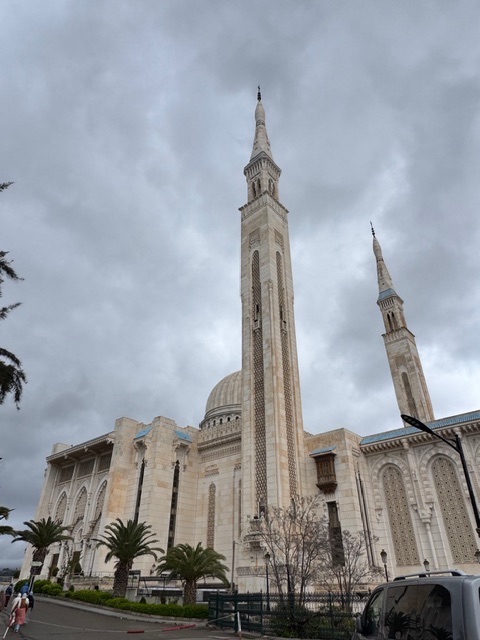
The Emir Abdelkader Mosque is a modern structure that reflects both Algeria’s Islamic heritage and contemporary ambition. Construction began in 1994 with its opening in 1997, making it one of the newest and largest mosques in the country.
It was built to honor Emir Abdelkader, the 19th-century Algerian religious and military leader who resisted French colonization and thus revered as a national hero.
Architecturally, the mosque combines traditional Islamic design with modern engineering. Its central dome rises impressively over the prayer hall.
Smaller domes and slender twin minarets reach skyward, echoing Ottoman and Maghrebi styles. The exterior uses white marble and intricate stonework, giving it a luminous presence against Constantine’s cliffs. Its scale, decorative detail, and commanding location make it one of Constantine’s most striking modern landmarks
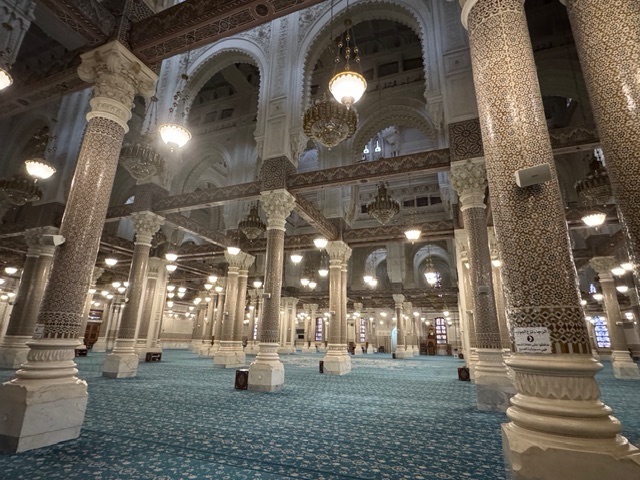
Inside, the prayer hall is spacious, designed to accommodate 15,000 worshippers. Rows of elegant, slender marble pillars support the space and create a sense of order, drawing the eye toward the mihrab at the front. These pillars are spaced to balance structural support with an open, uncluttered feeling, giving the hall a sense of expansiveness.
The central dome soars approximately 130’ above the prayer hall. Its height creates a feeling of vertical grandeur, emphasizing both the spiritual and architectural scale of the mosque. Smaller surrounding domes and arches complement the central dome, enhancing acoustics and light distribution. Geometric patterns, arabesques, and subtle ornamentation decorate the ceiling.
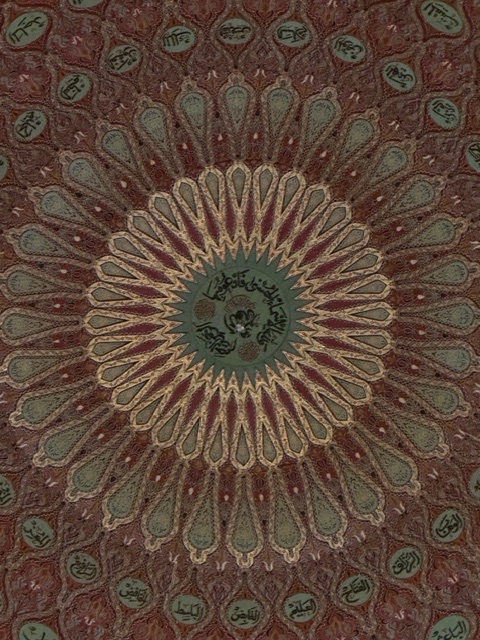
Everything seems designed to reflect light and add depth without overpowering the simplicity of the white marble walls. The combination of pillars, high ceilings, and open floor space gives the interior an airy, almost weightless quality that feels both majestic and serene.
Overnight in Constantine
Tonight, we stay at the Novotel, a typical Novotel but well located in downtown with a view of downtown Constantine and a highway. It needs updating and decent WiFi. The buffet saves us from having to go outside again.
At least it has a bar. Even tho two pumps but no beer on tap. Bartender serves a poor excuse for wine at $33 a bottle. However, the bottled Castel (a French company) served in a Becks glass, tastes good.
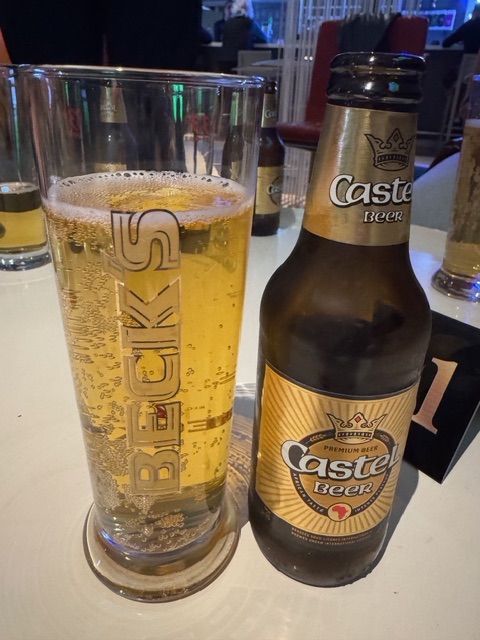
In other words, the hotel remains no big deal. I suspect I have been spoiled by the previous 4-star accommodations.

0 Comments