September 2026
As reality currently exists, I accept the later.
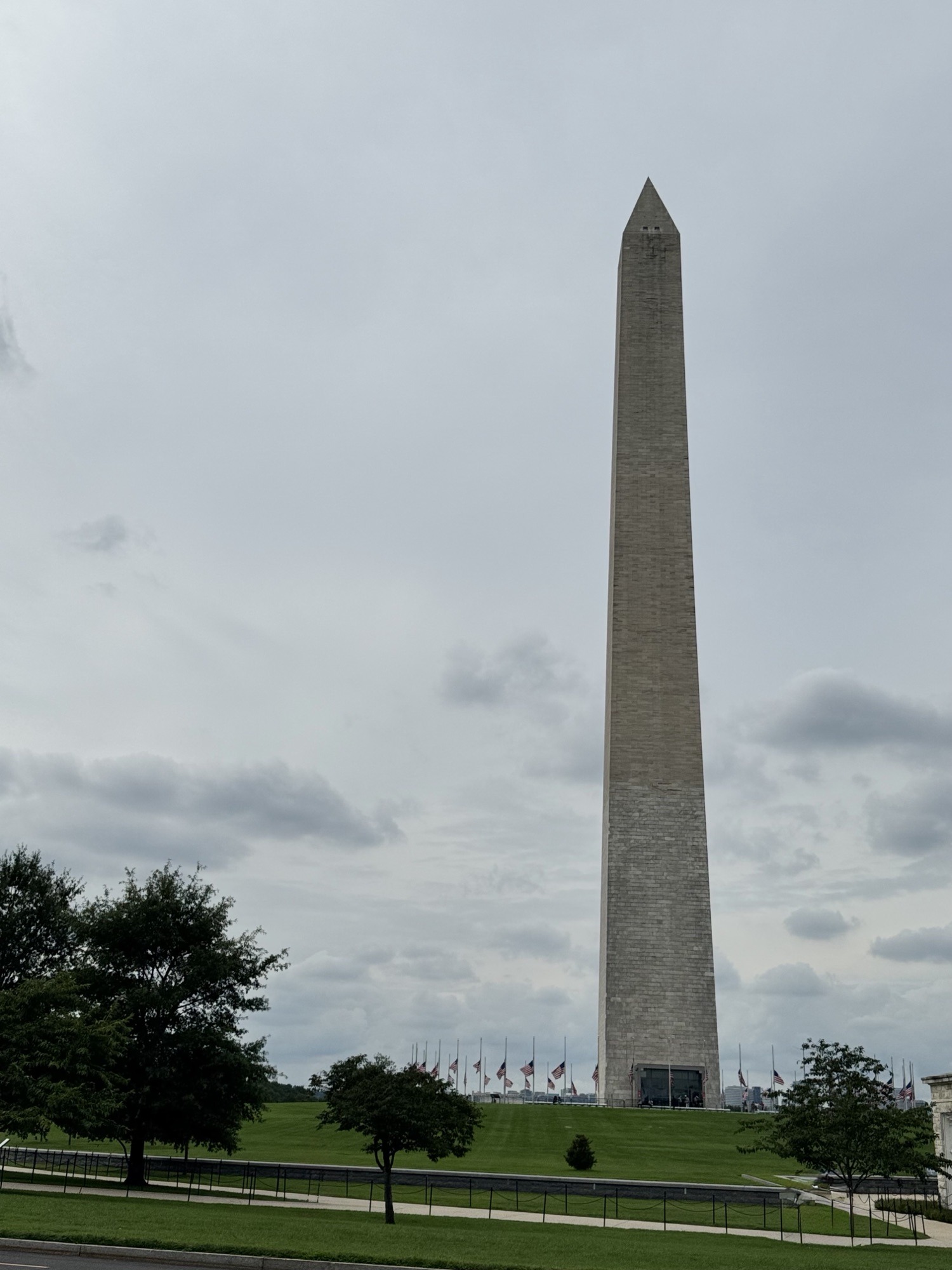
I travel to my nation’s capital to visit my niece and her new abode. Also, to explore two national museums. For the niece, it will be a time of exploring her environment and doing some fun shopping. With a new apartment, I am sure there are items of want. That’s what great aunts are for.
For the museums, there are plenty to see in D.C. The Smithsonian currently has 17 free museums and the National Zoo in the area. (Actually, the Smithsonian claims it has 21 museums worldwide, 17 in the D.C. area.) Just focusing on the area of the National Mall, 11 museums or buildings line its perimeter. I have been to most over the years, so this trip, I concentrate on two in particular.
National Museum of African American History and Culture
The National Museum of African American History and Culture represents one of the Smithsonian museums best destinations. The exhibits don’t just tell American history with Black history added in. It tells the story of American history through the African American experience. Timed passes are required, so book using the Smithsonian site before you go.
The museum is large, well organized, and offers several very informative galleries and displays. There are 4 levels, so give yourself lots of time.
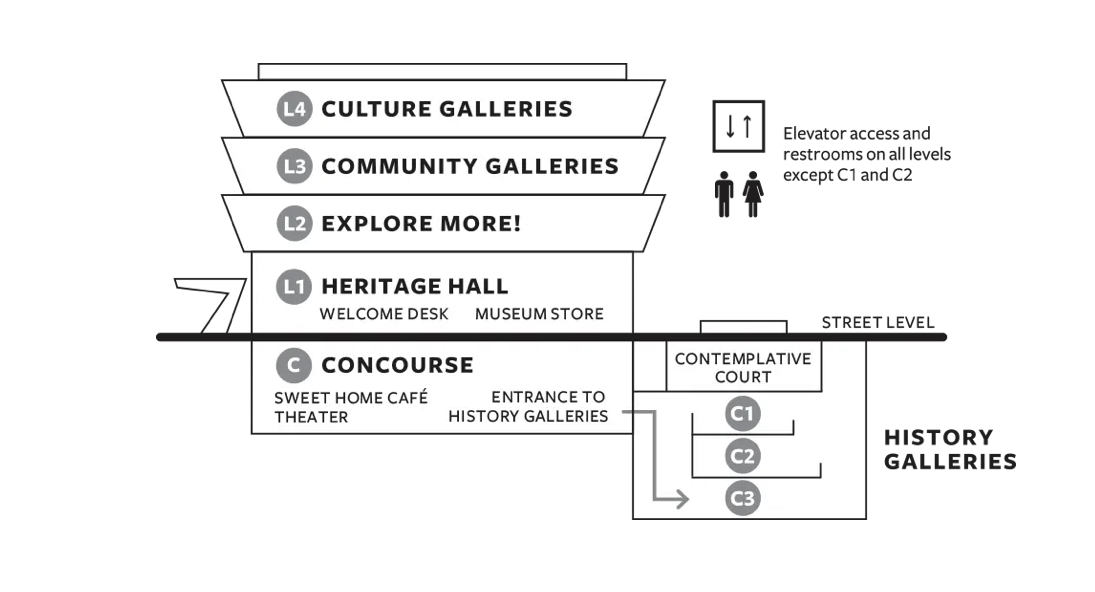
History Galleries
I descend into the history galleries. They included “Slavery and Freedom,” “Defending Freedom, Defining Freedom” (Reconstruction through Jim Crow), and “A Changing America” (1968–present). Galleries cover the transatlantic slave trade through slavery, the Civil War and emancipation. What makes the visit particularly powerful is the actual objects. Rather than simply photographs and text, the museum connects slavery to the founding ideals of American freedom. (At least those ideals most Americans still believe in.)
I descend down into the earth as the story moves through slavery. One climbs back up as its story moves into the present. This rising represents a design choice that makes the space itself part of the storytelling. Also, the museum doesn’t present the Civil Rights Movement as the “end of story” which most certainly it is not.
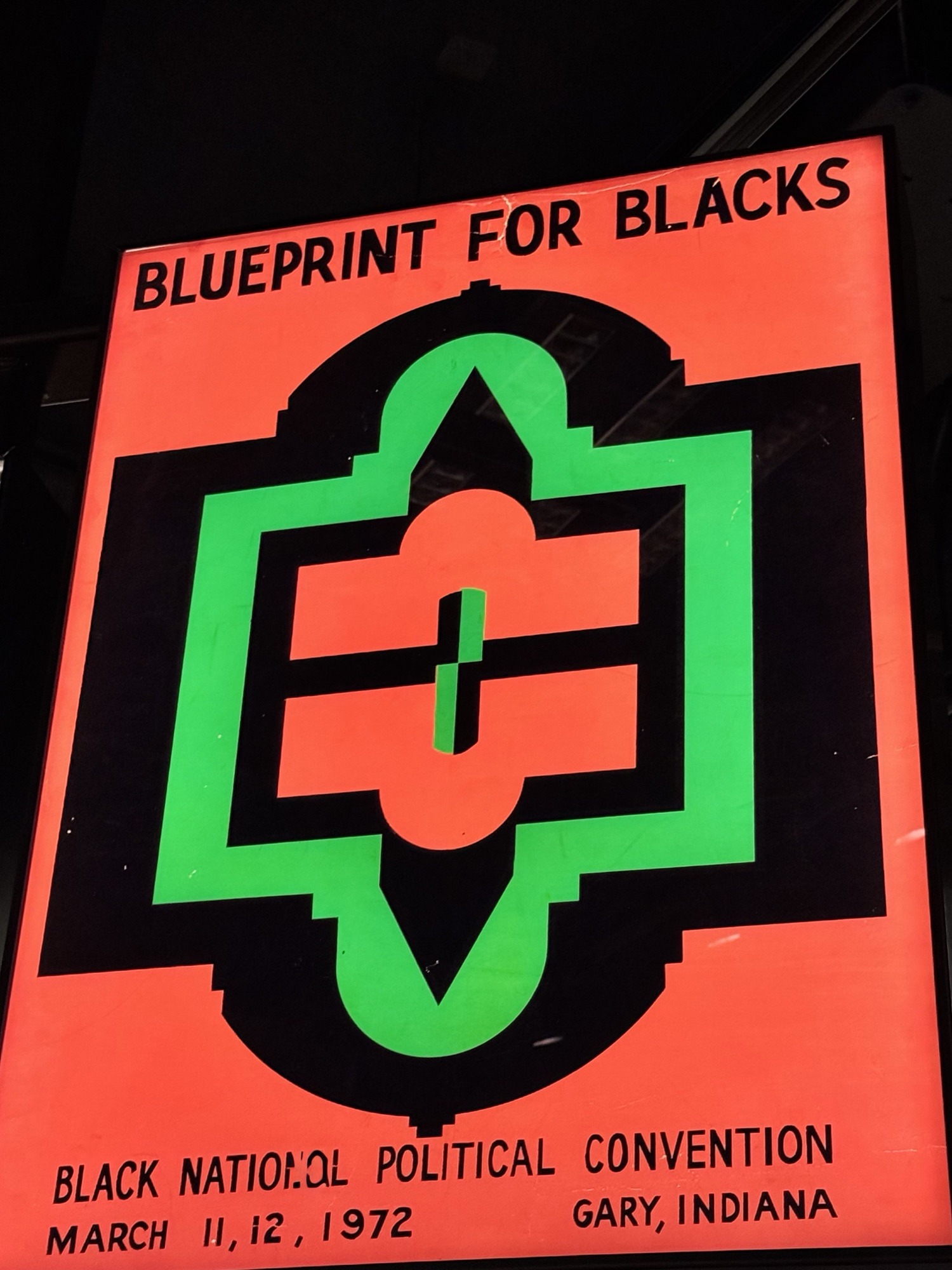
Anyone who has attempted to learn about the true history of America, its birth and settlement, will recognize many of the objects on display. This includes Emmett Till’s original glass-topped casket. It required great courage for his family, not only to request the casket for their son, but to include it and his story here. The Tuskegee airplane represents a reminder of another form of Black courage and contribution to a country which ostracized their community because of skin color.
The museum has worked extensively with East St. Louis and St. Louis communities, including preserving and digitizing local African American history. However, I don’t find anything about the 1917 East St. Louis massacre. In July 1917, white mobs attacked Black residents in East St. Louis, Illinois, killing dozens of African Americans and driving thousands from their homes.
It is one of the major episodes of racial violence during the period of the Great Migration. The Smithsonian community-curation program recently spent substantial time in East St. Louis, working with local historical organizations and documenting its African American history. Hopefully, an exhibit is forthcoming.
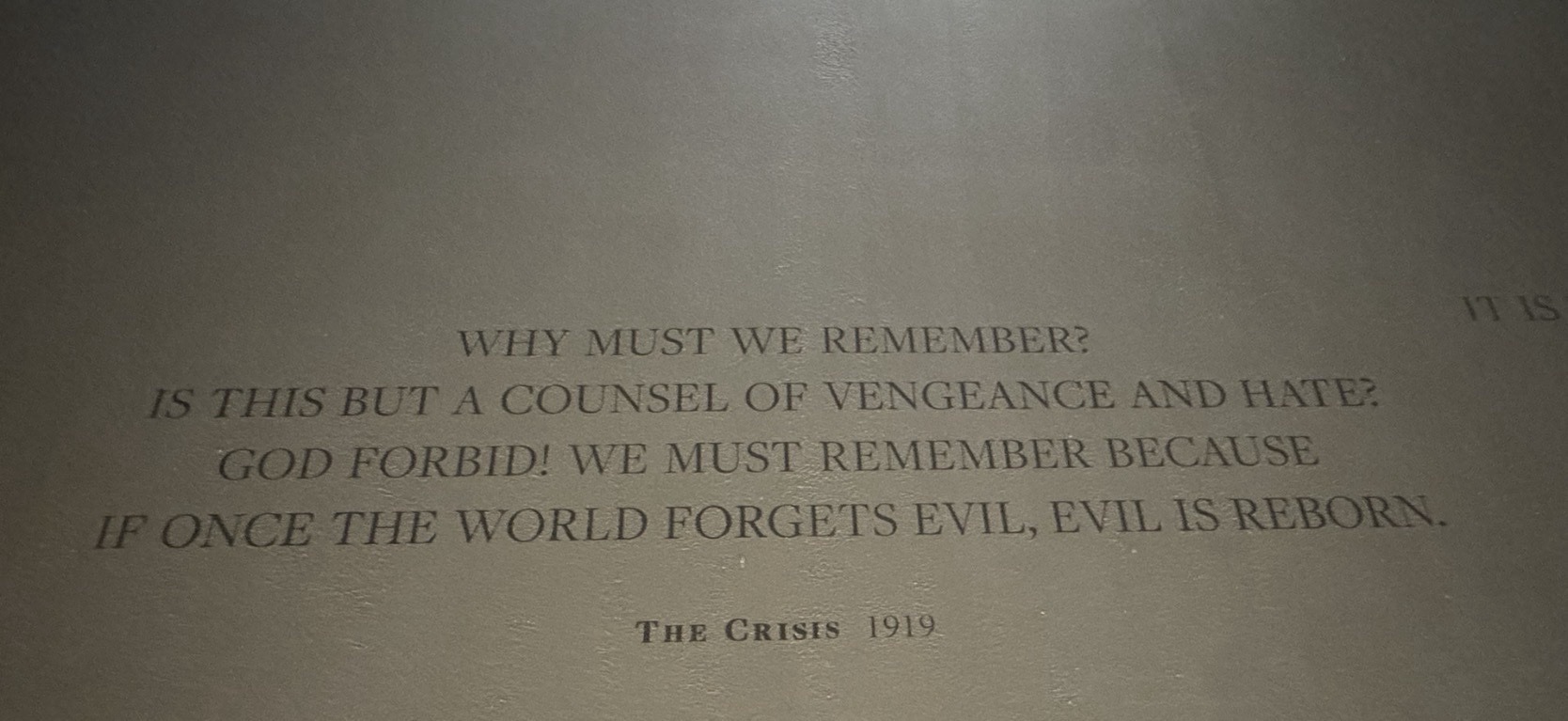
Community Galleries
Community Galleries on Level 3 cover African American military experience, the Black church, and Black entrepreneurship. There’s also a section about Leveling the Playing Field with African American achievement in sports. Everyone should remember Nazi dismay when Jessie Owens won four gold medals in the 1936 Summer Olympics in Berlin. Such treatment extended within American sports leagues well into the late 1940’s.
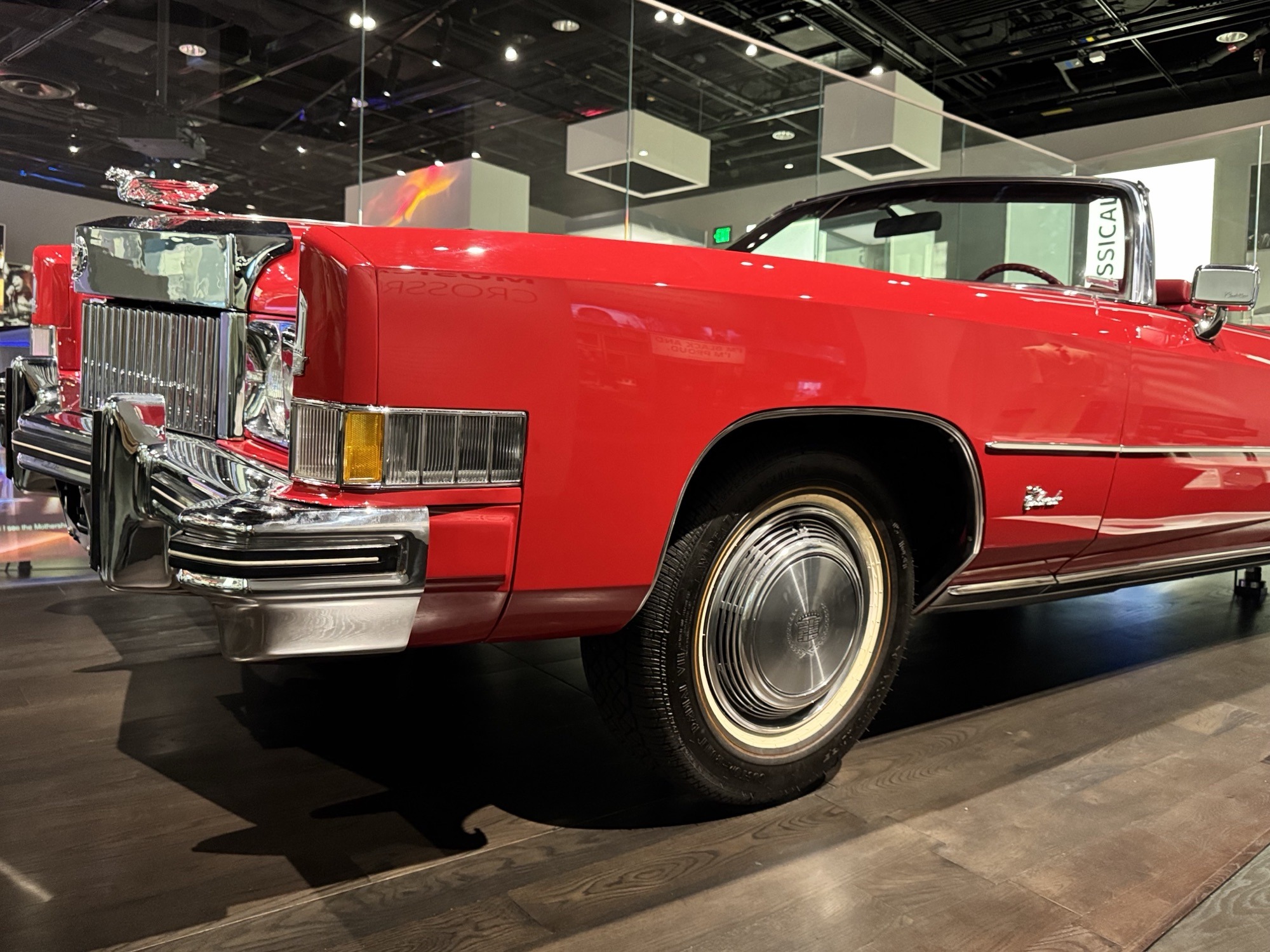
There are also celebratory Cultural Galleries occupying the top level. If you love music, this might be where you go to lighten the mood. Musical Crossroads shows how African American creativity produced and transformed blues, gospel, jazz, rock, R&B, hip-hop and other musical traditions. And there are wonderful artifacts including Chuck Berry’s red Cadillac (left).
I enjoy movies, television and theater, so I checked out the Taking the Stage exhibits. It examines how African American performers challenged stereotypes and gradually transformed representation on stage and screen. Two new exhibits include the visual arts: Journey into Abstraction (abstract art) and Abstraction Embodied in Design (furniture rugs and more).
The National Museum of African American History and Culture is excellent and well organized. It represents a must for all Americans. Especially those who wish to ignore, rewrite, or erase the realities of American history. I’ve traveled extensively, exploring history, coming to the conclusion if Germany can recognize and learn from their part in the tragedies of the past, so can we Americans.
National Museum of the American Indian
American history continues with my exploration of the National Museum of the American Indian. The same lessons may be had as exists for the African American museum. Maybe more so. Here, the museum attempts to expand one’s understanding of the history, culture, and experiences of people whose stories are often left out of traditional American history. Left out, ignored, misunderstood and distorted.
The building is one of the most distinctive buildings on the National Mall, designed with sweeping curves and natural-looking stone. Inside, there is a dramatic central atrium with waterfalls and plants. It is free, requires no timed pass, and includes four levels of exhibitions.
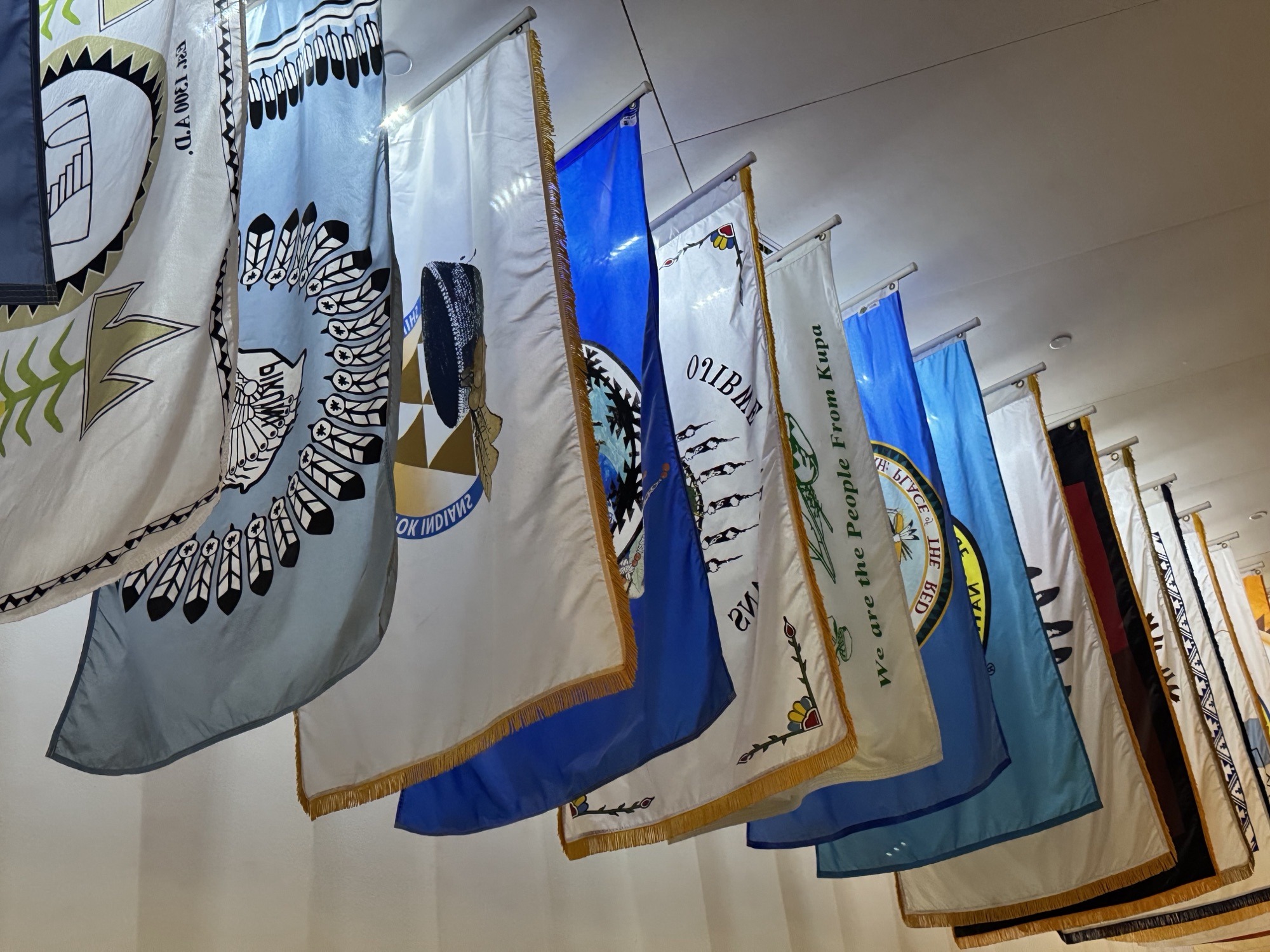
Museum exhibits focus not just on history but on Native peoples themselves. Objects, clothing, artwork, photographs, and multimedia presentations represent many different Indigenous nations throughout North, Central, and South America. The museum emphasizes that there isn’t one single Native American culture. Different nations have very different histories, languages, traditions, and contemporary experiences.
Some especially interesting areas include Nation to Nation which explores treaties and the relationship between Native nations and the United States. This is particularly useful for understanding U.S. history from a different perspective. Let’s agree to look at battles and the fight for freedom, culture, and dignity from something other than Custer’s perspective.
Native Peoples and Native Images
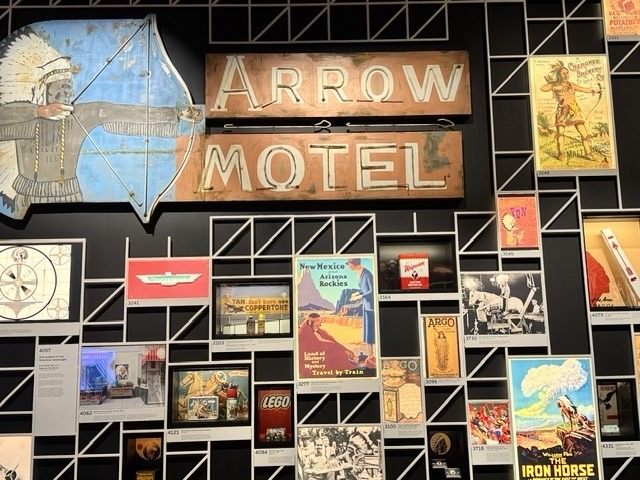
Americans examines how Native people and Native imagery have been represented in American popular culture, including some surprising examples. Native Voices focuses on contemporary Native people and communities, rather than treating Indigenous peoples as only a subject of the past.
The Water’s Edge is a wonderful exhibit of the art of Truman Lowe, a modern American sculptor and installation artist. As a member of the Ho-Chunk Nation of Wisconsin, Lowe was a past curator of this museum and known for his large art creations using all natural materials.
Seeking historical context rather than just looking at artifacts, I find the museum’s approach to Native sovereignty, U.S. government policy, treaties, and historical memory particularly interesting. The museum is well organized, modern and should take about 1-2 hours to explore.
Wonderful Day, Mostly
Visiting the National Museum of African American History and Culture and the National Museum of the American Indian represents a powerful reminder that American history is not one single story. Not just the story and angle of the winner. Both museums showed the lasting effects of discrimination, displacement, and the struggle for equality and recognition.
The day also demonstrated the importance of hearing history from the perspectives of the people who lived it. The stories of African Americans and Native Americans reveal both painful chapters in our past and remarkable resilience, courage, cultural strength, and determination.
Most importantly, the museums made clear that the story of these communities is not simply history. It continues to shape America today. Understanding these experiences gives us a deeper and more honest appreciation of the country we have become and the work that remains.
And with that, no I didn’t walk to the putrid slime-covered, fenced and guarded Reflecting Pool which our tax dollar was frivolously wasted upon. Nor the disastrous destruction of our noble White House. As yet, no ridiculous Napoleonic Arch obstructs the beauty of our nation’s capital.
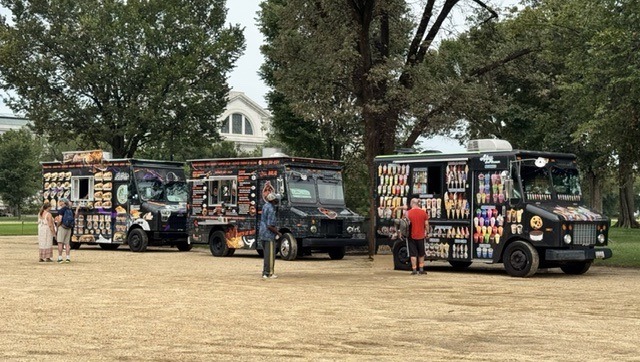
Actually, the current corrupt state of my nation’s capital makes me want to go home, take a shower, and have a drink.

0 Comments