27 Oct 2026
Getting to my destinations seems to become harder every time I fly. Perhaps it is the airlines, perhaps it is my advancing appreciation for sleep, or perhaps I have simply become less willing to pretend that a 36-hour journey is “just a long flight.”
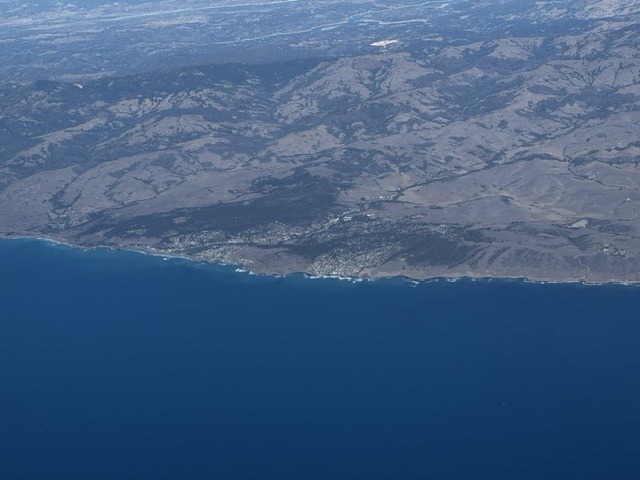
These days, a lack of confidence in airline schedules means building extra time into the journey – longer layovers, generous connections, and, when necessary, an overnight stop. The trip may take longer, but at least I have a fighting chance of arriving with some semblance of a functioning brain.
Money becomes a solution to many travel problems
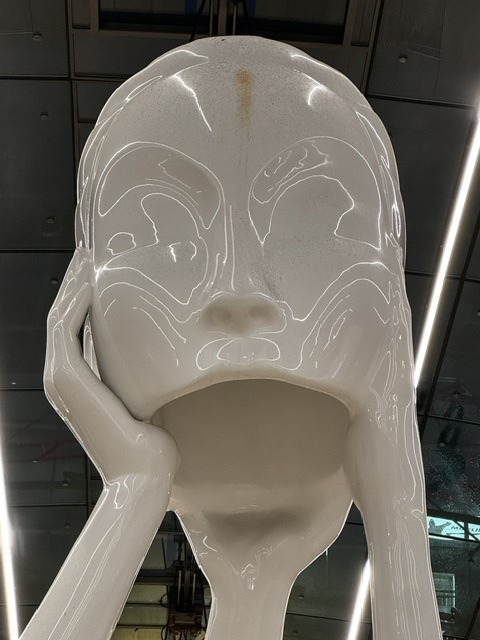
There exists, fortunately, a solution to many travel problems: money and a willingness to spend it. Business or First class, airport lounges, priority boarding. A comfortable airport hotel instead of spending the night folded over a suitcase in a terminal chair.
I thank the travel gods that these options are available to me. They don’t make the journey shorter, but they do make it considerably more civilized.
What matters in life is not what happens to you but what you remember and how you remember it. – Gabriel Gardía Márquez
I have done the Frankfurt overnight before, staying in the Hilton Garden Inn, conveniently located at the airport, with restaurants nearby and a bed that doesn’t require me to sleep sitting upright.
And includes a beer!
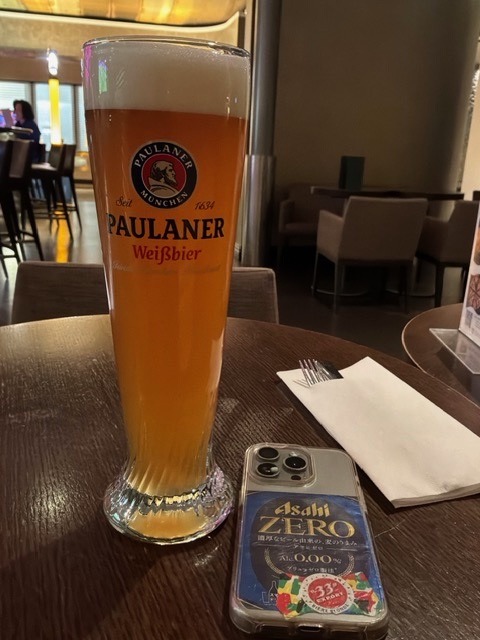
Door to door, the journey has still consumed more than 17 hours – and that’s before continuing on to my final destination in Africa. The return trip will easily exceed 35 hours. At some point, one stops measuring the journey in miles and starts measuring it in meals, movies and sanity.
And While in Frankfurt
The Truth of EES?
I might finally understand EU’s new EES system for entry/exit. Its purpose never intended to make passage faster; its purpose – to electronically monitor immigration. My fourth time using the system, I faced the automated machines, passport, photo, fingerprints (which never seemed to work). I was then instructed to move on to the manual checkpoint. There, an officer checked passport, took another photo. Ca-Ching! Passport stamped. Done.
I suspect my earlier expectation was a service similar to Global Entry. Not the case here. Immigration really has not changed. It’s adapted to technology that is much more observant. But not faster!
But, I’m Not Even There Yet!
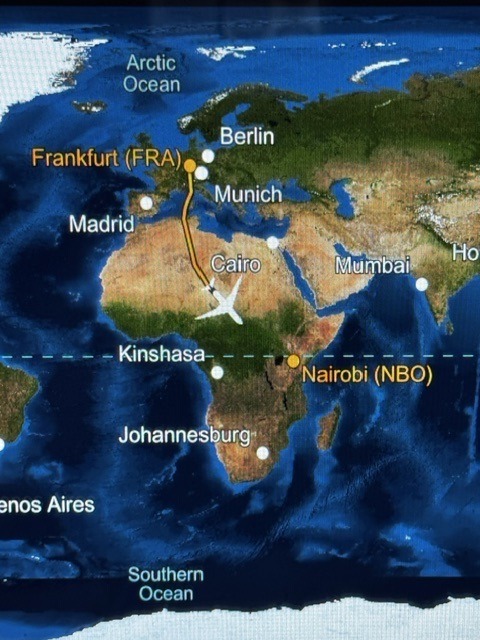
From Frankfurt, another eight hours or so takes me onward to Nairobi. Now, I know myself well enough to admit that I need a rest before doing anything remotely adventurous. I am no longer one of those people who arrives after an international marathon and cheerfully announces, “Let’s go explore!”
No. Let’s find the hotel. Let’s get a drink.
Which makes me wonder what I was thinking when I booked my return journey from Zanzibar all the way home in a single day. What, if all goes to schedule, amounts to a marathon, torturous 38 hours or more! Clearly, I temporarily ignored several of my own travel rules. I will have no one to blame but myself.
Life is like a box of chocolates, they say. Sometimes, however, you reach in expecting chocolate and pull out something that tastes suspiciously like nasty peppermint. Ugh. Spit it out and move on.
Murphy was an optimist.
Eventually, Nairobi appears outside my airplane window, and the long journey begins to feel worthwhile. I am transferred to the Hotel Sarova Stanley in the heart of the city, where a comfortable room and a welcoming hotel are exactly what I need. I check my view, grateful for a few hours of solitude before joining the rest of my travel group.
For now, there is nothing on the agenda but rest, a simple meal, and my first local craft beer. I settle in, savor the beer, and decide what might occupy a few hours tomorrow. Or, I can do nothing at all. My choice.
Nairobi in a nutshell
Nairobi is a relatively young city by African standards. Before the railway arrived, this was open grassland and wetland country where Maasai herders grazed their cattle. Even the city’s name comes from the Maasai Enkare Nyirobi, meaning “place of cool waters.” In 1899, the arrival of the British-built Uganda Railway transformed this quiet landscape into a railway camp and supply depot. The camp grew rapidly and by 1907 Nairobi had replaced Mombasa as the capital of British East Africa.
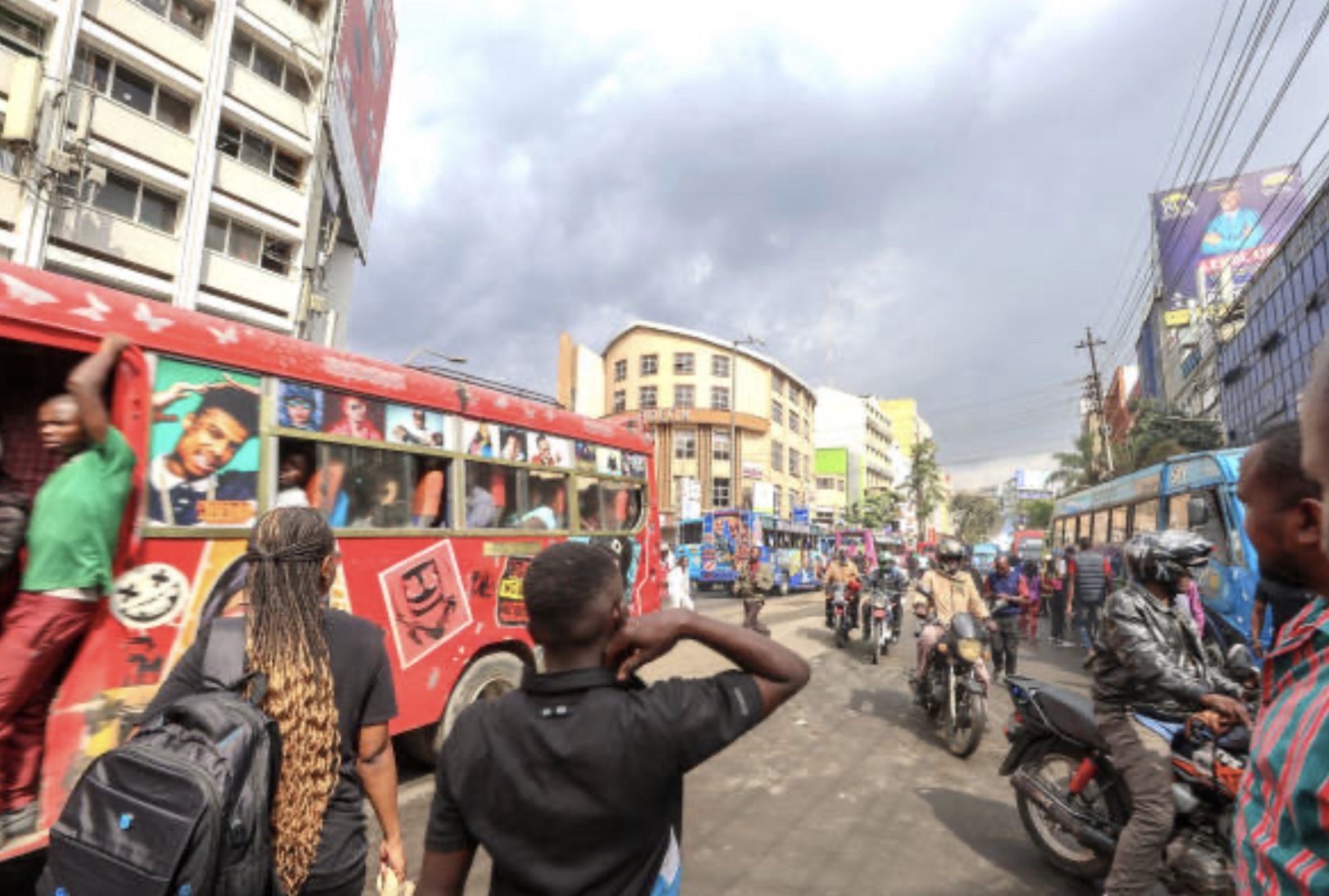
Today, Nairobi ranks as a bustling, modern capital full of high-rise buildings, traffic, businesses, restaurants and more than enough activity to remind me that I have not yet reached the African wilderness. It is also an important commercial and diplomatic center for East Africa and home to the United Nations’ African headquarters. English and Swahili are the country’s official languages.
Nairobi is a city of roughly 4.4 million people, although that number swells considerably during the day as commuters pour into the city from the surrounding areas. It is Kenya’s political and economic heart – a busy, modern African capital where government, banking, finance, technology, commerce and tourism all converge. A growing technology sector has earned Nairobi the nickname “Silicon Savannah.” Nairobi alone accounts for more than a quarter of Kenya’s total economic output, impressive for a city that began little more than a century ago as a railway camp.
I heard rumors to expect thousands of stray dogs and cats roaming the city. Didn’t see one. I’m sure no animal would survive long in Nairobi’s traffic.
What to Do When Here – Or What would a Nairobian Do?
As is typical of an organized tour, we won’t be spending much time in the gateway city. In fact, this tour has planned nothing in Nairobi. Apparently, we are expected to arrive, sleep, and immediately head for the wildlife. Fair enough – but I have a few hours to fill, so I chose a couple places to explore on my own.
My lodging, the Sarova Stanley, sits in the center of downtown, making it a convenient base for some wandering. Nearby is the Kenya National Archives, which seems like a good place to get a little history before I go looking for the present.
Kenya National Archives
Once on the streets, I understand why we quickly depart Nairobi for wild Africa. The streets are colorful but crowded, noisy, and chaotic. Vibrantly painted buses rumble everywhere, by the dozens. There are cars. Mostly shiny and undented, always a good sign. Sidewalks and street crossings require close attention, trash seems ubiquitous. Motorcycles zoom in all directions. Locals walk wherever they desire. I gird my loins and face pedestrian life in Nairobi.
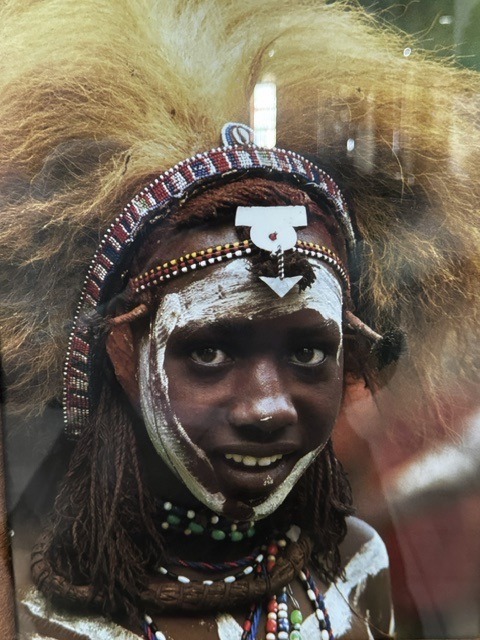
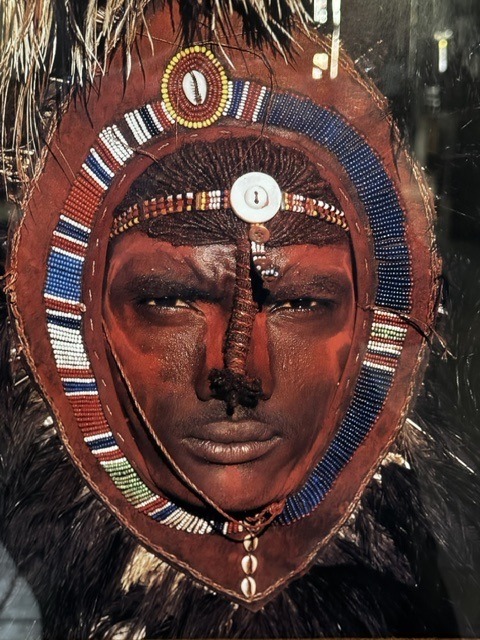
The Archives represents the largest Pan-African art gallery in Africa and contains ancient art collections from different regions and communities of Africa. It houses a vast collection of public records, historical documents, and an extensive gallery of African art and cultural artifacts. Of interest are the colonial and post-colonial records and photo exhibits. The fascinating Murumbi Gallery, named after Kenya’s second vice-president Joseph Murumbi, contains a wonderful collection of cultural items, African artifacts, crafts and art.
The building, built in 1931, served as the headquarters of the National Bank of India, later known as Grindlays Bank. It’s in need of updating and some lighting, but the small gallery is worth the 200 KSh entrance fee.
An interesting historical side note: the gallery was created by an Act of Parliament in 1965. Archivists feared that Murumbi, a big art collector, would sell his collections to a foreign entity. Instead, they forced Murumbi to sell his artifacts to the government of Kenya. Murumbi eventually sold his Muthaiga home and much of his extraordinary African collection to the Kenyan government at a concessionary price – a fraction of what foreign buyers had offered – on the understanding it would remain in Kenya and his home would become an institute of African studies.
Nairobi Markets
Just a couple blocks away sits the Maasai Market, where stalls overflow with beadwork, jewelry, textiles, carvings, and the usual assortment of things I absolutely do not need but will nevertheless be encouraged to buy.
But I had no need to wend my way through chaotic streets to get the full impact of markets. Crossing streets are true life experiences. The din of vendors is heard everywhere. Walking around the junction of Kenyatta and Kimathi streets represents playing dodgeball with one’s body.
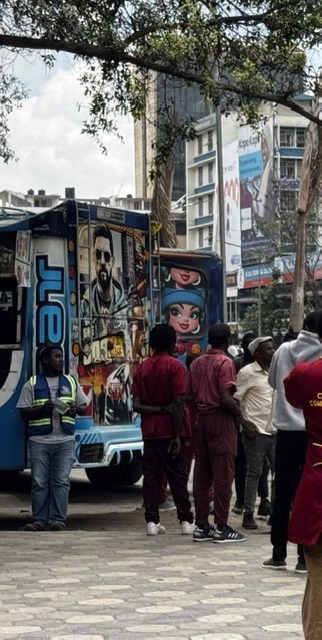
While security, and even military with powerful ARs, stand everywhere, the biggest danger is being run over by a colorful matatu.
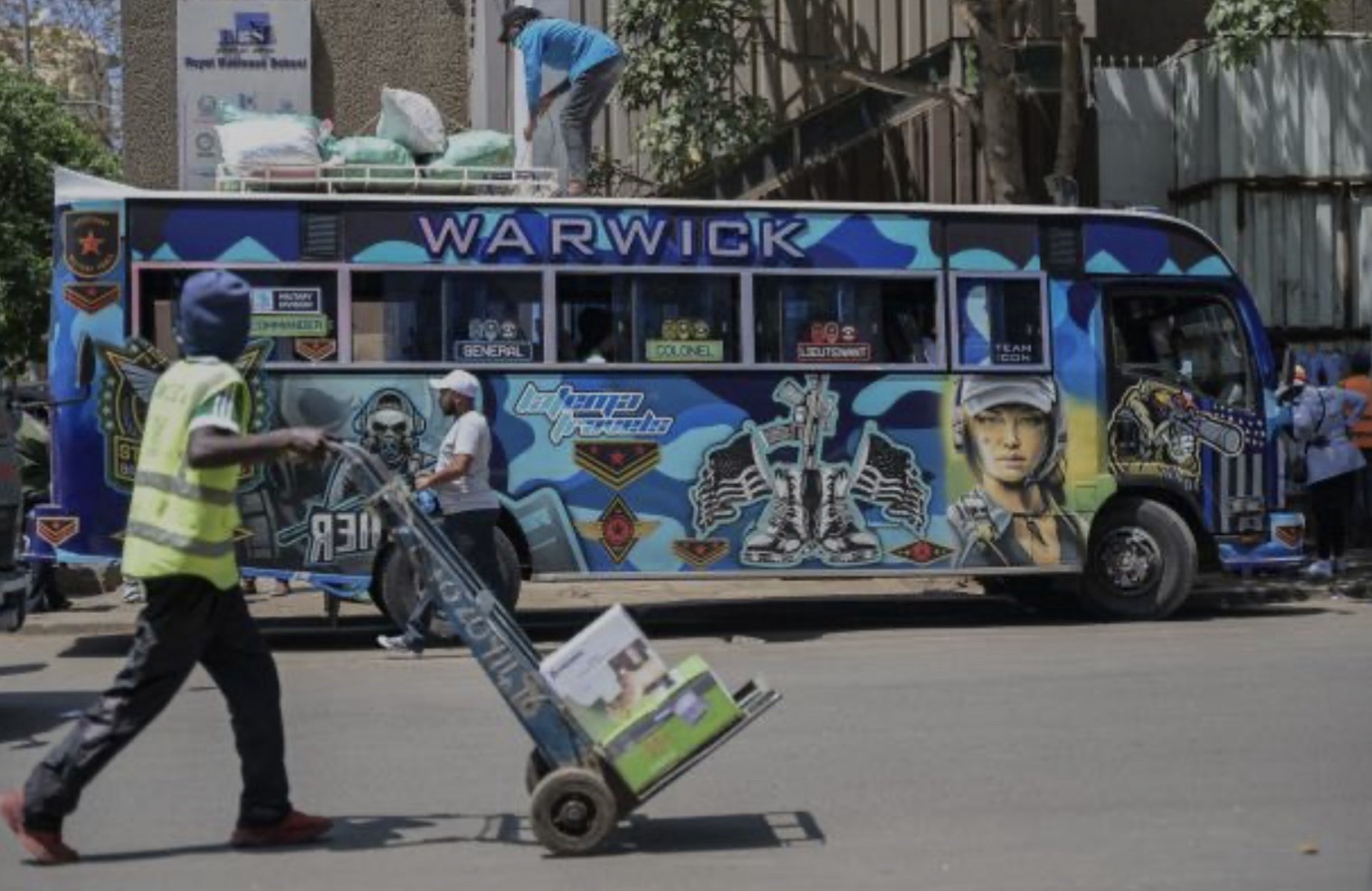
The real question: how long will I last on these streets?
Not long. Noise, heat and humidity, noise and no desire to shop, I head back to my hotel. Arriving in one unbruised piece, I journey to the 5th floor bar for a cold Tucker Lager.
Welcome Dinner
In the early evening, I join the tour group with whom I will be spending, in close proximity, the next 19 days traveling Kenya, Tanzania and Zanzibar. For group travel, I almost always travel with ElderTreks out of Toronto, Canada. Excellent company which offers educational and diverse itineraries, small groups, and knowledgeable leaders and guides.
This group of 12 consists of 5 couples and 2 single ladies representing 5 states. Sadly, not one Canadian. Ages ranged from 59 to 82, with many proud ElderTrek veterans. ElderTrek groups represent seasoned travelers, and, hopefully, this one will be no exception.
I also meet my roomie. I have always chosen to share a room when traveling with ElderTreks. It has never gone wrong. Some roommates have slipped from memory, most are still friends who I travel with occasionally. Being accomplished travelers, each group member knows how to share, cooperate, and are interested in why we are here: to learn and experience.
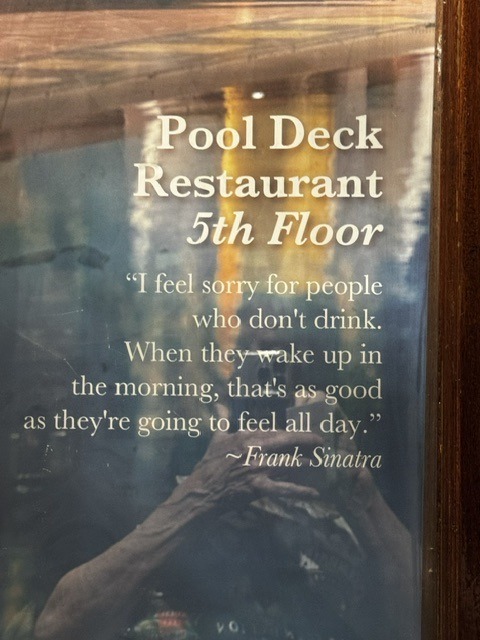
We gather for a drink and dinner. During dinner, we swap tidbits. Conversation, predictably, centers on travel – always travel.
At first, one practices the art of cautious exuberance – smiling warmly while mentally cataloging 11 strangers I am about to see more than some family members. Fellow adventurers or certified nuts? There always exists one who ultimately stress-tests the group’s collective patience. Who will be the most interesting? The most unbearable? More importantly, I always promise myself NOT to be the royal pain in the ass remembered long after the monuments fade.
Politics always sneaks in later, once one feels safer.
Fearless Leader
Our leader is Allen Marti. With a degree in Wildlife Biology from College of African Wildlife Management, Allen will prove to be a real asset as we tour East Africa. After introductions, we learn about our upcoming trip. For me, it comes down to what time do I have to be on the bus. I travel light so no concern on bags out; I could care less about the endless early morning breakfasts. I am fast in the bathroom, hope for coffee makers in the room, and can set a phone alarm. All good to go.
I look forward to seeing the renowned savannahs of Africa. Its animals promise to be star attractions, along with the night skies. Meeting the Maasai represents a new experience. Learning of conservation efforts, cultural differences, new foods and crafts all top my list of things to experience.
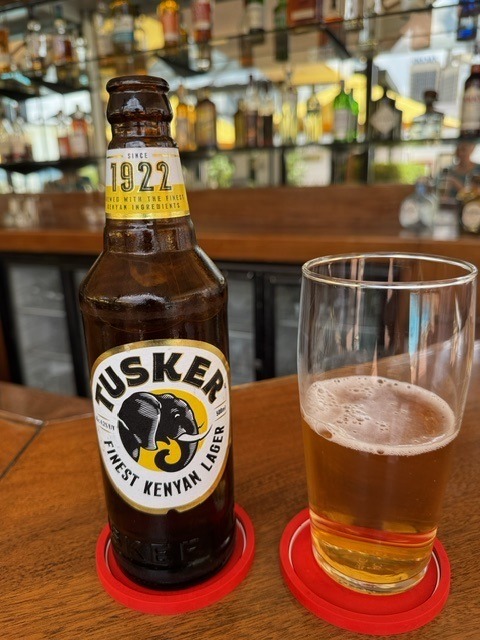
I sip my Tusker, happily forfeit my independence and decision-making to our leader, and look forward to my days in the bush.

0 Comments