7-8 Nov 2026
I never like reading in our itinerary: “We have an early morning start to the day as we drive….” Doesn’t bode well. While I wake early, I see no reason for serious mobility before 9 or so. I want a cup of coffee in bed. For me, bacon and eggs are a disgusting thought if smelled before nightfall.
Where a Lake Meets the People.
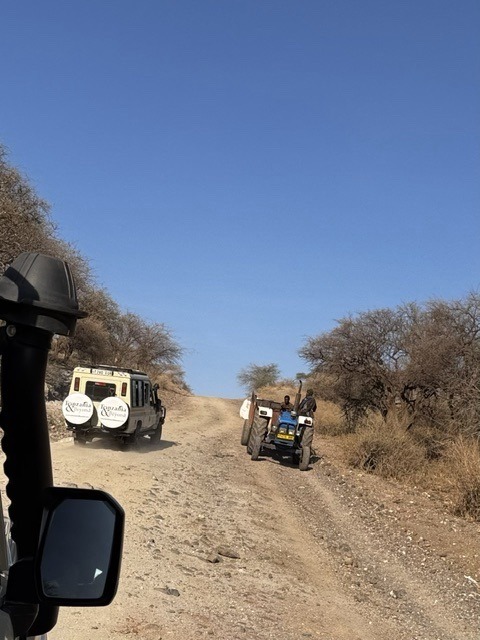
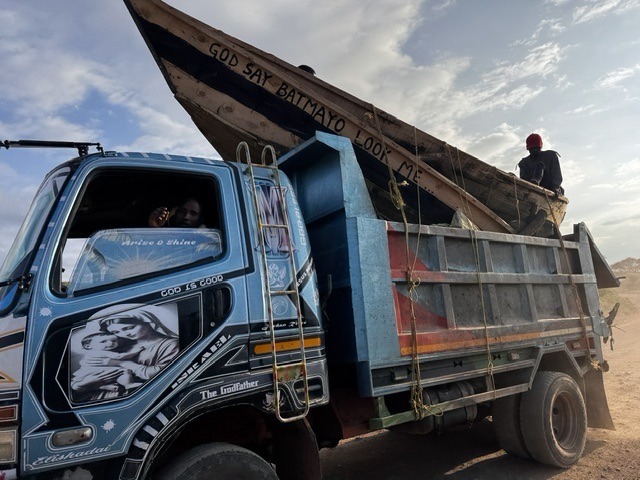
We drive to Lake Eyasi, a remote, shallow salt-lake tucked into the Great Rift Valley of northern Tanzania. It is both a fragile natural habitat and a landscape shaped by the people who live around it. Unlike a great permanent lake, Eyasi’s shape comes from its seasons.
During the rains, water spreads across its basin and draws an extraordinary variety of birds – flamingos, pelicans, storks, spoonbills, avocets and other waterbirds. Catfish and lungfish also occur in the lake and its feeder streams.
There exists no outlet, so water that arrives during the rainy season eventually evaporates, leaving behind salts and minerals. Therefore, as the dry season takes hold, the lake retreats, leaving behind shimmering salt flats and muddy shallows.
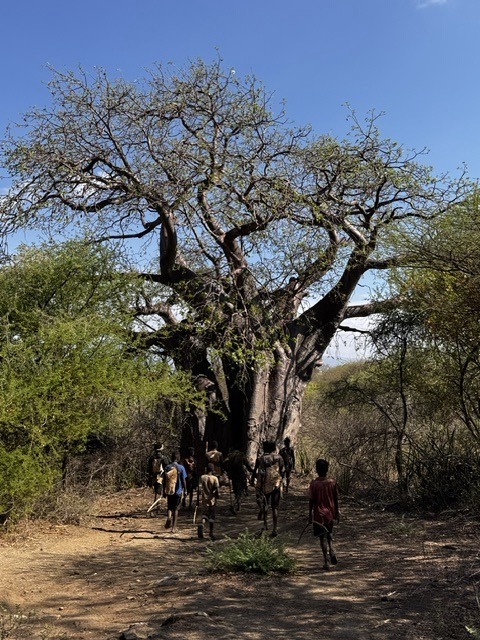
Around the shoreline the habitat changes into dry woodland and scrub. Acacia, Commiphora, baobab and other drought-tolerant trees grow. This surrounding bush is just as important to the local people as the lake itself. The harsh landscape sustains people whose lives have long been adapted to its seasons.
Hadzabe and Their Life Around Lake Eyasi
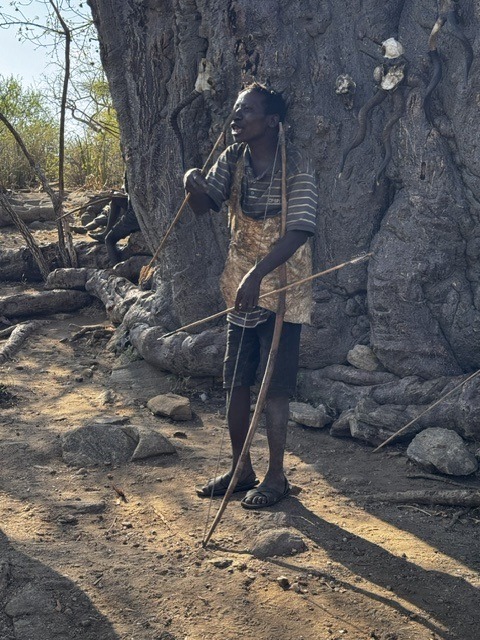
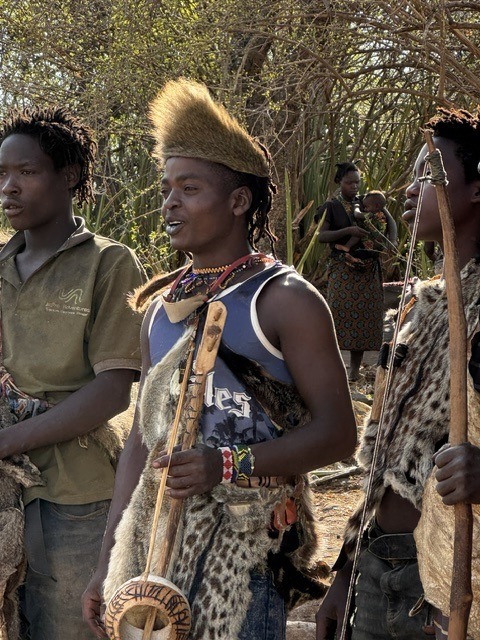
The Hadzabe represent one of Tanzania’s oldest hunter-gatherer communities. Related to the San and Kung Bushmen of the Kalahari, the Hadzabe are a fascinating, traditional people. They gather wild foods, honey and roots, and hunt in the surrounding bush.
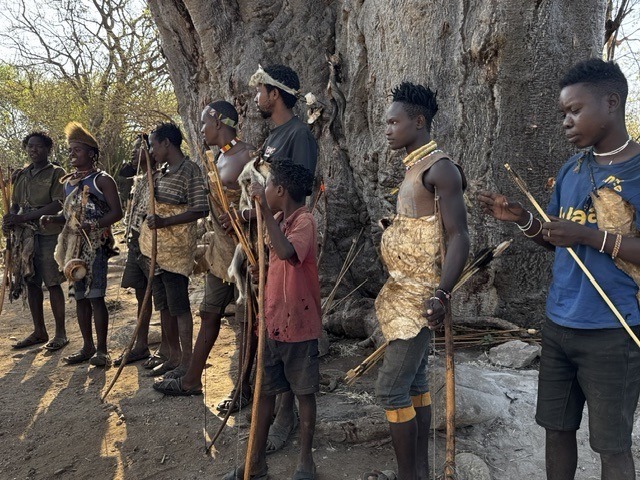
Their language, Hadzane, is distinctive and famous for its click consonants. Estimates of their population vary, but only a few thousand people identify as Hadza. They live primarily around Lake Eyasi and in the surrounding dry woodland. They live a mobile life with simple wood and leaf shelters or in caves in poor weather.
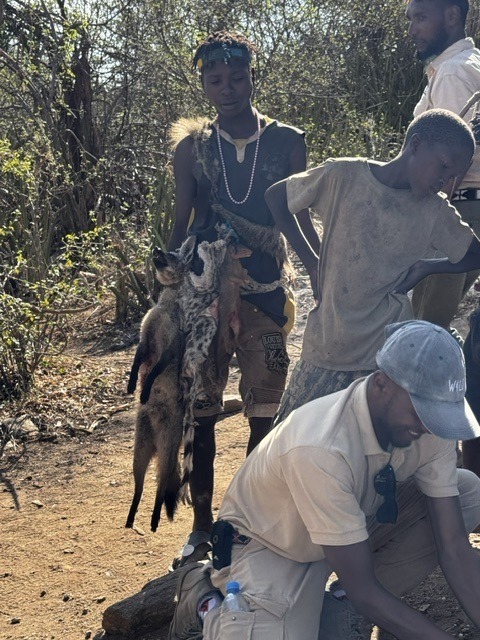
Young hunter returning with morning kills – Bat-eared Fox and Dwarf Mongoose. Shot with bow and arrows. Hadzabe eat everything but hyenas, snakes and termites.
Traditionally, the Hadza have no chiefs or formal political hierarchy in the way many neighboring societies do. They live in relatively small, flexible groups, and people can move between groups. Decisions tend to be made through discussion and consensus rather than imposed by a leader. There is also a strong cultural emphasis on sharing food, particularly hunted meat, rather than accumulating individual wealth.
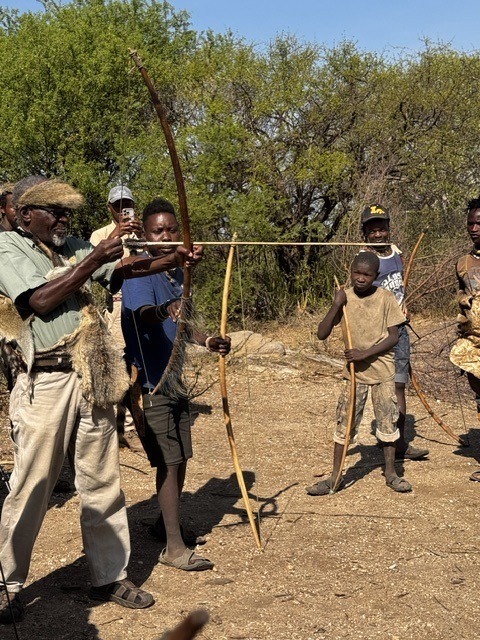
The Hadzabe represent people whose knowledge and traditions developed over thousands of years in this very landscape. Meanwhile, that landscape itself changes around them. Their knowledge of the land is remarkable. Men traditionally hunt with bows and arrows, sometimes pursuing small game and larger animals. Both men and women gather wild foods.
Women are particularly important gatherers of berries, tubers and other plants. Honey is especially prized. Hadza honey gathering involves climbing tall trees to reach wild bee colonies. During different seasons they pack up their few belongings and move to areas where food and water are available.
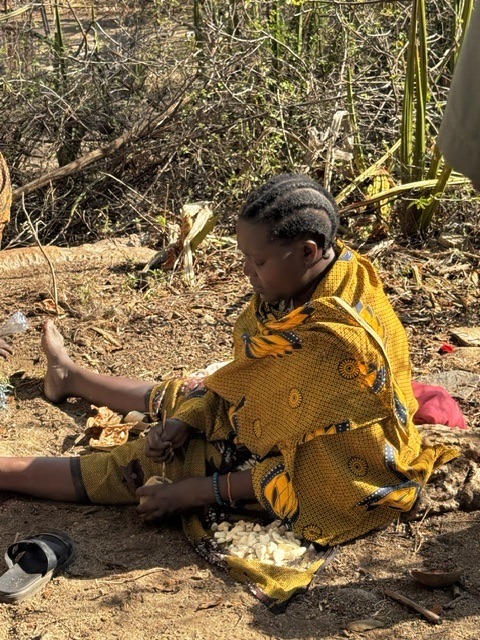
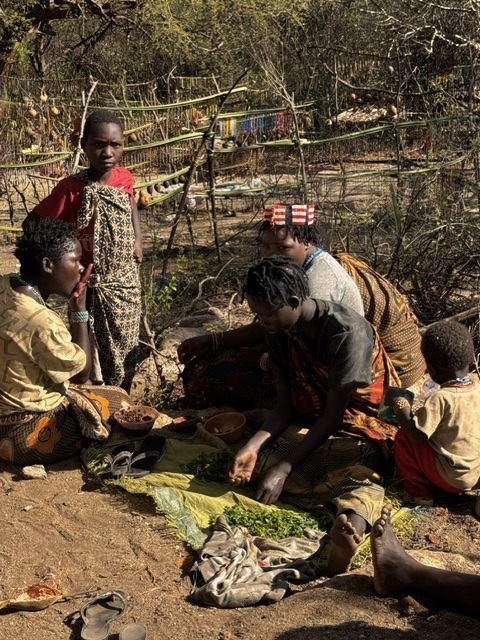
However, the Hadza also face modern pressures. Loss of access to traditional hunting and gathering territory, livestock grazing, agriculture, and changing economic conditions create difficulties for maintaining their lifestyle. Some Hadza now combine traditional activities with wage labor, trading, or income from tourism. Not only wildlife but people must adapt in a place where water can be abundant one season and scarce the next.
There thrives a vast birding population here. More than 140 bird species live within the broader Lake Eyasi area. The most spectacular birds are likely to be the greater and lesser flamingos, gathered here by the thousands. They share the shallows with pelicans, spoonbills, storks, herons and gulls. Raptors such as fish eagles soar above. Many of these species represent the Hadzabe’s food supply.
The Many Inhabitants of Lake Eyasi
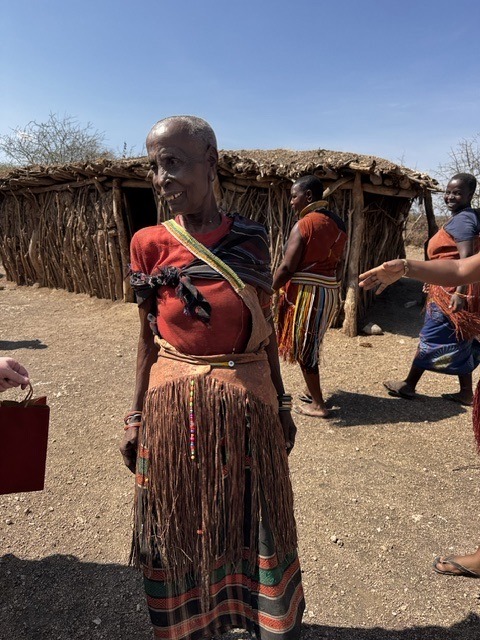
The Hadzabe represent only part of the inhabitants around the lake. Nearby, the Datoga peoples are pastoralists, raising cattle, goats and sheep. Datoga blacksmiths transform scrap metal into knives, tools, arrowheads and jewelry to trade and sell. There exists few accurate population numbers as a census does not routinely provide detailed ethnic counts.
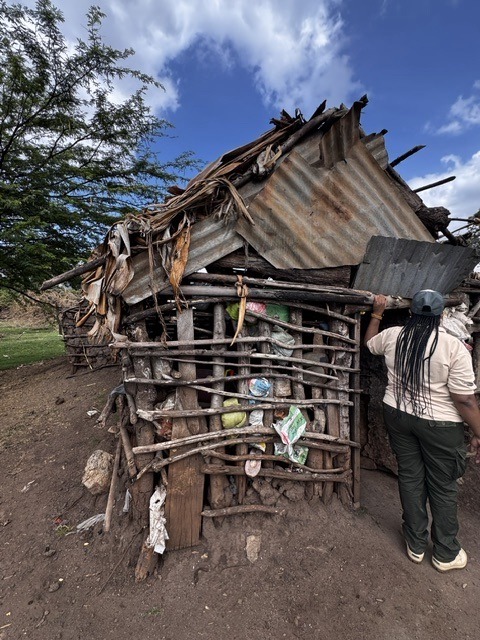
Do they all get along? What of limited resources and space and modern pressures? The Datoga and Hadzabe live side by side, but historically their relationship has sometimes been tense. They compete for access to land and natural resources, particularly as pastoralists need grazing land and the Hadzabe need access to their traditional hunting and gathering areas.
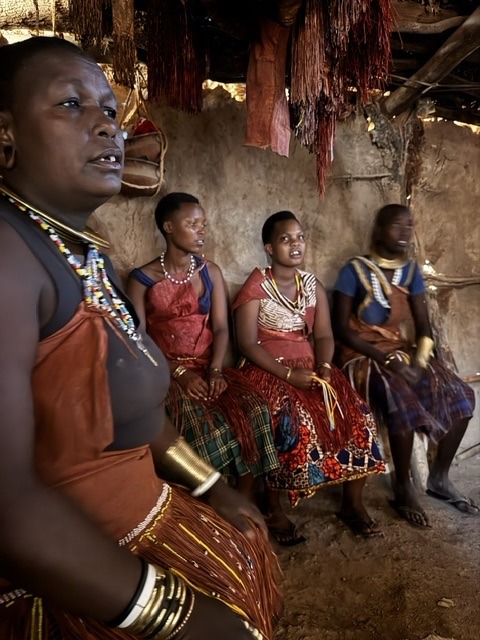
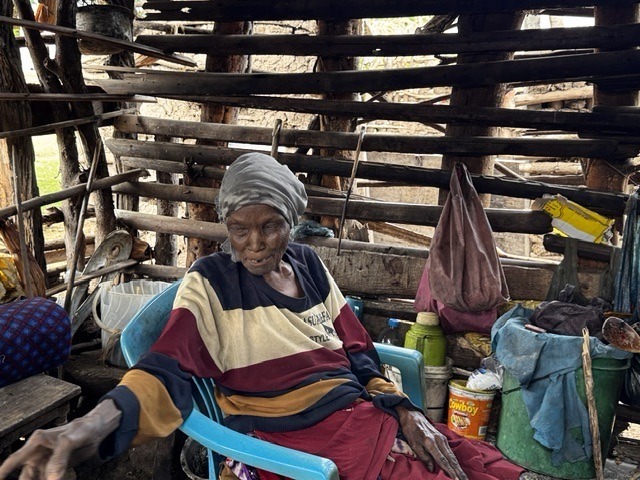
Women make jewelry for trading and sales. Clearly, this is a more prosperous village than the Hadzabe.
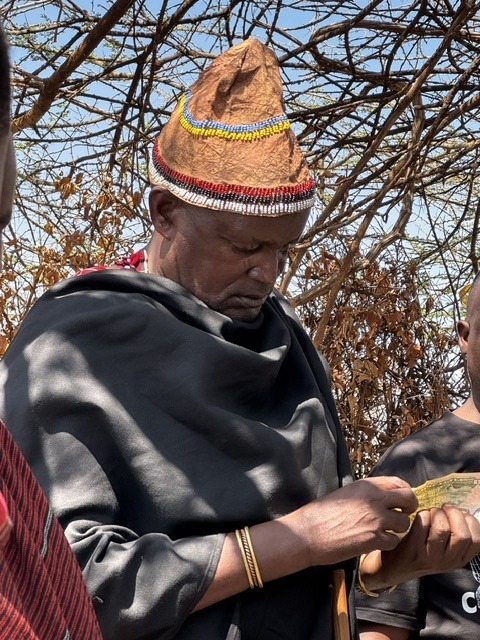
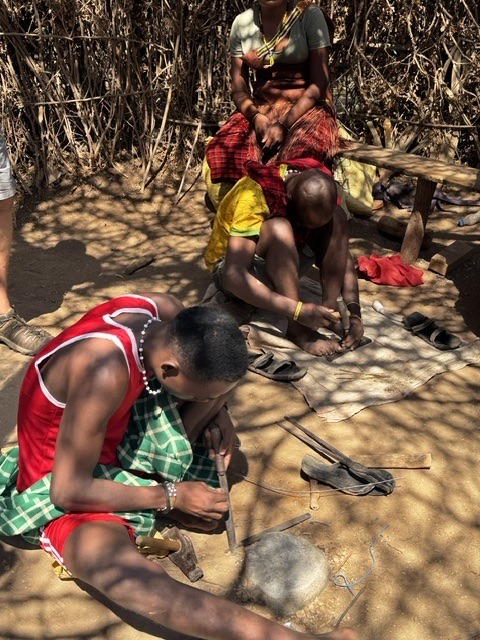
Chief (above left) collecting tourist cash for jewelry made by his five wives. Making of arrowheads which they trade with the Hadzabe for meat.
Around Lake Eyasi and its villages, peoples like the Hadsabe, Datoga, Iraqw farmers, Maasai pastoralists, Sukuma and other communities have had complicated relationships. Very different cultures live side by side – one traditionally dependent on hunting and gathering, others on livestock – sharing the same increasingly precious land and resources. Their history includes conflict, but also trade, adaptation and increasingly deliberate efforts to coexist.
Who Knew There Were 32 Kinds of Bananas?
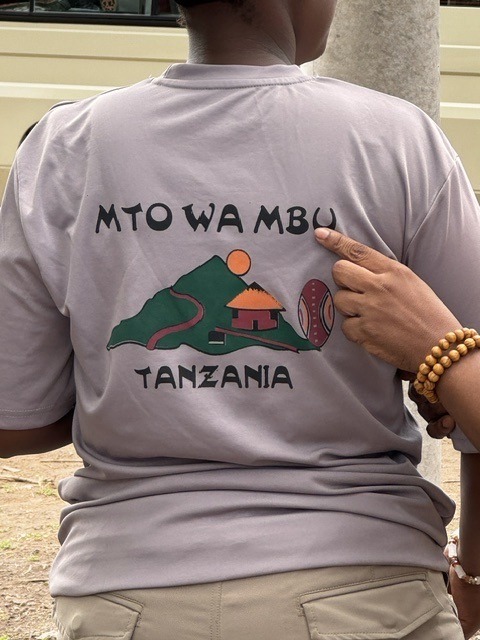
Tanzania is home to more than 120 different ethnic groups, and one of the best places to get a glimpse of that extraordinary diversity is Mto wa Mbu, a lively little town at the foot of the Great Rift Valley.
Here, people from many different backgrounds have settled side by side, bringing their languages, foods, skills, customs and stories with them.
Rather than simply looking at a collection of tribes, we observe how cultures mix and adapt in everyday life. Who farms the rice? What part does the banana play? Who makes the beautiful baskets or carves the wooden figures? Paints all those pictures?
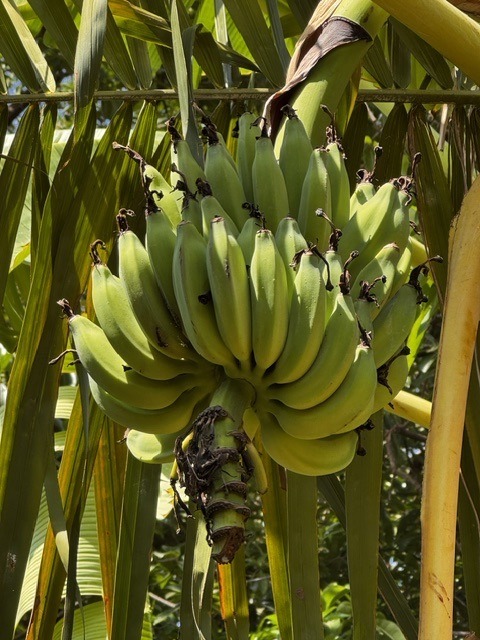
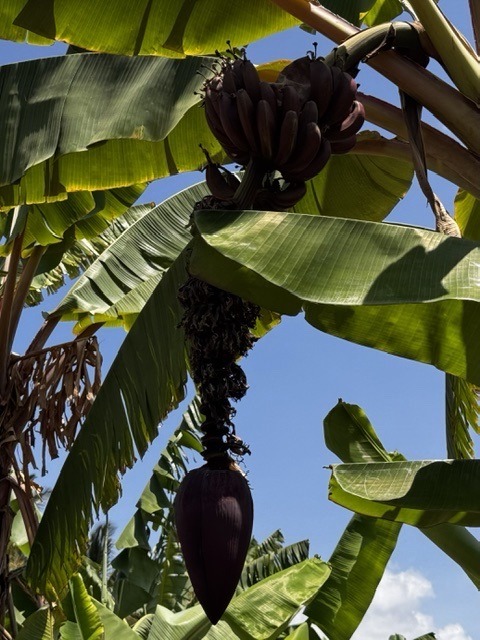
Mto wa Mbu boasts about its 32 varieties of bananas, each with its own personality and purpose. Who grows these bananas? Some are eaten as fruit, others are cooked, and some are destined for something altogether more festive: banana beer.
Did I Say Banana Beer?
Who brews banana beer? In Tanzania, a traditional banana beer is called mbege. Brewed from ripe bananas and finger millet, a small, nutritious grain cultivated in Africa for thousands of years. In Tanzania this beer is commonly called ulezi. Bananas cook and ferment while preparing the millet; the two are then combined and allowed to ferment.
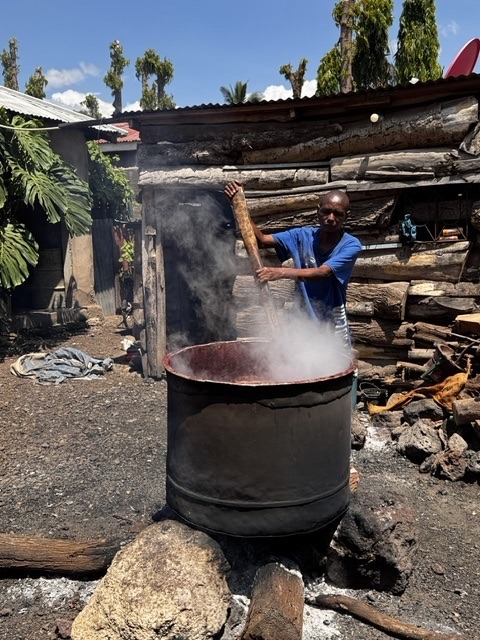
I tasted both the banana beer and banana wine. The beer averages about 1.2-1.5% alcohol and drank warm. It has a very short shelf life of only 2 days. Meanwhile, the wine is 10% alcohol. It’s also short lived at just a few months. Kids can drink the beer but not the wine until age 18.
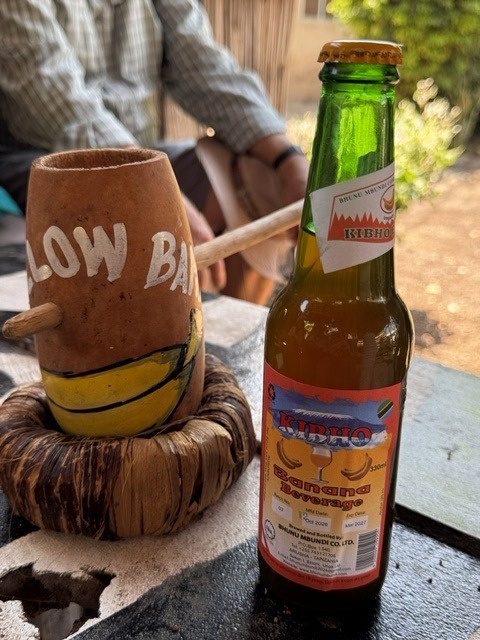
It isn’t really like a sweet fruit beer one might buy in an American craft brewery. Traditional mbege is a cloudy, mildly alcoholic, tart drink, and its character depends on the bananas, fermentation and the brewer’s particular method. Alcohol levels can rise to around 3–4% with longer fermentation.
Ulezi represents a drink with a long history and an important place in local social life. I suspect that after seeing 32 kinds of bananas, I may never look at the humble banana in quite the same way again. I raise my glass to the ingenuity of Tanzanian banana farmers! But think I’ll do it with a Serengeti.
Honest critique: the beer is bearable , barely. The wine doesn’t come close to drinkable. To me, its taste was similar to rice vinegar.
No Big Five – Just Big Culture
As we walk through banana orchards and farms, peoples’ back yards and fields, we see life proceed as usual. Hoeing, weeding, planting, trimming, and picking crops. Everything by hand.
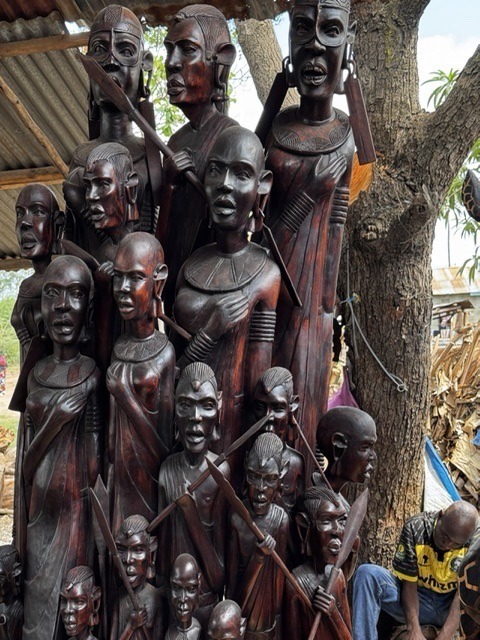
Also on our walk, we passed thru a large area for painters and sculptures. The wood working is excellent in Tanzania. They carve both rosewood and ebony. The paintings a variety of subjects and color.
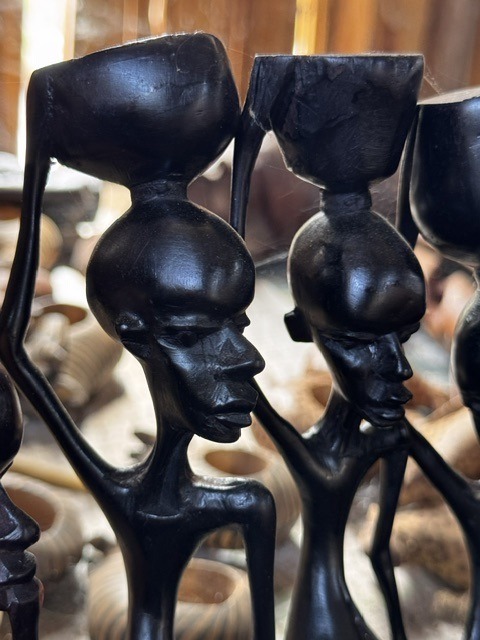
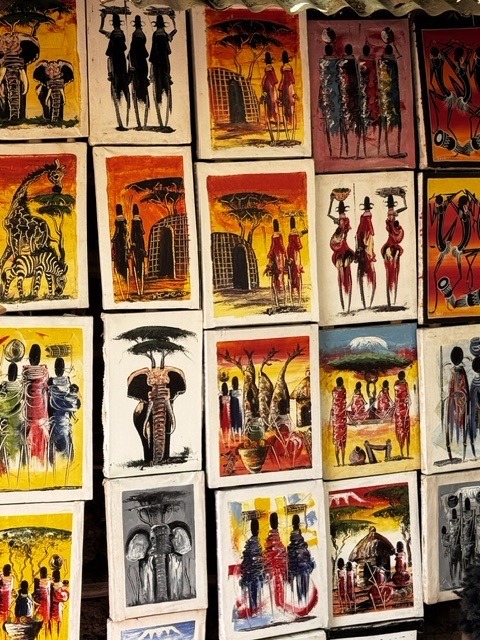
Mto wa Mbu may be called Mosquito River, but I suspect I’ll remember it for something much more appealing: a wonderfully busy, colorful and very human corner of Tanzania.
A Peek at People – Not a Lion in Sight
The day has been a welcome change from wild game drives – lions and elephants and zebras, oh my! Activities included time shared with local tribal craftsmen, observing some fantastic wood carvers, visiting farms, learning about brewing methods, and visiting a huge shopping market to learn about the rarity of tanzanite gems.
Tanzanite is mined in only one place on Earth – a small 8-square-mile area in the hills near Mount Kilimanjaro. Deep, vivid royal blue or rich blue-violet stones are the most prized and valuable. Lighter lavender or pale purple stones are common and less expensive.
Note: Okay, I admit I stretch the truth when I say Safariland Tanzania shopping market represented a welcome change. Although the crafts are mostly mass market, some quite expensive, many are beautiful examples of wood carving. Whatever you want, you’ll find it here.
Among the Coffee Beans
Returning to Acacia Farm with its blooming coffee plants, we enjoy time to gather around for a relaxing cocktail and shared camaraderie. By now, we feel comfortable with each other and generally know those travelers we share things in common with. And travel stories abound!

And, home for huge garden escargot!


0 Comments