23 May 2026
I had the pleasure to host several foreign students back in the ole’ Bakersfield days. I always felt a little sorry for them as they arrived at the airport and for the first time in their young lives experienced 112° August heat. On my part, apologies were perfuse with the explanation that “yes, but it’s a dry heat.” They were still red in the face and broiling.
After almost a year of sharing my home, meals, pets, exploring California, and life in general, a bond forms. She doesn’t officially become one’s daughter (parents would object), but she is part of the family. I always refer to them as my daughters. Because, that is the way it feels.
Over the years, I have visited them and their parents. I’ve met up with them around the world. It feels like visiting family; it just takes longer to get there.
Didi
In the spring of 1987, Didi arrived later in the school year. The exchange organization encouraged a move to my home.
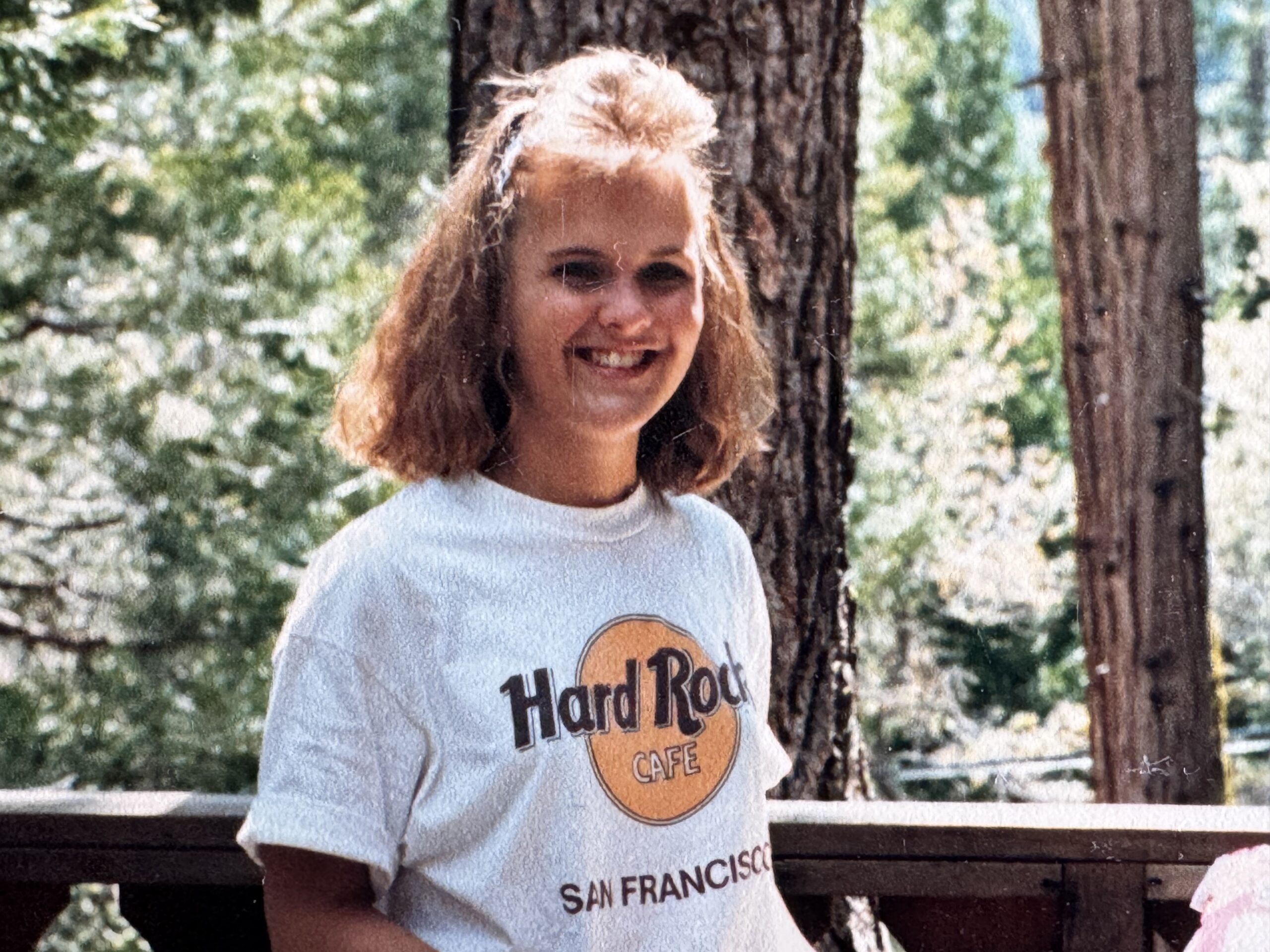
We only had about 10 weeks together. However, those weeks resulted in a firm bond. I traveled a lot and couldn’t wait to share some experiences with Didi.
Almost 40 years have flown by since she arrived at my door. Didi is now a lawyer living east of Hamburg. She has two children and remains as creative and energetic as when she was a teenager. We met up over the years in Germany, Switzerland, and France. Memorable times were spent in Paris during the 1989 Tricentennial celebrations, during a 1992 Family Reunion in Riehen which also included other foreign students, and in 1995 when Didi took me into the budding underground nightlife of East Berlin. In 2021, she interpreted for me as I visited German cousins living in Celle, Germany.
Her parents visited me in California and I have visited them in Germany. One of my most memorable rides ever was her father, a federal judge, speeding us to Hamburg’s Hauptbahnhof to catch our train to Paris. He had the privilege of parking where ever he wanted. We boarded as the train closed its doors to depart.
This year, we meet up in Berlin.
Maria
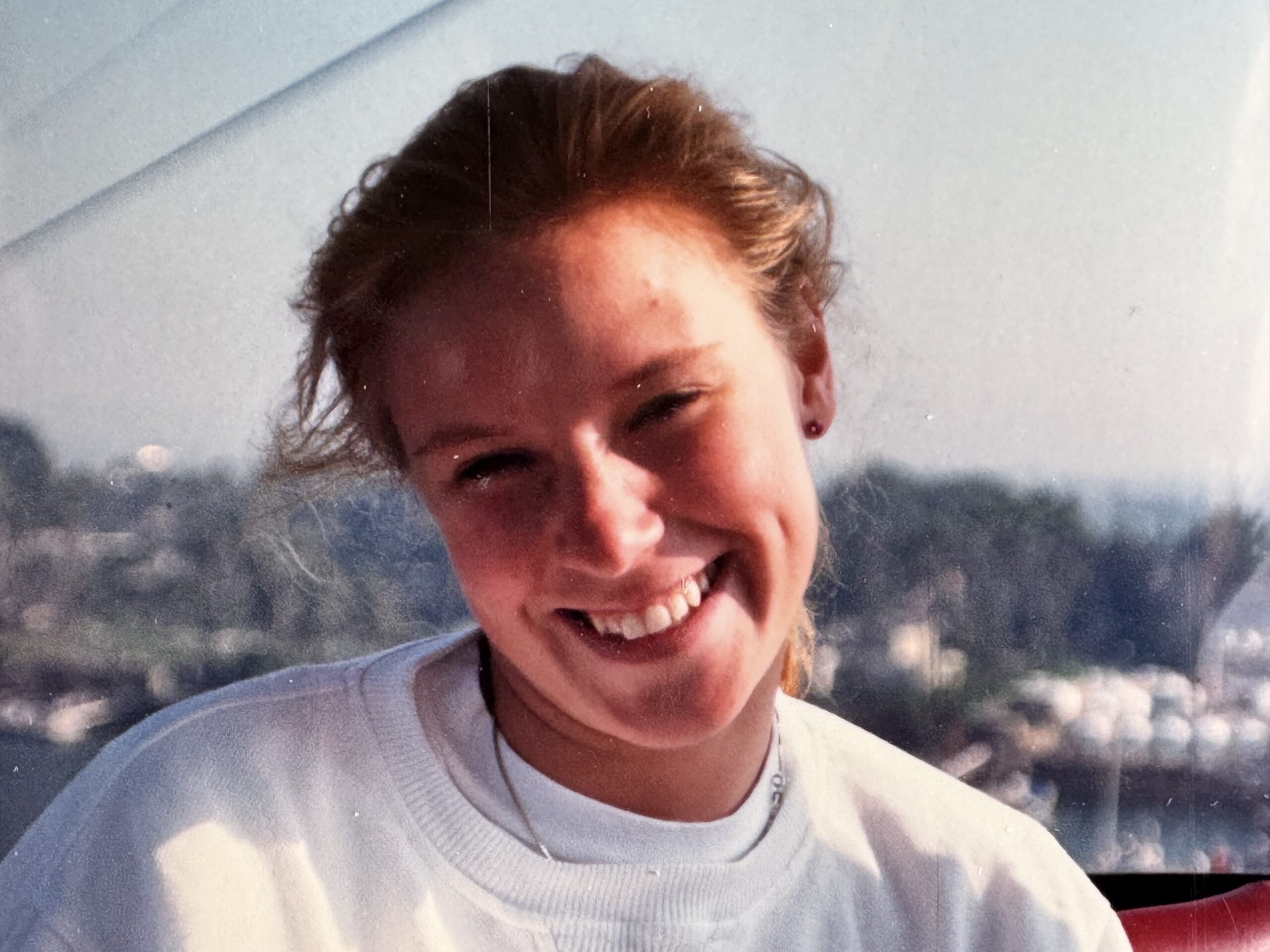
In the years 1987- 1988, Maria arrived from Sweden. It had to be at least 40° hotter when her feet touched the tarmac in Bakersfield. During her stay, we managed to enjoy many fun events and travel. From deep sea fishing to Civil War reenactments, from San Francisco to Venice Beach, there always were things to do and see.
Some 39 years later, Maria is the mother of two fine young men, works in the social services field, and enjoys the challenge of hiking. Recently, Maria backpacked the Camino De Santiago. She has visited me in California and I have traveled to Sweden to visit her and her parents. This year, I once again fly into Sweden for a few days of sharing old memories and making new ones.
Beatrice
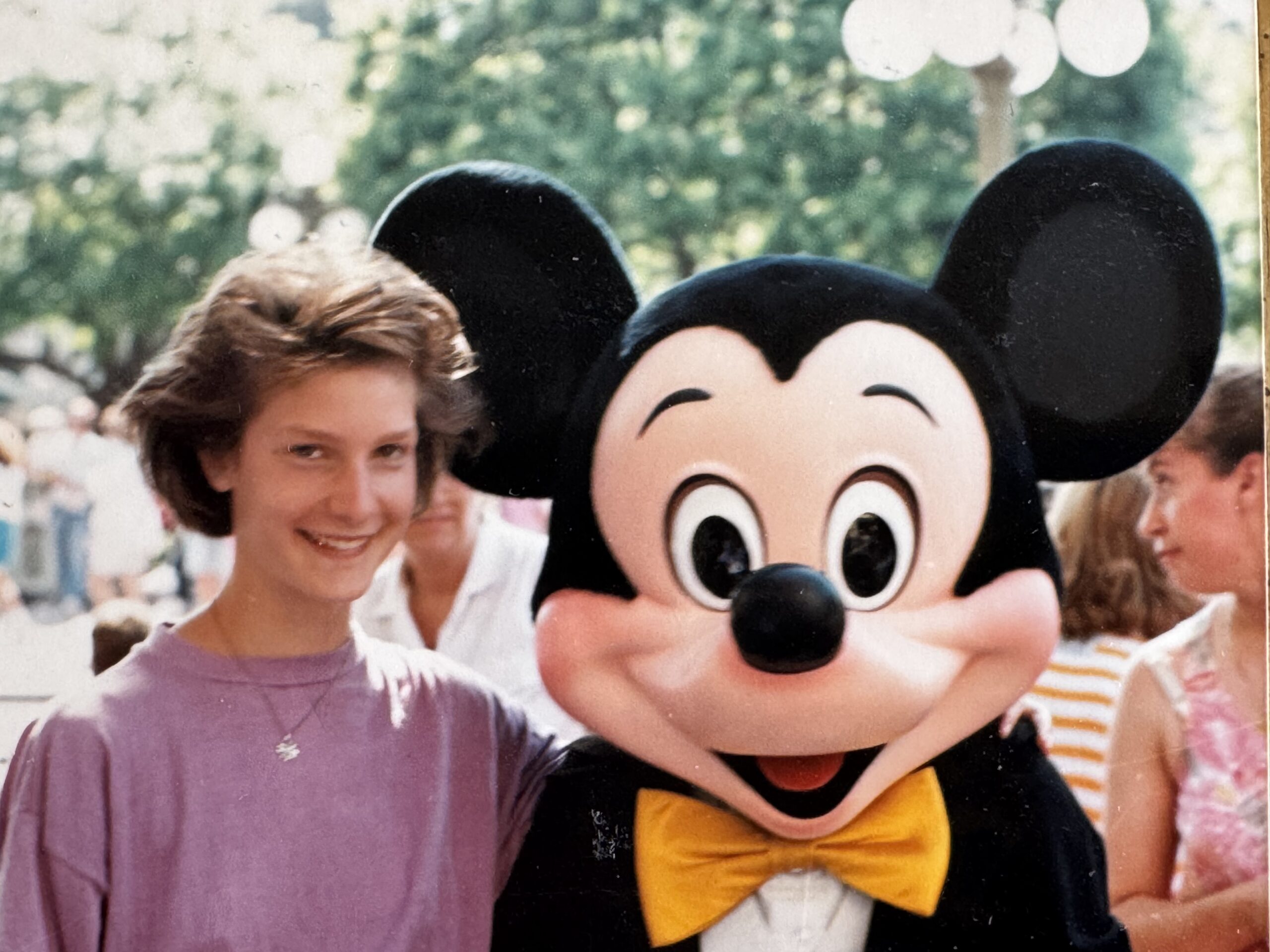
In 1989-1990, Beatrice flew in from Switzerland. Probably another big temperature challenge as she arrived during Bakersfield’s August heat. Bea was the youngest of the girls, just 16. Even at that age, she was politically and environmentally aware.
She had to have been horrified by this wasteful and unwoke American. In fact, one of her favorite sayings seemed to be You crazy Americans. She learned, as all foreign students do, that America is not what is seen in television sit-coms and cop shows.
Since 1990, she has become a language teacher in Lausanne, has a gorgeous apartment overlooking Lake Geneva, and remains deeply committed to meditation. I have visited her and her parents on multiple occasions, traveled with her mother through a Siberian winter, and have acquired the most wonderful recipe for oil and vinegar dressing from her father. Bea and I hiked a bit in Switzerland, met up in Mandalay, Myanmar, and she has visited me in California.
Bea is a real joy to visit. This year, she works on sabbatical in Berlin where I will visit for a few days.
Three Different Cities – All One Name: Berlin
“The real voyage of discovery consists not in seeking new landscapes, but in having new eyes.” — Marcel Proust
I visited East Berlin in 1989 when The Wall stood, dividing a country. A city under austere and gun-toting guards and Soviet control. I returned in 1995 after The Wall had fallen and found soldiers and guns gone, and a struggling gentrification going on with young entrepreneurs laying claim to darken discos and opening clubs. I return in 2026 expecting a totally different Berlin.
“Mr. Gorbachev, tear down this wall!”
Ronald Reagan (1987)
1989 – A City on Edge, Frozen in Division
“The wall will be standing in 50 and even in 100 years.”
— Erich Honecker, Communist Politician (January 1989)
In 1989, East Berlin was still firmly within the grip of the Cold War. The Berlin Wall was not just a structure – it represented a psychological boundary reinforced by watchtowers, floodlights, and armed guards. Soviet influence permeated daily life, a legacy of World War II and the subsequent occupation.
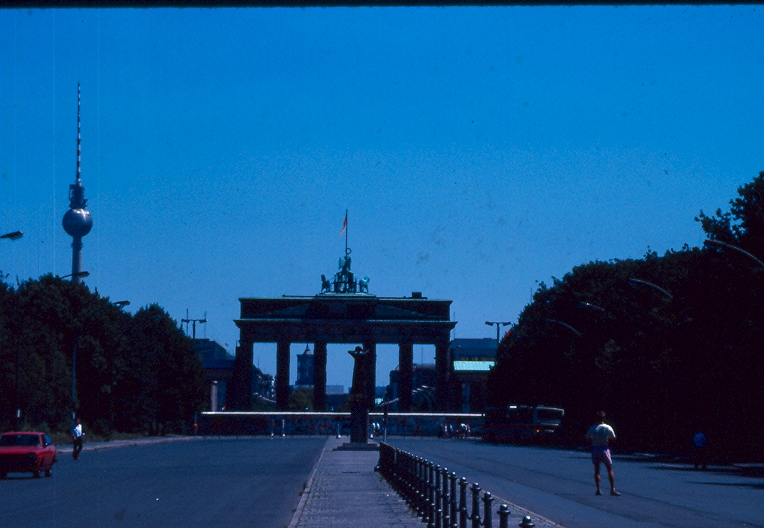
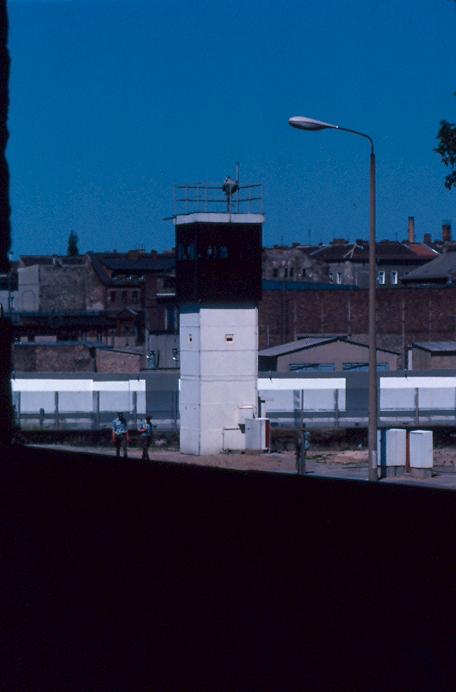
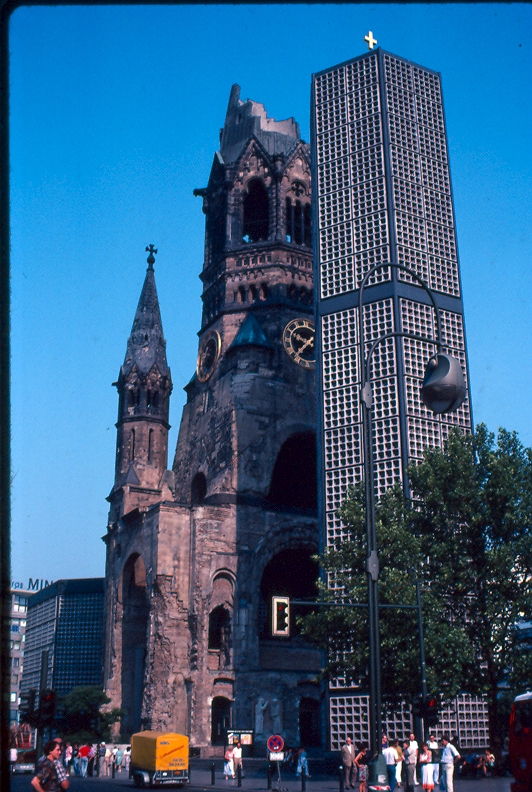
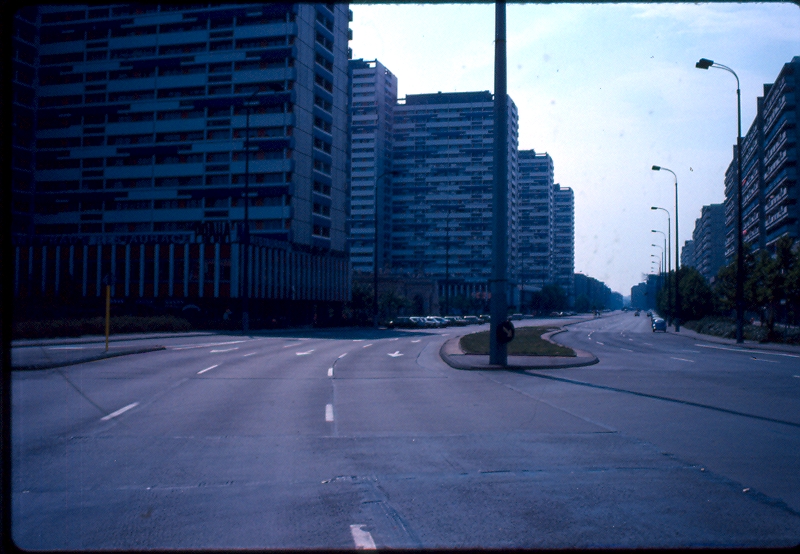
Wide, often empty boulevards; gray apartment blocks; limited shop windows; and a sense of quiet vigilance. The Metro entering the east had blackened windows, controlled stops. Fotografieren verboten! yelled an armed guard. The main boulevard of Unter den Linden was like an empty parking lot. Places like Alexanderplatz felt monumental but subdued. Few cars moved along the highways; few shops offered anything but the barest and blandest of goods. The air carried both resignation and tension. Yet beneath it, history was already shifting. By November, the Fall of the Berlin Wall would crack that system open.
“We are the people!” (Wir sind das Volk!)
— Chanted by East German demonstrators in 1989
On 9 November 1989, my young German exchange daughter watched the fall of the Berlin Wall on US television, heartbroken, that she was not in Germany with her fellow citizens. The pictures of freedom were cause for celebration for everyone, Germans and Americans alike.
1995 – Raw Energy and Reinvention
By 1995, Berlin was in the throes of reinvention. The wall was gone, but its absence created a strange openness both physical and cultural. The transfer of the seat of government from Bonn to Berlin in 1990 solidified the city’s role as the nation’s political heart, bringing high-tech offices and investment. However, the reunification of Germany was still fresh, and the city continue to bare visible scars.
Cranes sat everywhere. Vacant lots gaped where the wall once stood. Bullet-pocked buildings sat next to a few newly painted façades. A few buses and cars moved along the main boulevard of Unter den Linden, now sporadically lined with kiosks selling mementoes.
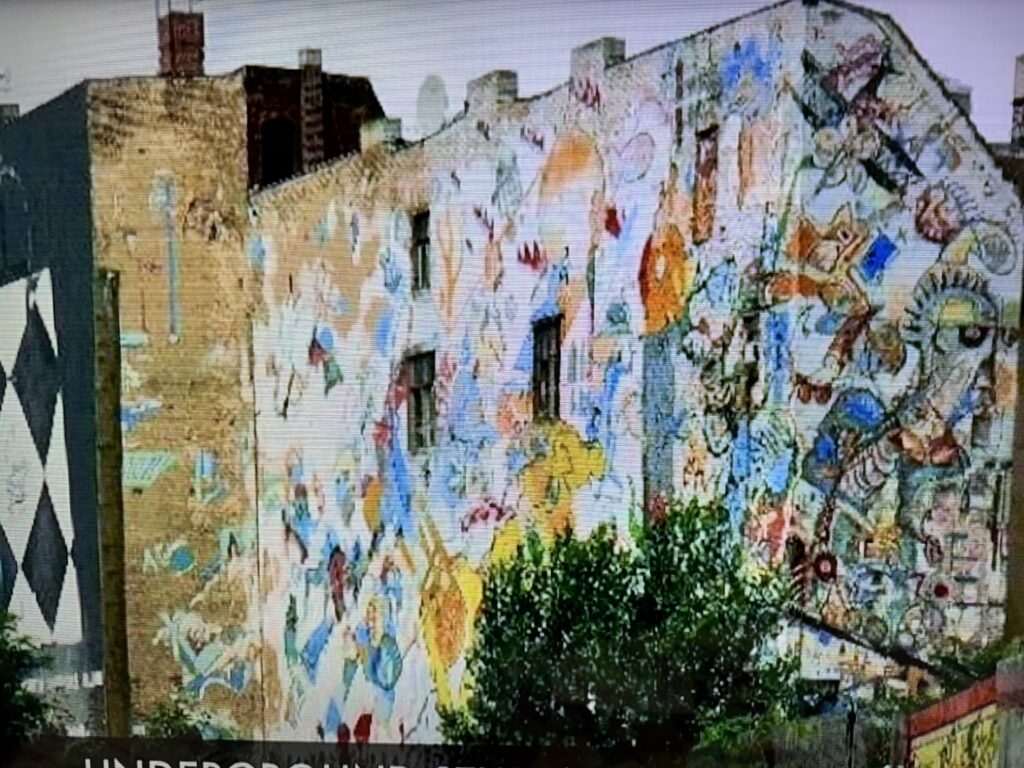
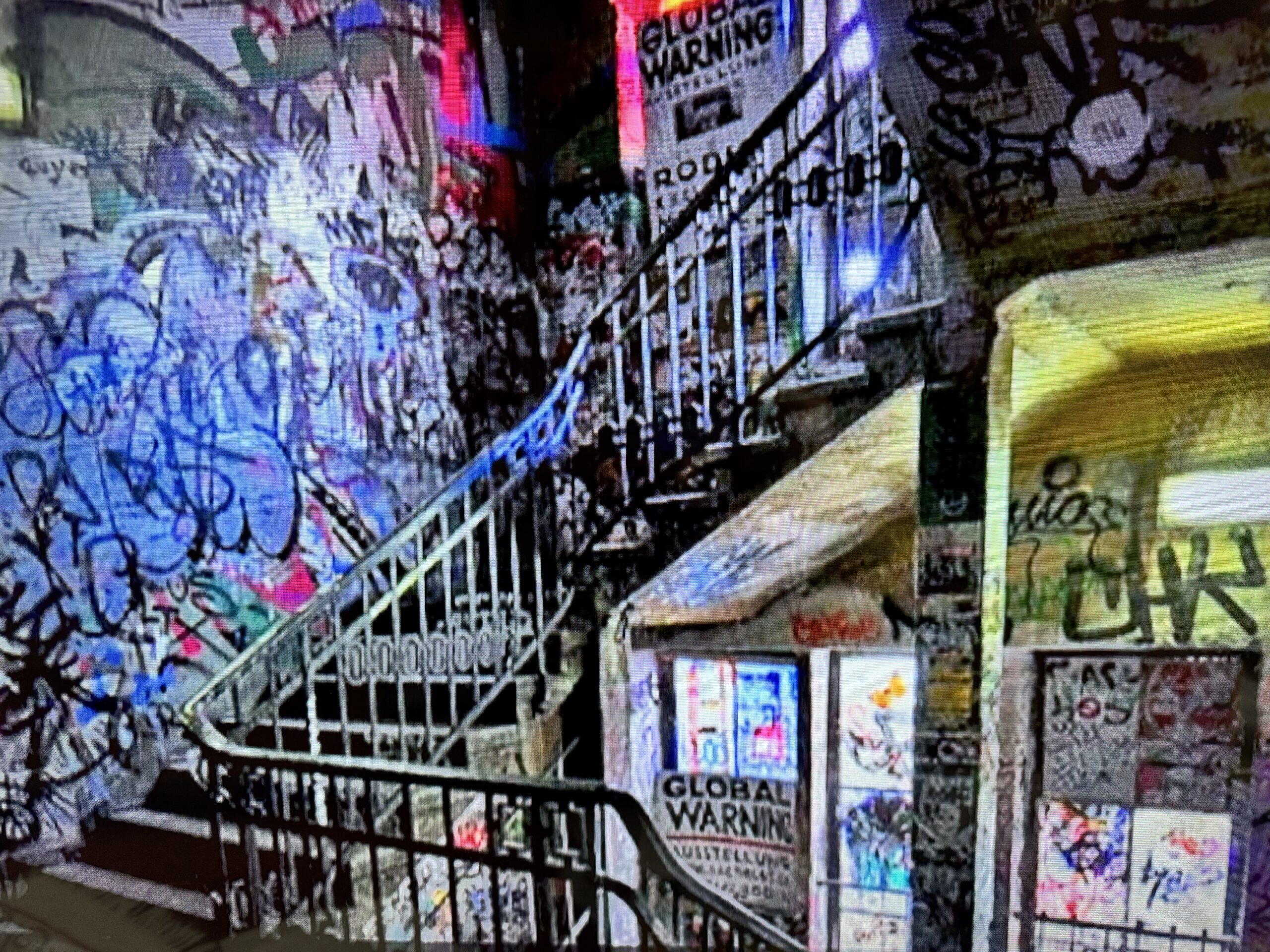
In former East districts, like along Oranienburgerstrasse (above), young artists and entrepreneurs moved into cheap, abandoned spaces. This is when Berlin’s now-famous underground culture took root with illegal raves, makeshift bars, and “darkened discos” in half-ruined buildings. It wasn’t polished, but it was electric and full of experimentation and a sense that anything was possible.
I agree with the writer who described Berlin as “Poor but sexy.” The city faced hardships, the economy was struggling, but the hearts and minds of Berliners were deeply determined to join East and West, driven by a desire to overcome 28 years of forced separation of families and the city.
2026 – A Global Capital with a Long Memory
Returning in 2026, I find a city that has matured into one of Europe’s most dynamic capitals yet one that still actively remembers its past. Berlin today is shaped by both prosperity and reflection.
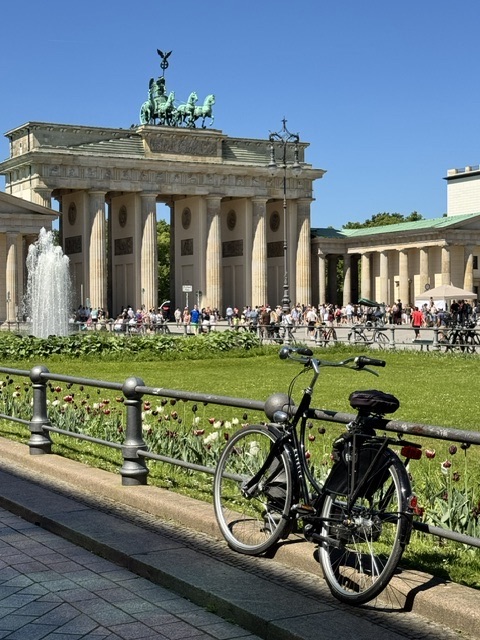
No man’s land where the Wall stood has been replaced by shopping centers, residential buildings, and parks. Major projects at Potsdammer Platz filled the former death strip with skyscrapers, creating a new city center. This also has brought a large growth in population and concerns about its rising rents and gentrification. At the same time, former neighborhoods that were once industrial areas, scrappy and cheap transformed into polished hubs for a thriving arts scene, and nightlife. Tech startups and global cuisine coexist.
But for me, the best results from the reunification and renewal came from the carefully preserved historical sites. Walking the former border today becomes a journey through history, especially along sites like the Berlin Wall Memorial, where sections of the wall stand as reminders of division. The city’s transformation remains equally visible at the Reichstag Building, now crowned with a glass dome symbolizing transparent democracy, and at Potsdamer Platz, once a barren no-man’s-land and now a bustling commercial center.
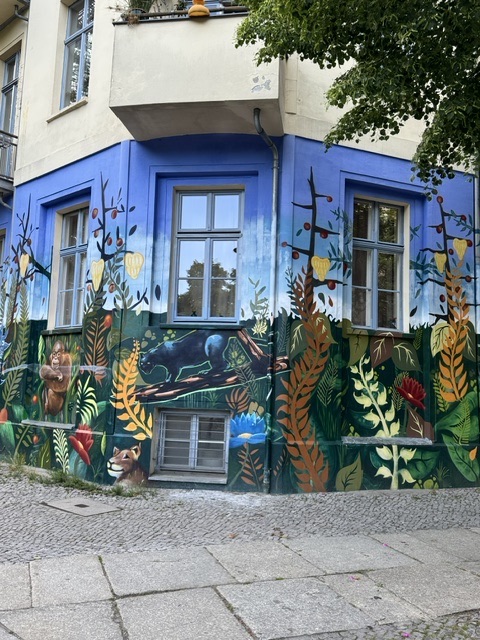
Art and memory intertwine at the East Side Gallery, where the longest remaining stretch of the wall has been transformed into a vivid canvas of expression. The Memorial to the Murdered Jews of Europe, German Spy Museum and German Resistance Museum, DDR Museum, and Checkpoint Charlie trace the exact path of the former divide, ensuring the past will never entirely be out of sight.
The clubs still exist as Berlin remains a nightlife capital. However, many are now institutions rather than improvised spaces. The raw edge has softened into cultural prestige.
And The Best Part
There is something comforting about gathering with daughters I have not shared space with for years. Time moved on, but certain rhythms remain unchanged. One of the best parts is sitting together over dinners, lingering around the table long after the plates are cleared, talking about life in a way that messages cards never quite capture.
As adults, the adventures and conversations change too. Instead of Disneyland or high school concerts, we share stories about work, travel, parents, memories, and plans. Each lives a busy and interesting life.
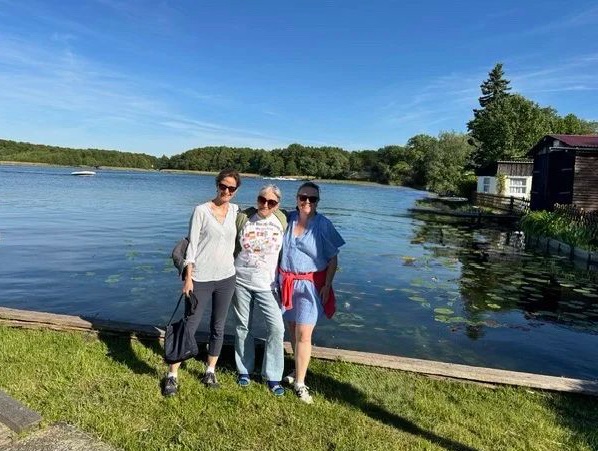
Distance becomes just something see on a map. Memories and stories creating a sense of continuity in a world that changes quickly. Often the most meaningful moments are the simplest ones and realizing that despite years apart, the connection still feels natural.
Remarkable, Memorable Berlin
What’s remarkable is not just Berlin’s physical transformation, but the emotional one: from fear and restriction, to freedom and improvisation, to reflection, identity and global influence. Few cities let you experience history so vividly across a single lifetime.
The wall may have fallen in a night, but Berlin has spent decades learning how to live without it. And for me, they have managed quite an amazing accomplishment.

0 Comments