31 May 2026
Even though I follow weather before I depart, I can get it horribly wrong in this era of Climate Change. This trip, my last-minute decision to pack a sweater has proven a comfort saver.
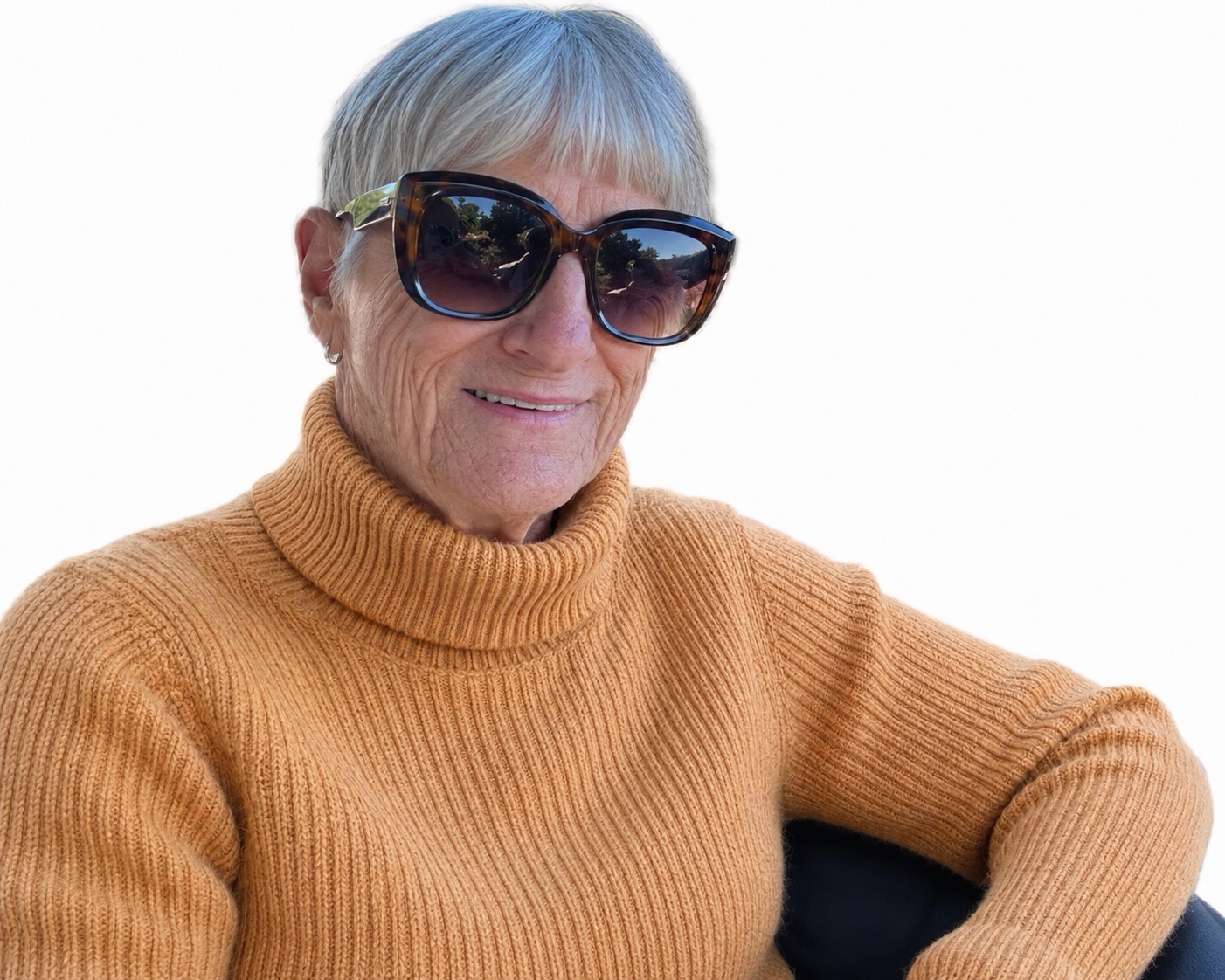
While I wore T-shirts in Berlin, Lithuania has been much colder. I’m glad for the cooler temperatures, but I have also worn that sweater every day for a week!
I set out for a museum day in Kaunas, drawn to a lineup of intriguing names that promise stories as layered as the city itself. I move from museum to museum, following curiosity wherever it leads. Each stop offers a different lens – history, art, memory, the odd. My day becomes less about checking boxes and more about piecing together Kaunas through its collections. And the best part, today is the last Sunday of the month and admissions are free.
Presidential Place
Easy to miss, this small rather unassuming building sits just off Vilniaus gatvė. Here, I step back into the period when Kaunas served as Lithuania’s temporary capital between 1919 and 1940. Its restored rooms were originally used by Lithuania’s interwar presidents, including offices, reception rooms, and ceremonial spaces. The exhibits focus on the young republic’s struggle for independence, the development of democratic institutions, and the lives of the country’s leaders.
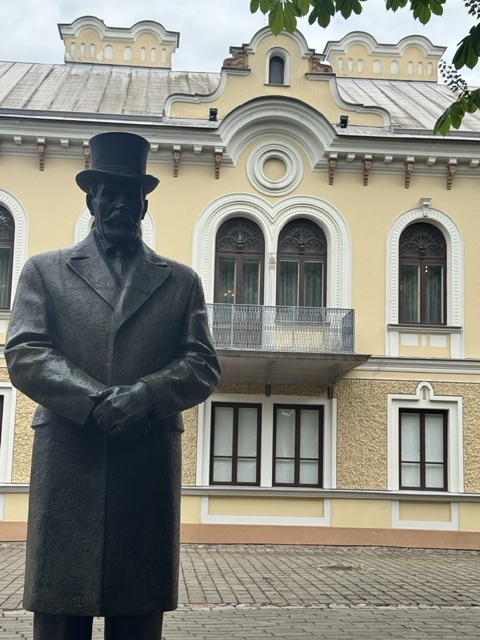
What makes the museum interesting is that it feels more intimate than many European palaces. This was the working residence of presidents in a small nation finding its place between larger powers. Exhibits include period furniture, photographs, official documents, gifts presented to presidents, and explanations of the political challenges of the era.
Outside, the palace garden contains statues of Lithuania’s three interwar presidents (Antanas Smetona, Aleksandras Stulginskis, and Kazys Grinius). The museum does an excellent job showing how Kaunas became the country’s political, cultural, and intellectual center during the years when Vilnius was under Polish control.
And a charming highlight to it all: each room had young high school students who offered to explain additional information. I enjoyed their efforts as much as the free admission. I asked about their experience. They are good students and receive credit. Even though their English was very good, one young lady apologized as “I only speak two languages.”
All students’ skills and poise were very impressive!
Vytautas the Great War Museum
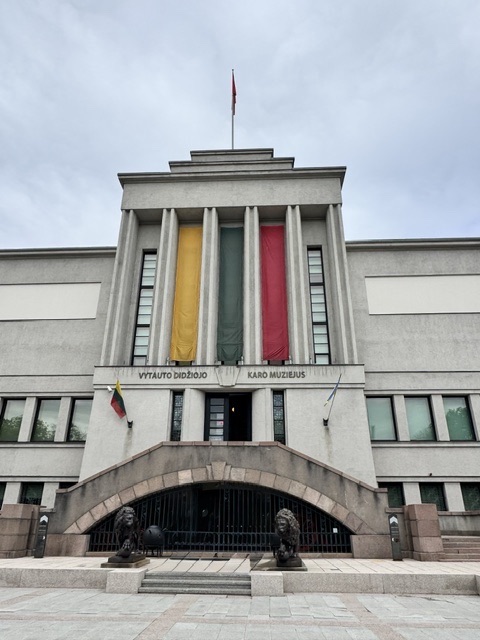
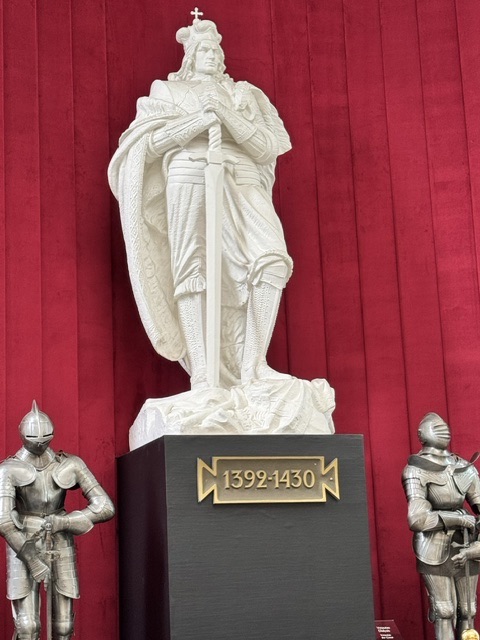
The Great War Museum focuses on Lithuania’s long struggle to defend and define itself, from medieval battles to 20th-century independence. It’s named after Vytautas the Great, the 15th-century ruler who led the Grand Duchy of Lithuania and helped defeat the Teutonic Knights.
The interwar exhibits cover 1918–1940, when Kaunas was the temporary capital. Displays include uniforms, weapons, and symbols of a newly independent state. Also exhibited are several items of Partisan resistance. Exhibits focus on the Forest Brothers who fought Soviet rule after World War II. Personal items, documents, and stories make this especially powerful.
Medieval and early warfare sections include armor, weapons, and battle narratives connecting back to figures like Vytautas and Lithuania’s early conflicts. A group of military equipment includes airplanes, cannons, motorcycles and even speedboats. The large memorial courtyard shows statues, an eternal flame, and carillon bells.
I’ve visited better military museums, but history buffs will like this one. For me, what stood out most was the continuation of their ever-present struggle for independence.
From Vytautas the Great (right) to the present, Lithuania’s history seems one long thread of resistance, adaptation, and survival.
MK Čiurlionis Museum of Art
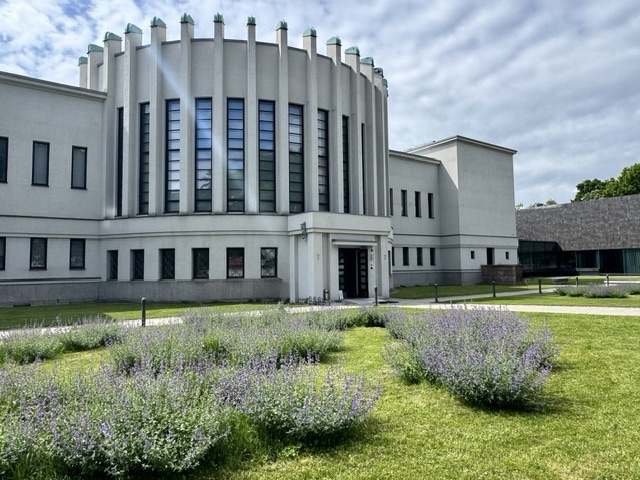
Part of the same gigantic building as the War Museum, this museum showcases the works of Lithuanian painter & musician M.K. Čiurlionis. The not-to-miss highlight is the gallery of Mikalojus Konstantinas Čiurlionis himself.
Here is the only place in the world where one can see the full range of his work – dreamlike, symbolic paintings that often feel like visual music. His series inspired by sonatas and creation myths are especially striking, blending art, spirituality, and mystical imagination.
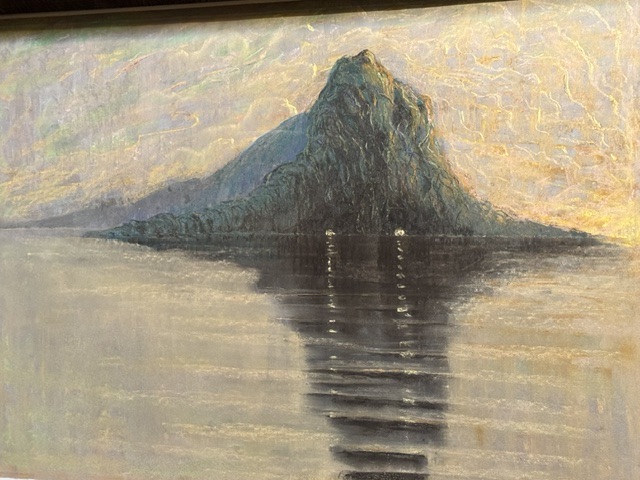
Closely tied to the gallery is the music hall, where one can listen to Čiurlionis’ compositions while surrounded by his art. This becomes an unusual, immersive pairing that helps one understand how he thought across both sound and image. I’m not a music aficionado, but his sonata seemed to range from softly melodic to frantic to dark, much like his art. Čiurlionis composed over 353 compositions, completing 270. He accomplished this in a time span of ten years!
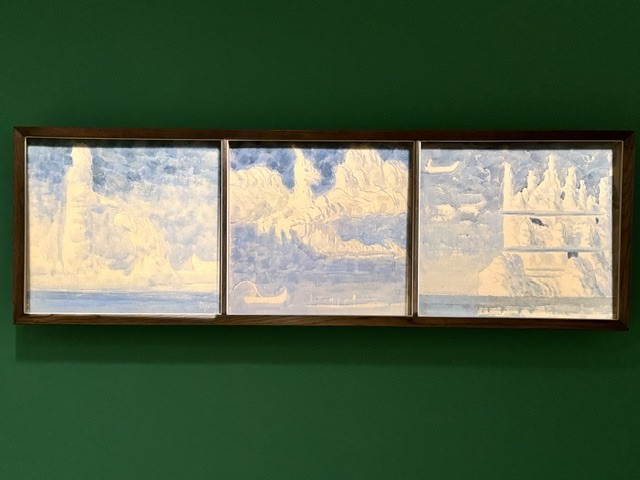
When his art and music are both taken into consideration, Čiurlionis was incredibly ambitious and prolific. It appears he literally worked himself to an early death.
Beyond Čiurlionis, the museum offers a broader look at Lithuanian art from medieval religious works, folk art traditions, to applied arts spanning centuries. The Lithuanian cross-making exhibition in the courtyard is particularly distinctive, reflecting a unique national tradition.
Devil’s Museum
No way I wanted to miss this museum. Just the name makes me wonder if it is interesting or just tacky. It seems it sits somewhere in between the two extremes – quirky but definitely not just a gimmick.
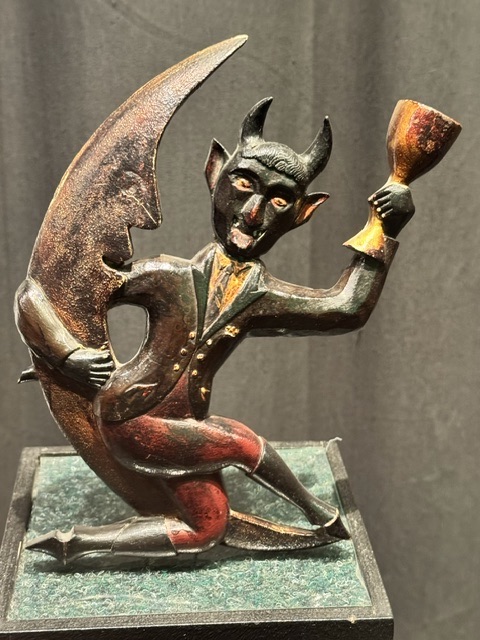
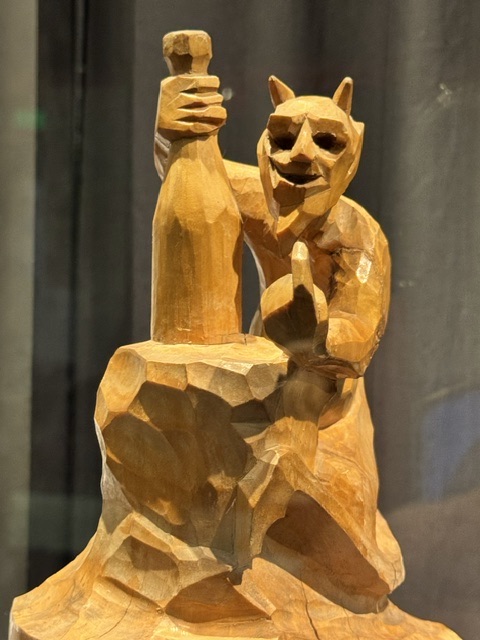
The museum was built around the lifelong collection of Lithuanian artist Antanas Žmuidzinavičius, who gathered thousands of devil figures from around the world. Today there are over 3,000 pieces ranging from sculptures, masks, and carvings, to artworks showing how different cultures imagine the devil.
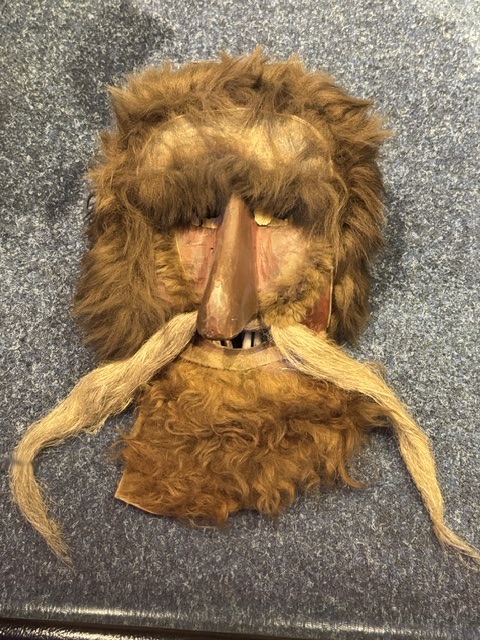
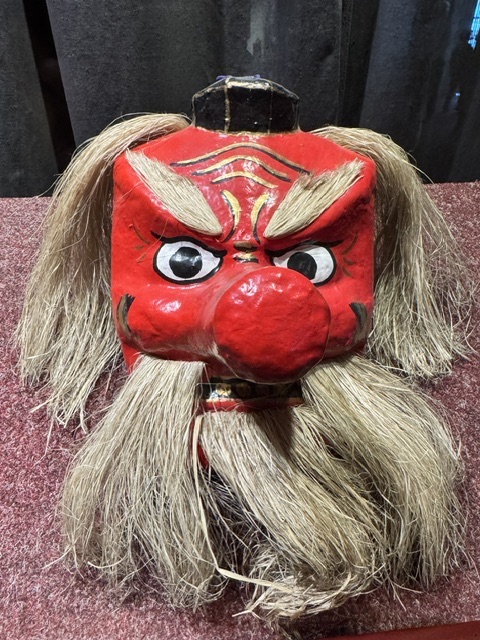
So, what one gets isn’t a wax-museum spectacle like Madame Tussauds. It’s more like stepping into someone’s eccentric, slightly obsessive worldview of part folk art, part anthropology, part humor. Some devils are mischievous, even playful, others reflect darker folklore traditions from places as varied as Scandinavia, Africa, and Asia.
It feels light and even funny at times, but there’s also a cultural thread running through it: how societies use the idea of the devil to explain mischief, fear, morality, or human flaws. Or to keep their young children in line. I leave asking myself, how his family felt about sleeping under the same roof as this collection.
The Devil is in the Details
Žmuidzinavičius (1876–1966) was one of Lithuania’s most important artists, known for his landscapes, depictions of Lithuanian villages, and patriotic themes. A painter, collector, and cultural activist, he helped promote Lithuanian national identity through art during a period of political and cultural change.
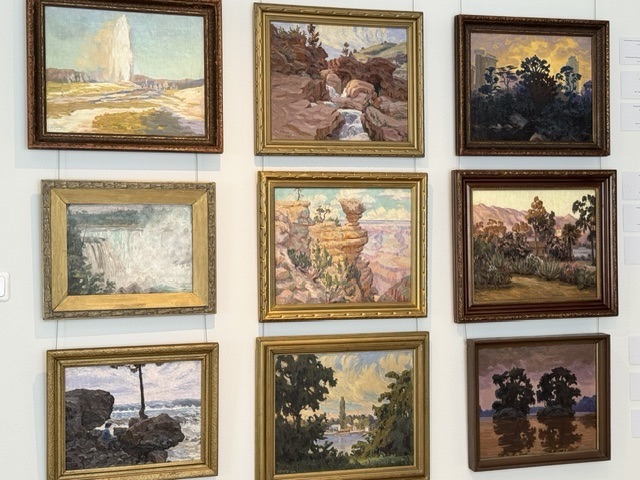
The museum is located within his home and also includes his studio and a small section with his sketches and oils. I enjoyed the display of his oils painted as a result of touring within the USA. No devil paintings were seen.
In short, this museum is not serious in the way a war or occupation museum is, but it’s not empty camp either. I think of it as a slightly odd detour that adds variety to my day rather than depth.
Art Deco Museum
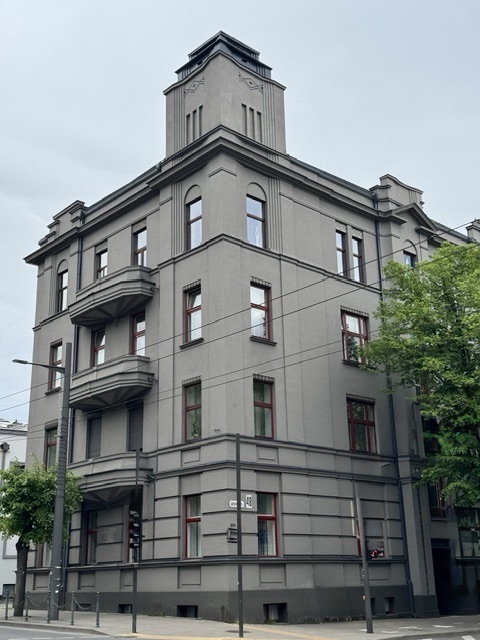
Most suitable to my interests is the Art Deco Museum. Opened in 2021, the museum actually acted as a private apartment housed in a building built in 1929. The apartment retains its original layout. Exterior and interior are adorned with Art Deco signs, furniture, lighting, and decorations of the era.
Instead of glass cases and labels, I walk into a fully restored 1929 apartment and move through room by room. I see how a middle- to upper-class family lived during Kaunas’ interwar period. I explore the dining room, parlor, bedroom, kitchen, even a maid’s room with each space carefully recreated with authentic furniture and details.
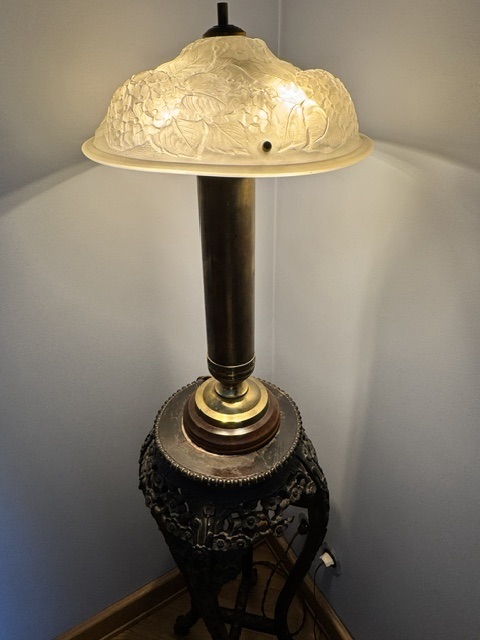
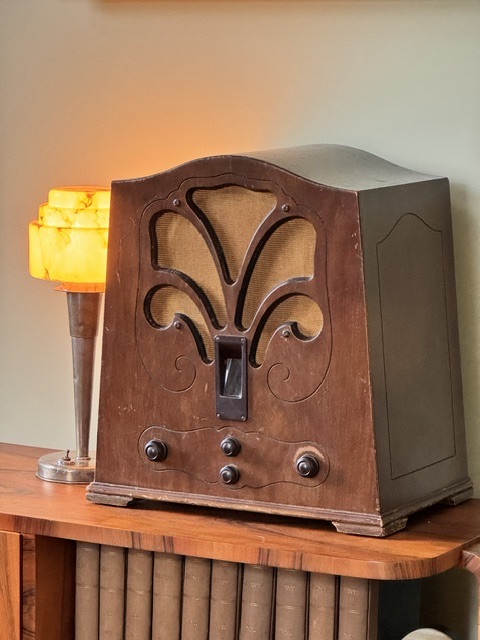
I am allowed to sit on the furniture amid stories about the original residents and their daily life in the 1930s. The design itself becomes part of the story: geometric patterns, elegant materials, and subtle Lithuanian folk motifs woven into a modern, art deco style.
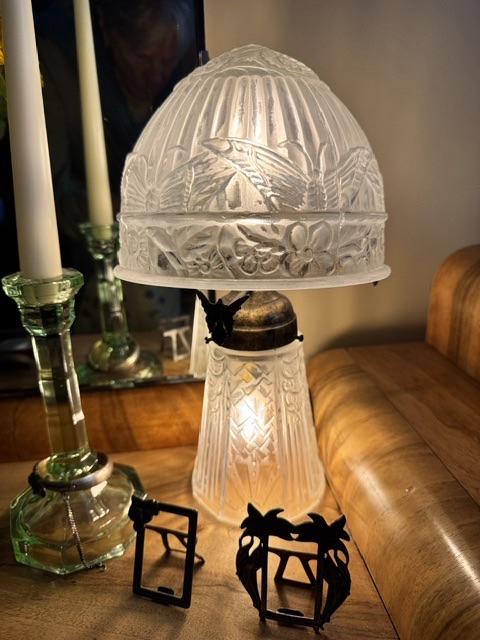
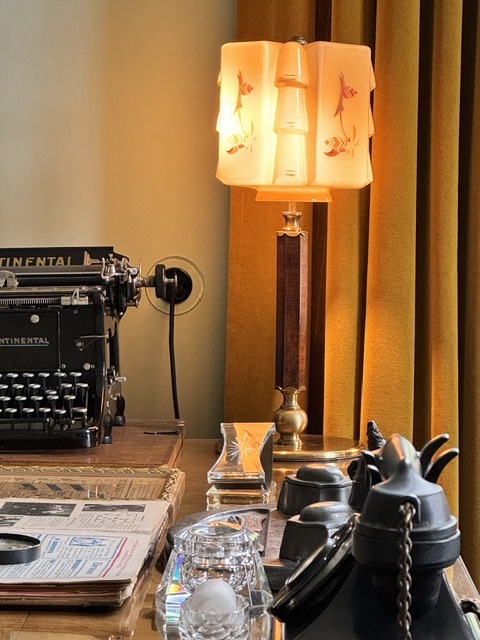
It’s not large or overwhelming. Instead, it feels intimate and narrative-driven – more like stepping into someone’s life than touring a museum. If you want to understand Kaunas as a temporary capital and a modern, optimistic city between the wars, or just love art deco style, this is one of the most vivid ways to experience it.
Literally. I. Didn’t. Understand. One. Word
The tour is only in Lithuanian. I believed, being more experiential, language would not be a problem. However, the major part of over an hour and a half was listening to the guide talk. I curbed my laughter as I admitted to myself, while the rooms and items were interesting, I literally didn’t understand one, single word. English tours are offered only about 6 times a month.
Strolling Under the Linden Trees
Laisvės Alėja, or Liberty Avenue, stretches for a mile through the heart of Kaunas, possibly one of the longest pedestrian boulevards in Europe.
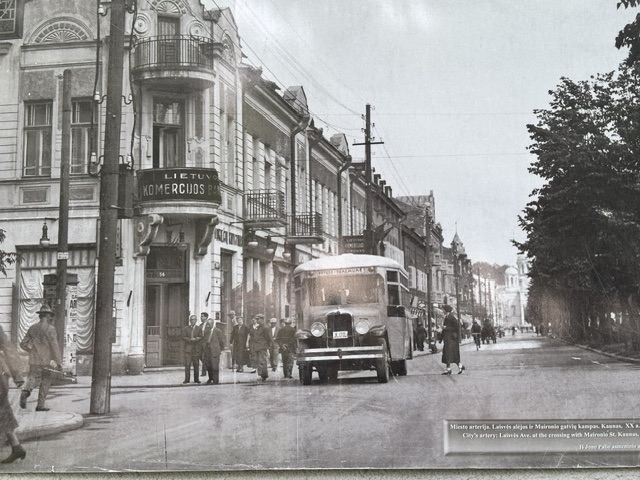
The street took shape in the late 19th and early 20th centuries, when Kaunas. Because of military regulations, most surrounding buildings were kept low, typically just two or three stories. Happily, the avenue retains a uniform, human-scale that still defines it today
In 1982, the boulevard became fully pedestrian. A central strip of leafy linden trees divides the wide path into two promenades, offering shade and areas to gather. Walking along, the avenue seems to be less about getting somewhere than about being in the flow.
Laisvės is lined with cafés, art, fountains, shops, restaurants, and benches for a pause for the feet. I observe my beautiful surroundings and choose the Mangal near St. Michael the Archangel.
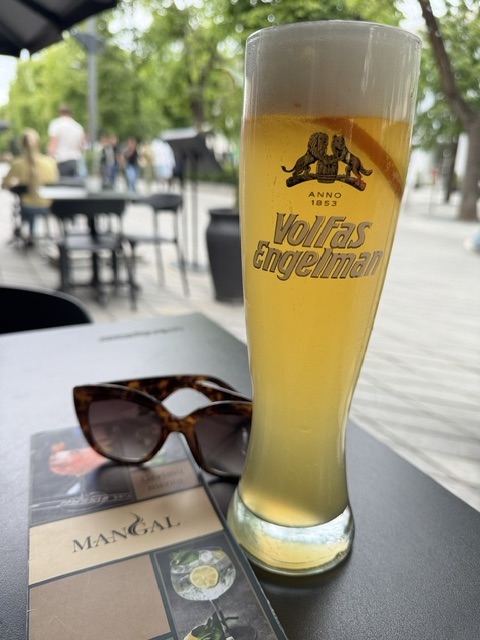
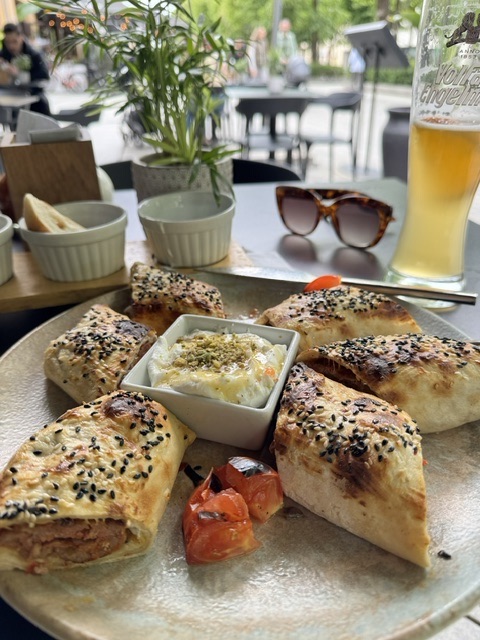
Today’s early dinner is Sarma Beyti with lamb, minced lamb with dry age beef, eggplant, mushrooms, bell pepper and cheese rolled in a bread and served with yogurt. I accompany my meal with a refreshing tall glass of Volfas Engelman Blanc with a slice of orange.
Speaking with the young lady who served me, she told me she learned her excellent English in school. Then, seemed surprised I “came such a long way.” She asked why as it seems so few people think about her distant country. It was a pleasure to assure her I liked her country very much and would be sure to encourage others to come see for themselves.
Life is good. To good health!
Į sveikatą!

0 Comments