2 June 2026
Šiauliai has proven compact, interesting and quieter than Kaunas. A small town of approximately 100,000, it ranks as Lithuania’s fourth-largest city. The city may seem small but it offers some great sites for visitors. It also provides a relatively peaceful respite from the hectic touring demanded in larger cities like Vilnius or Kaunas.
Today, I organized my time around museums. While I skipped the Bicycle Museum, I did visit several worthy of exploration.
Chaim Frenkel’s Villa
At Chaim Frenkel’s Villa, I discover a place where architecture, industry, and Jewish heritage come together. Built in 1908 by industrialist Chaim Frenkel, whose leather factory helped make Šiauliai a major industrial center.
The home sits at the center of what became the Jewish Ghetto under Nazi occupation. In 1909, some 56,1 % of the population of Šiauliai were Jewish. Jews died every day in the overcrowded ghetto due to harsh working conditions, starvation, brutality by guards, and unbearable sanitary conditions. Ghetto’s inhabitants experienced maximum exploitation as forced labour. The largest number of Šiauliai Ghetto Jews were employed at Frenkel’s leather factory.

Pasaulio teisuolių skveras or Righteous Among the Nations Square dedicated to local Lithuanians who risked their lives to rescue Jewish people during the Holocaust
One of the most brutal crimes of the Jewish genocide was the Children’s Deportation, during which about 570 children and 260 elderly Jews were selected and deported to German concentration camps.
As the Soviet army approached, the liquidation of the Ghetto began on 15 July 1944, and its prisoners were deported to concentration camps inside Germany. Those who survived in these camps were liberated from Nazi terror by the Americans on 2 May 1945. By the end of the war, only about 500 Jews from Šiauliai had survived!
Chaim Frenkel’s beautifully appointed Villa reflects the wealth and success of a modern Jewish family at the turn of the 20th century in Šiauliai. The decor combines European Art Nouveau aesthetics with touches of traditional Lithuanian Jewish lifestyle and luxury.
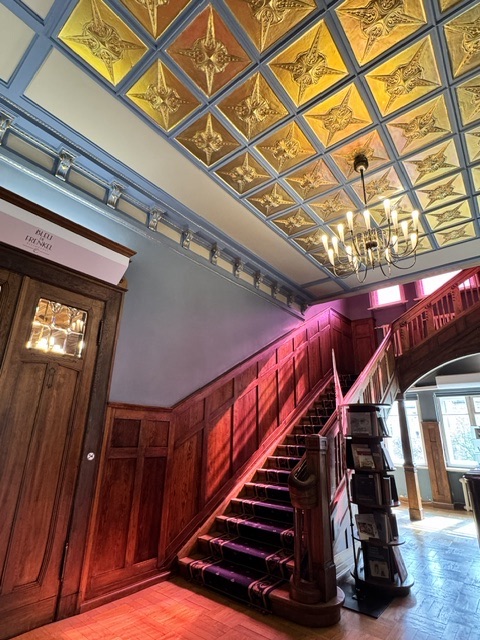
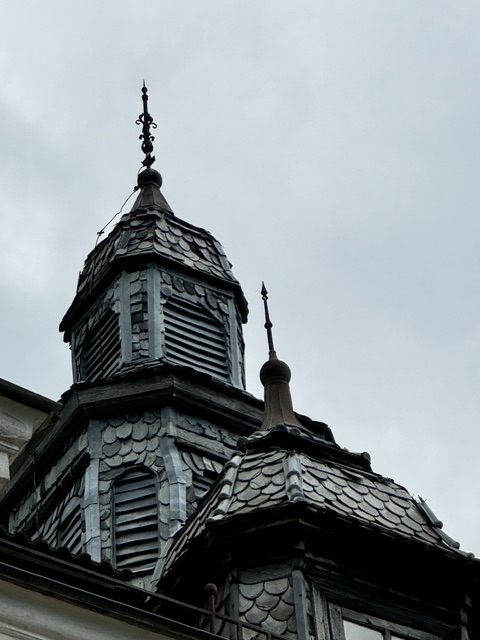
The building itself represents a highlight: an Art Nouveau residence with ornate woodwork, beautiful rose-tinted windows, stucco, and traces of frescoes. An interesting feature is the home’s Neo-Renaissance style turret. The home is beautiful as are the gardens. However, its neighbor was the family’s tannery and leather factory. I suspect the smell could have been odorous.
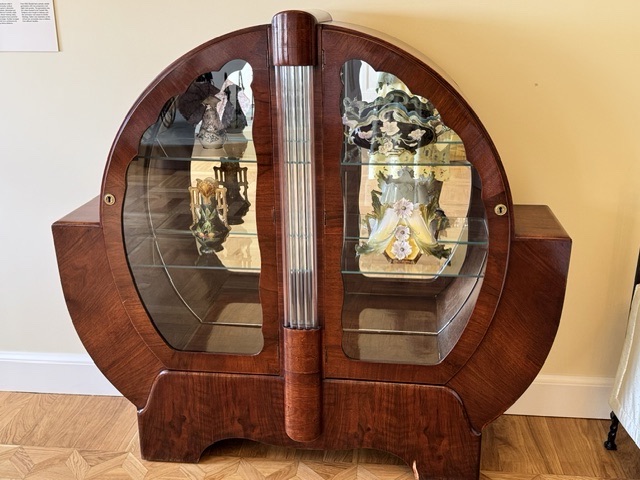
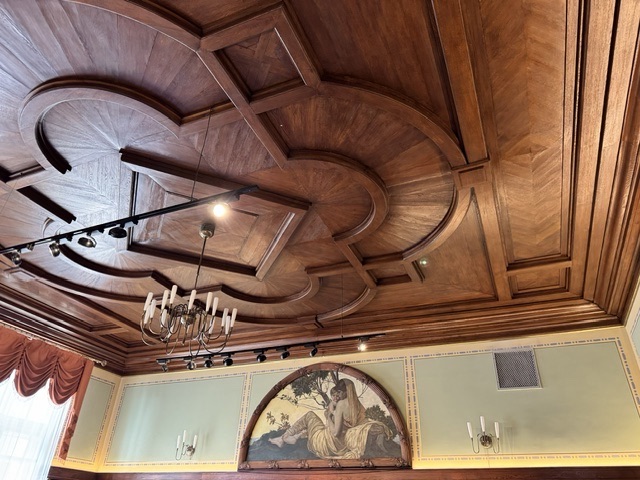
Inside, the salons, dining rooms, and libraries are staged to recreate family life. The rooms are beautifully decorated. Plaster decorations include ornate ceiling roses, floral garlands, and geometric patterns. Exhibits explore the Frenkel family and their business empire, the Jewish community of Šiauliai, the horrible WWII Ghetto, and the city’s development in the late 19th and interwar period.
Although the villa’s Art Nouveau stucco, ornate woodwork, and ceiling paintings are original to 1908, the Frenkel family’s personal possessions were lost during the World Wars. Today, the museum recreates the home of a prosperous Jewish industrialist from the late 19th and early 20th centuries, using authentic restored antiques and carefully selected period furnishings that reflect the era and regional cultural heritage.

The Frenkel family’s manufacturing empire came to a devastating halt during World War II. While founder Chaim Frenkel died naturally in 1920, Rosa Frenkel (his daughter-in-law) was taken to the Vilnius Ghetto in the autumn of 1941 and was later murdered. Dora Frenkel (Chaim’s widow) remained in Šiauliai, lived in the family’s villa, and was eventually killed in the Šiauliai Ghetto in late 1941. The only survivor was Jokūbas Frenkel (Chaim’s son) who successfully escaped to the United States.
This same villa later served as a Jewish school and even a Soviet military hospital. Outside, the garden and fountain offered a quiet spot for the family.
Cat Museum
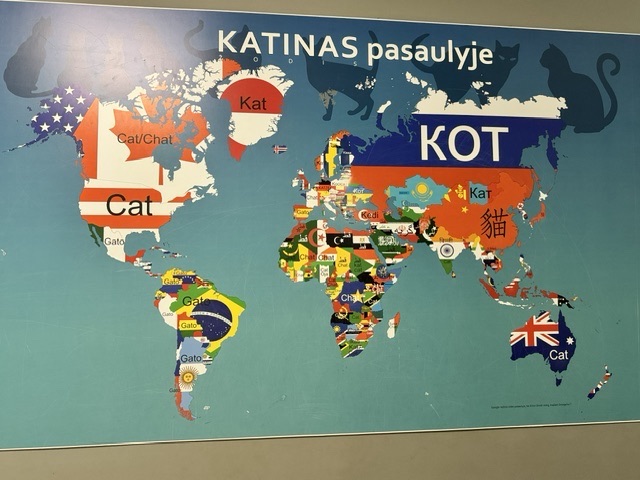
If one loves cats even a little, this museum provides the respite one needs. The museum seems definitely quirky but it proves more engaging than expected. Rather than devils (as in the Kaunas museum) the lady of this house collected cats.
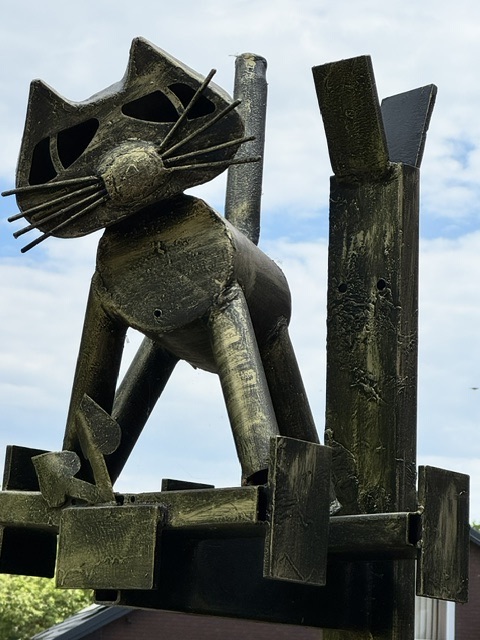

It began as a personal obsession: naturalist Vanda Kavaliauskienė’s personal collection that grew into a museum with over 10,000 cat-themed objects from around the world including figurines, paintings, stamps, ceramics, even poems. The rooms are packed, almost overflowing, like stepping inside someone’s lifelong passion – which it is.

The real charm, though, becomes the live cats wandering freely among the exhibits. They follow, pose for photos, and give the place a playful, slightly surreal atmosphere. There’s also an adjoining wildlife garden with reptiles and birds, which adds to the unexpected, slightly eccentric mix. The cats are not allowed to eat the mini-zoo inhabitants. The boa constrictor is not allowed to swallow the cats.
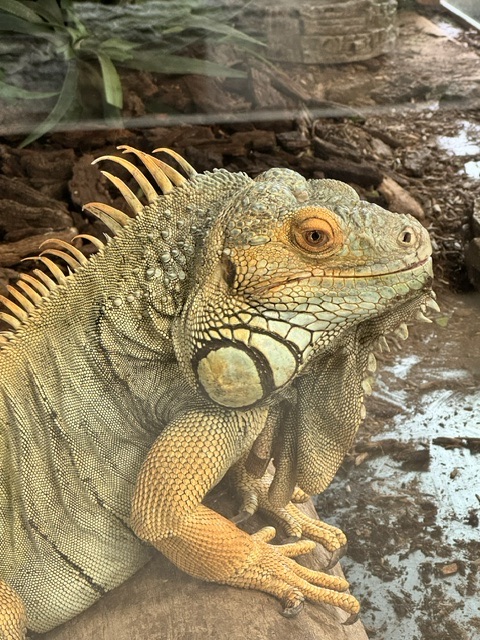
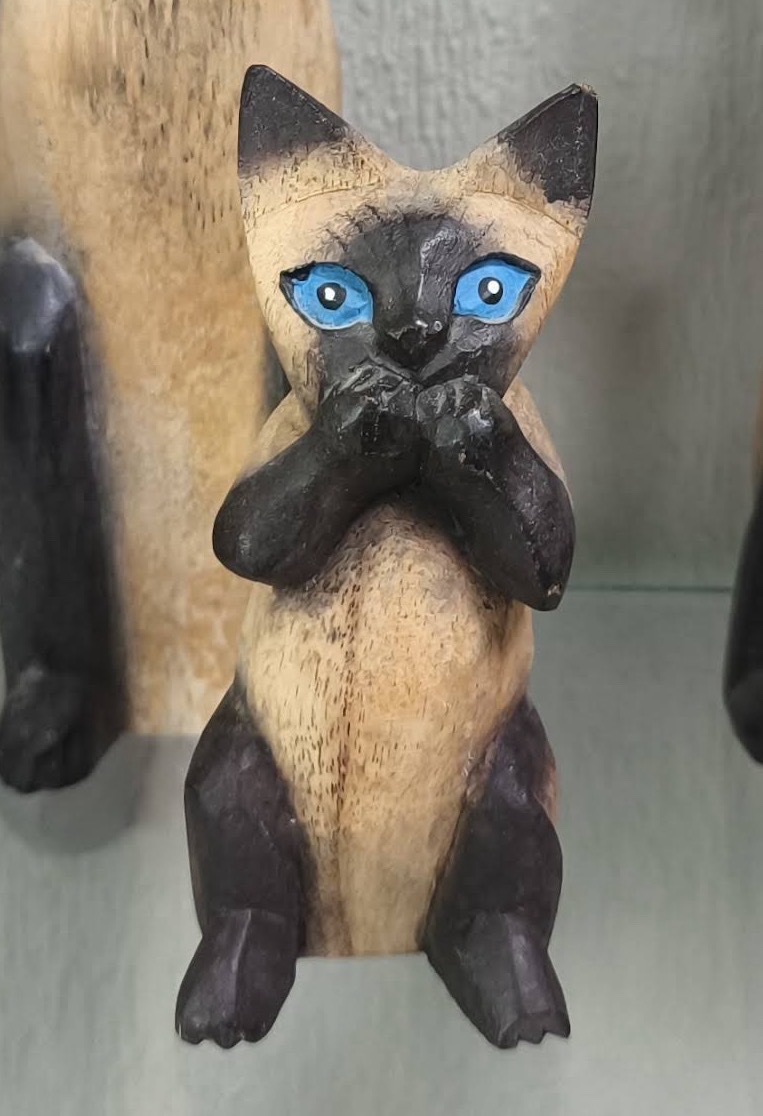
So, worth the admission? If you’re looking for deep history or high art, no. But if you enjoy unusual, human-scale places that reveal something about local personality and curiosity, it’s a fun, memorable stop. Think of it less as a serious museum and more as a charming detour – something you’ll remember precisely because it’s a little odd.
Rūta Chocolate Museum
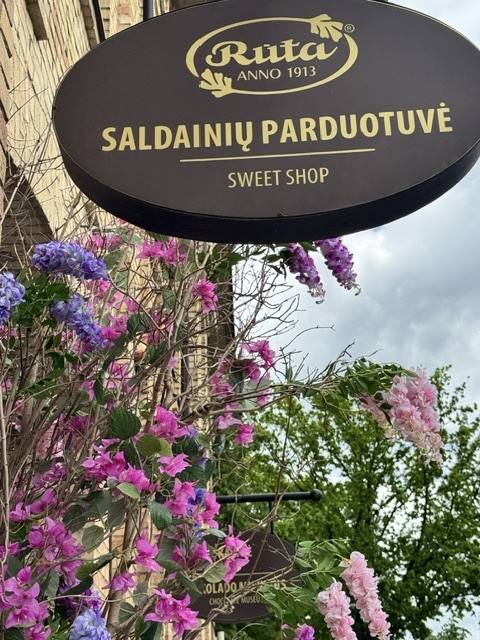
I come for indulgence – I also learn history. This museum sets inside an historic factory that has been producing sweets for over a century, and one of the first things I notice is the smell of cocoa, caramel, and roasted nuts, all emanating from the store at the entry.
Inside, the exhibits take me on a surprisingly wide journey. I learn how chocolate began as a sacred drink of the Maya and Aztecs, the tools they used, and how it evolved into the treat we know today. There are displays of old cacao-processing tools, historical vessels, and even artifacts like ancient-style drinking cups.
Another section focuses on Lithuania itself and how chocolate arrived here. The Rūta factory became one of the country’s oldest and most enduring confectionery producers. What makes the visit memorable is how interactive it is. I can design my own candy wrapper, try small games, or watch how chocolates are made. One learns pretty much all about the makings of our favorite chocolates.
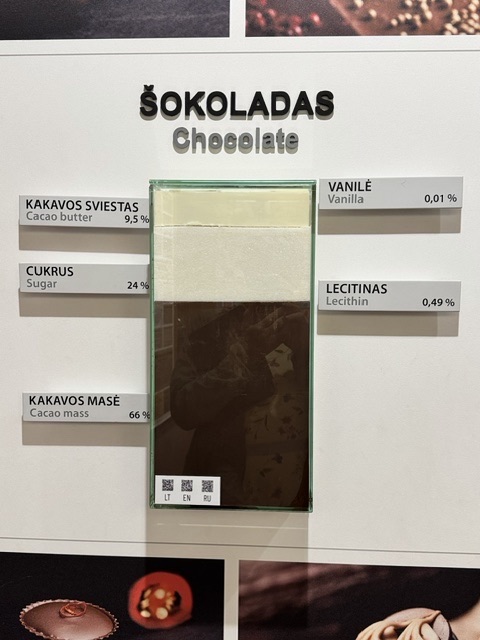
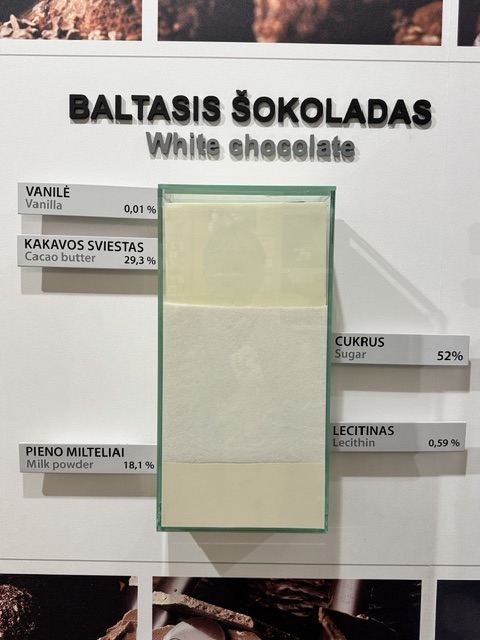
My tour ends, naturally, with tasting – pretty much why I came. The chocolates can be purchased by the piece and are reasonably priced. And delicious!
Photograpy Museum
This small museum roots itself in seeing and interpreting the world. The exhibits are modern, technical, and interactive. For me, a tablet and earphone was provided to explain the extensive exhibits.
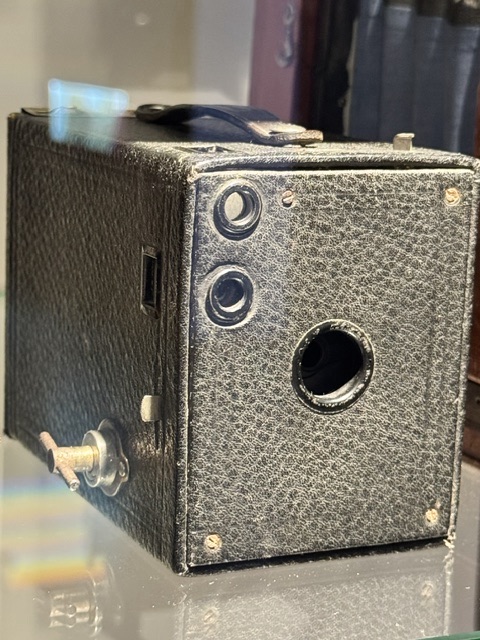
This represents the only museum in Lithuania dedicated entirely to photography.
Items displayed range from an old Brownie, at right, much like I used as my first camera, to dozens of varieties used over the decades.
Inside, displays include the evolution of cameras and photographic technology. Highlighted is Lithuanian photography and a working photo lab. However, the standout feature is the rooftop terrace, where a camera projects a live image of the city, turning Šiauliai itself into part of the exhibit.
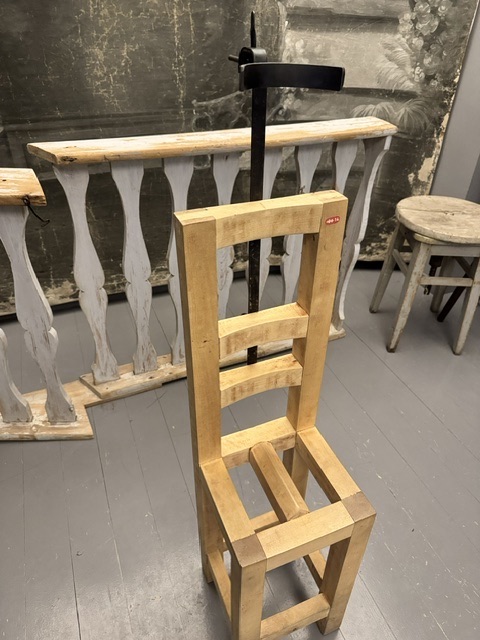
A photographer’s chair. The iron headrest not for torture but to keep the subject stationary for the several minutes it took for image to be captured.
Šiauliai History Museum
The Šiauliai History Museum tells the story of the city and the surrounding region from its earliest beginnings to the modern era. Through a mix of archaeological finds, historical documents, photographs, and everyday objects, one can follow the development of Šiauliai over more than seven centuries.
One of the museum’s key themes is the Battle of the Sun of 1236, a pivotal event in Lithuanian history. Multimedia exhibits help bring this medieval conflict to life while explaining its importance in the struggle against the crusading military orders.
The museum also explores everyday life in Šiauliai through the centuries, displaying household items, tools, crafts, and personal belongings that reveal how local residents lived and worked.
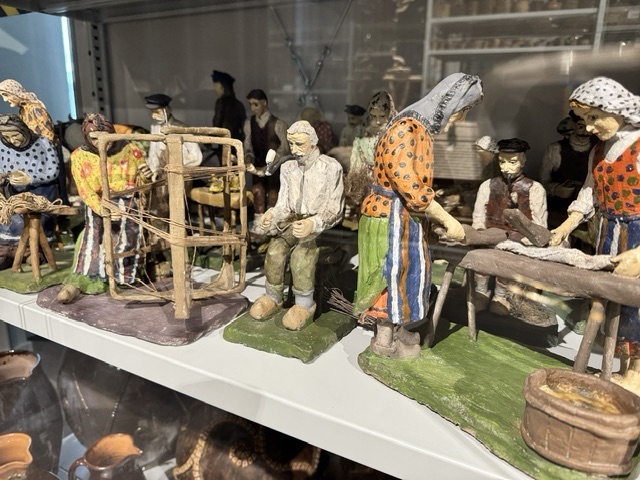
Ethnographic collections highlight the traditions and folk culture of northern Lithuania, preserving aspects of rural life that have largely disappeared.
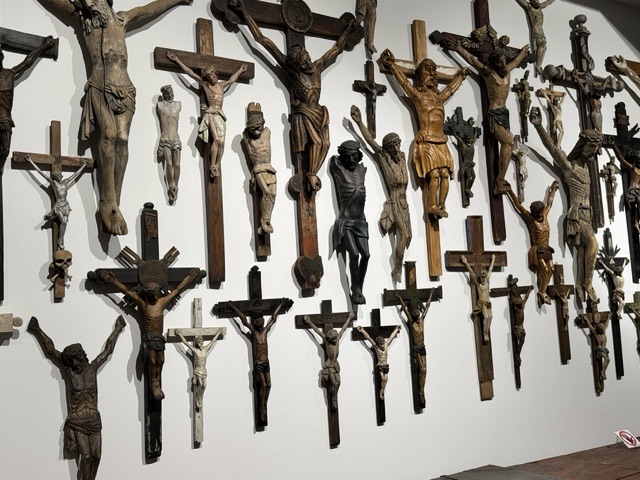
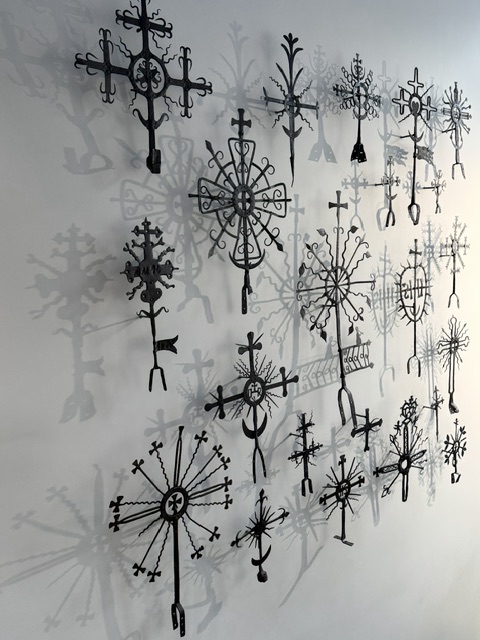
A distinctive feature of the museum is its open-storage displays, which allow visitors to view a much larger portion of the collection than is normally exhibited. These include extensive displays of religious sculptures and crosses, something for which Šiauliai artisans are known.
The dramatic events of the twentieth century receive significant attention. Exhibits document the destruction caused by the First World War, the city’s reconstruction, and Lithuania’s Wars of Independence in 1919. Photographs, artifacts, and personal stories illustrate how these conflicts shaped both the city and its people.
Together, these exhibits provide a comprehensive introduction to the history, culture, and heritage of Šiauliai and the surrounding region. This proved to be an excellent museum and worth the time to explore.
Šiauliai Sv. Jurgio Bažnyčia
A day without popping into a church would be slightly less than a full day. Especially when a church appears on almost every corner of the city. Today, I walk to Jurgio bažnyčia or St. George’s Church.
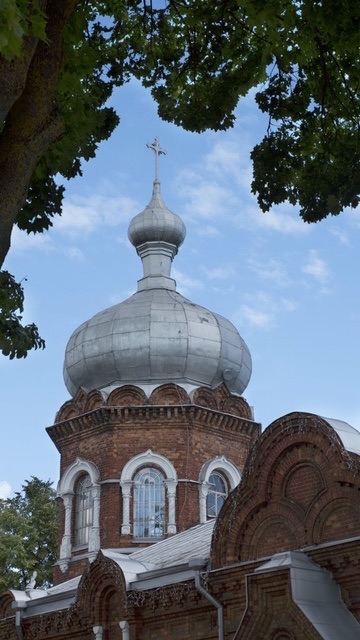
The Byzantine style church was built in 1909, paid for by the Tsarist Government of Russia and was intended for the Russian Army’s use. The red-brick church was designed with soaring towers, pointed arches, richly detailed brickwork, and outstanding onion domes. It became an important spiritual and community center for local Catholics and survived both World Wars.
In March of 1976, the church roof, ceiling, organ, benches and the great tower bumt down (the church had two towers: 82 and 95 feet high). The church was rebuilt in a period of 9 months.
A scandal was explained, not about corruption but land-ownership involving the Russian Imperial authorities. The church was built upon land belonging to the local Venclauskis family without a proper legal basis. The landowner’s husband, a lawyer, sued and won. The court ruled that the land should be returned and the church removed.
In the end, the Russian Ministry of War intervened and negotiated a settlement with Venclauskis. The church was allowed to remain where it stood. Today it is remembered as one of the more unusual legal battles in Šiauliai’s history.
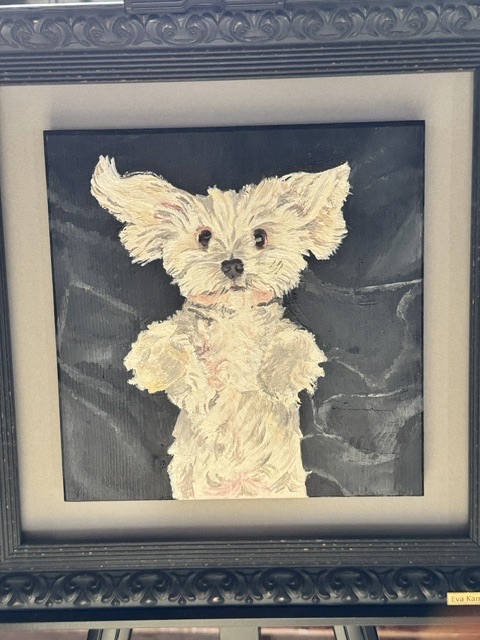

Inside St. George, a student’s art exhibit Spring’s Little Paws was on display. Their pets were charming.
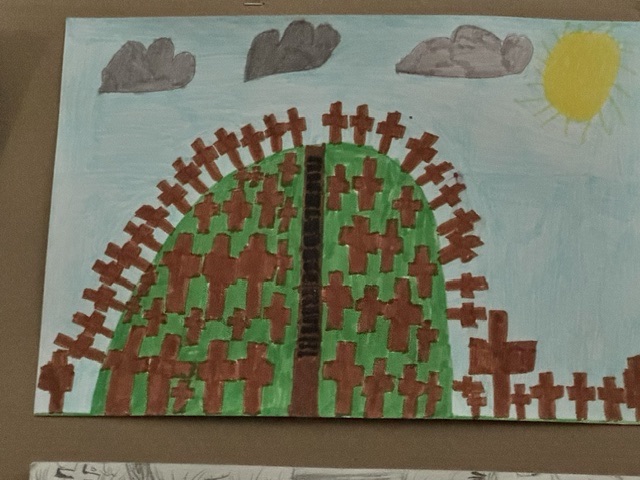
Tegyvuoja Lietuva
Šiauliai’s Passeggiata seems much quieter than Kaunas. I suspect less tourism means less café activity in evenings. I certainly felt I may have been the only American in the city. But, I found the quiet proved good, giving me time to catch a relaxing breath after two weeks of hectic travel. Often, I was the only person in the museum and I liked that.
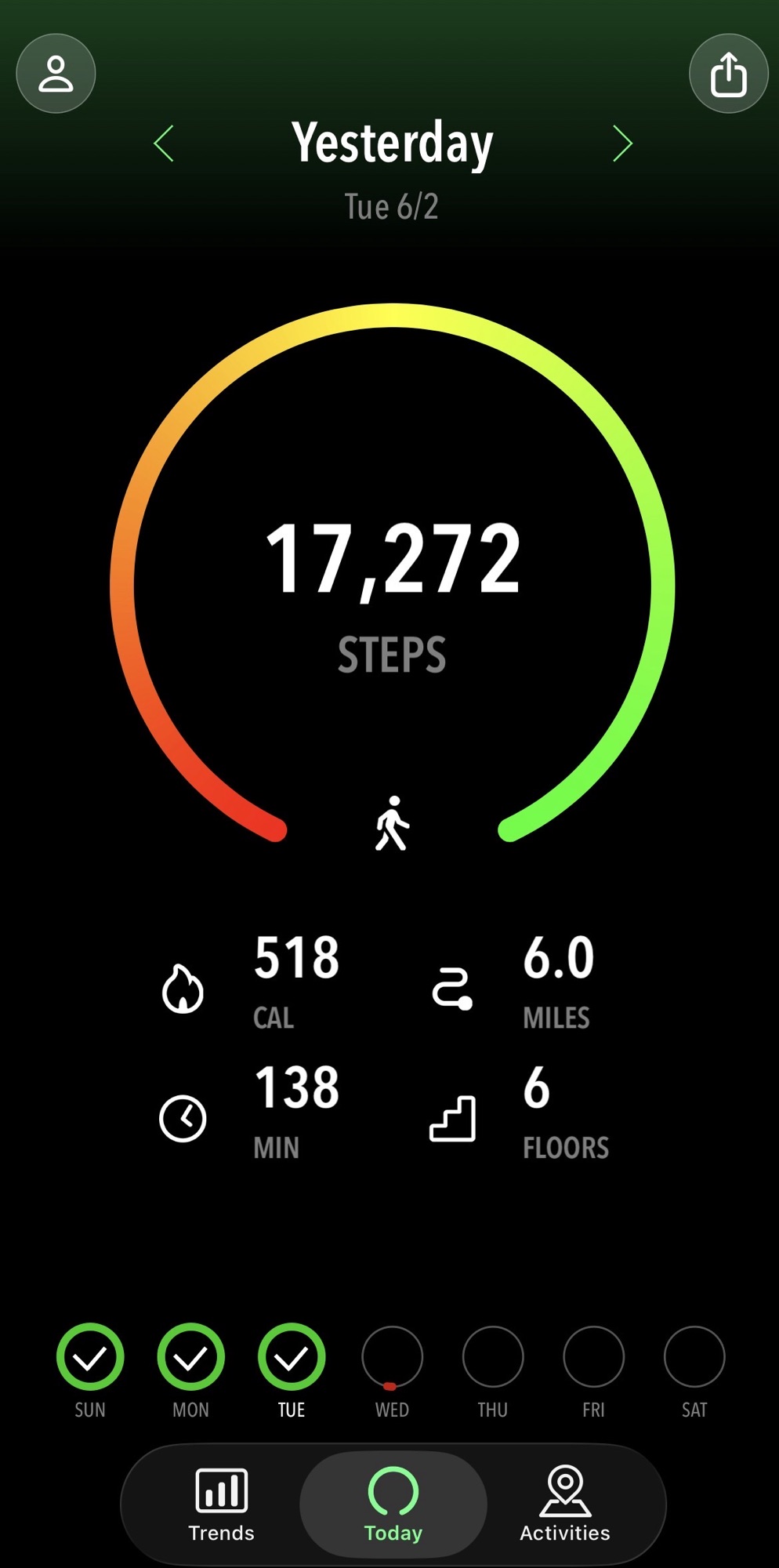
I continue to get my exercise accomplished for each day. Walking about 6 miles a day allows me to eat full meals and drink Lithuanian craft beers. I eat French fries and another craft beer with no guilt. I like that, too.
I vote Švyturys Ekstra as my favorite; Volfas Engelman wheat beer a close second.
I spend my last night in Šiauliai along Vilniaus g. at Kepsmas dining on a delicious pork collar with honey mustard sauce, slaw and sweet potato fries. Cleaned my plate. The pour of Dundulis Grynas pale ale had a hoppy bitterness and lingering aftertaste of straw. Not my favorite beer.
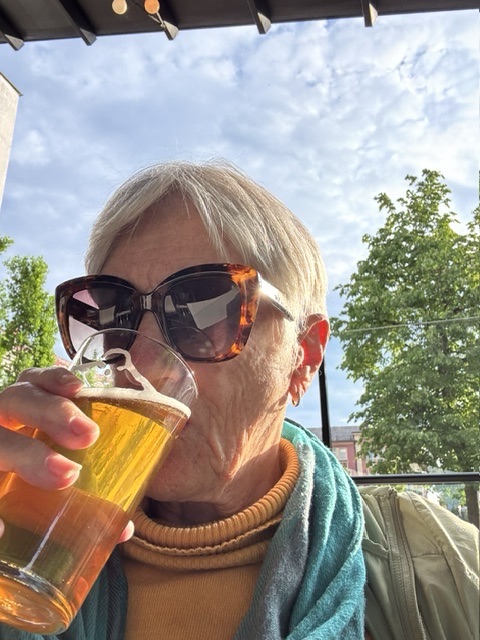
As I relax and enjoy my evening, I watch the passage of local residents as they go about their daily activities. Some walk their dogs, others skateboard or zoom by on the ubiquitous scooters and bikes.
Twice, a guy walked past today carrying a huge boombox on his shoulder shattering eardrums of bystanders. What’s with that? The gentleman on the square hence returns each night to shout across the square. Perhaps it is good I don’t understand his rantings.
I see many Ukrainian flags around town; heartfelt support by Lithuanians is obvious. It also occurs to me that I have seen no smokers. While I see ash trays here and there, no cigarette butts or trash are seen. I do t miss that mess but I do miss a friendly cat here and there.
I have really enjoyed visiting Lithuania. So glad I finally made my journey to this wonderful Baltic state.
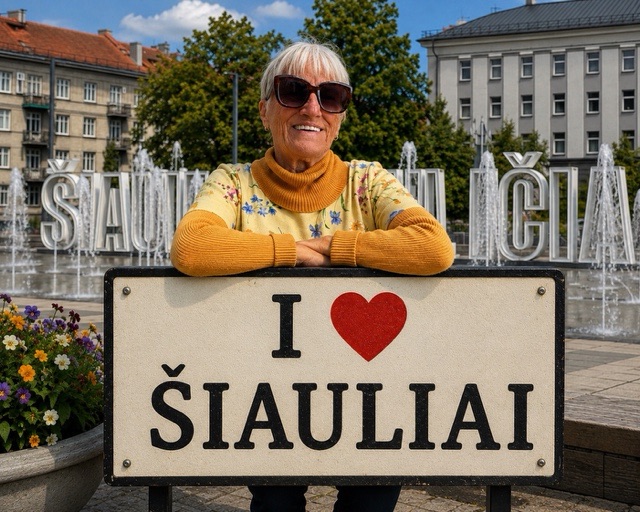
Tegyvuoja Lietuva!
Long live Lithuania!
