13 Nov 2026
After breakfast, we pack up for our return drive to Stone Town. There exists only one road, the same one we arrived using. This presents me the chance to look beyond and notice more of everyday Zanzibar.
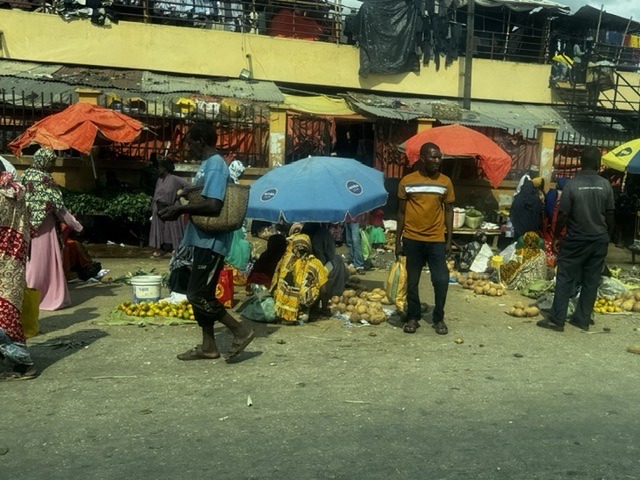
I watch for the details that may have escaped me because of darkness on our way north. It resembles a moving window into island life.
Watching the Real Zanzibar
I watch the transition from rural villages to busier roads, denser buildings and the bustle of the city. I see small stone and concrete homes, scores of people chatting and quietly going about their everyday life.
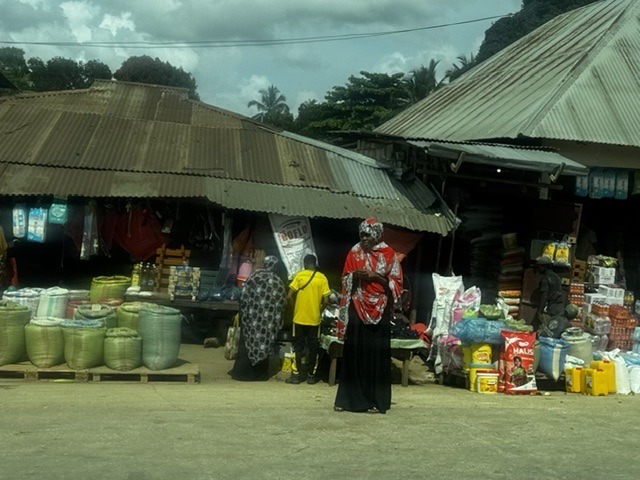
The little markets with piles of green coconuts, bananas, cassava, mangoes and other produce sit alongside tiny shops selling household goods and colorful clothing.
And once again the road becomes crowded with motorbikes, bicycles, pedestrians and the minibuses called dala-dalas.
A Whiff of Zanzibar
A visit to a Kizimbani Spice Farm becomes my chance to discover why Zanzibar is known as the Spice Islands. Here, spices grow as living plants rather than arriving in little jars from the supermarket.
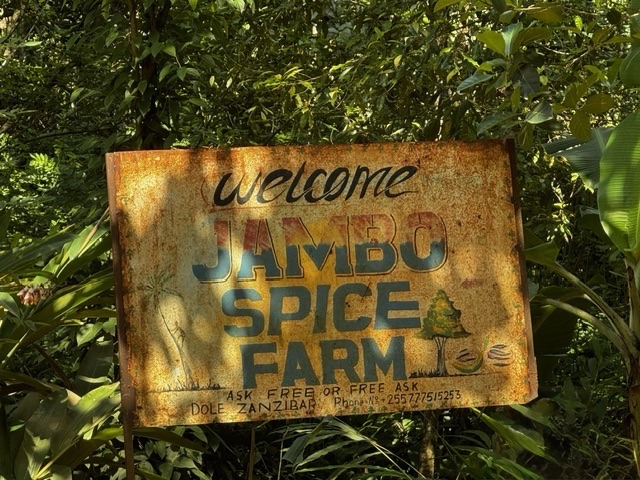
I have the opportunity to learn how a variety of spices have been used in cooking, traditional remedies, cosmetics and perfumes.
Zanzibar’s signature spice? Cloves. The unopened, dried flower buds are used in perfumes, soaps and dental products. Clove oil has traditionally been used to relieve toothache. A second popular spice comes from tree bark – cinnamon. Its fragrant oils are used in perfumes, soaps and scented products. Cinnamon has also been used traditionally in remedies for digestive complaints.
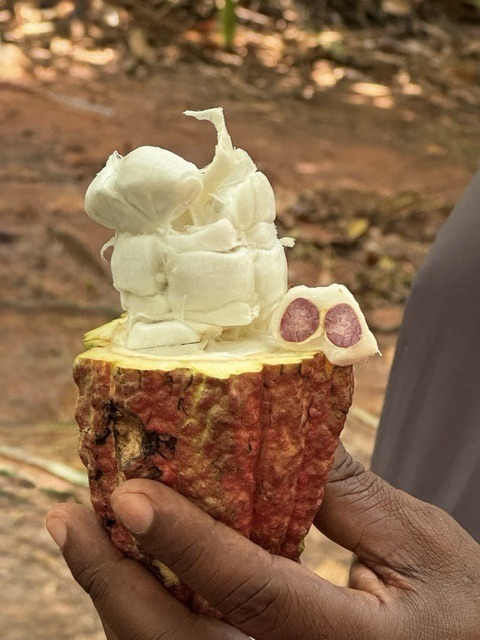
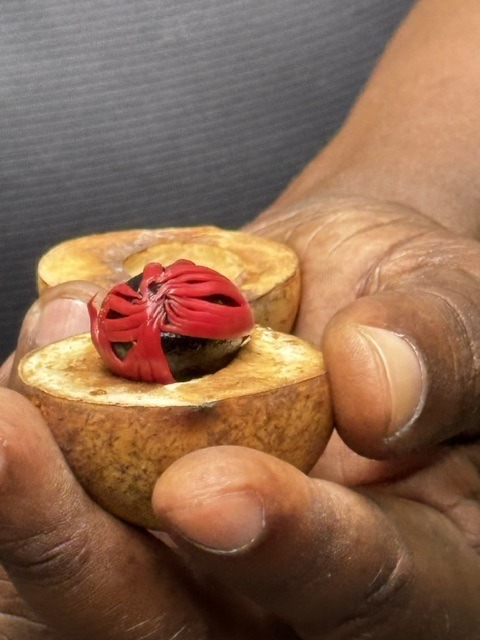
Other spices include nutmeg, ginger, cardamom, and turmeric. These spices produce everything from fragrant oils, medicinal remedies, and of course, tasty cooking. The vanilla pod makes perfumes, scented candles, soaps and other cosmetics.
A couple relatively unknown plants to me is the annatto or lipstick plant. Its bright red-orange seeds produce a natural pigment used in cosmetics and body decoration, as well as to color foods. So too with henna leaves when crushed to make dyes. And there is Ylang-ylang which produces fragrant flowers whose essential oil is used in perfumes.
Exploring Stone Town on Foot — Doors, Lanes and Legends
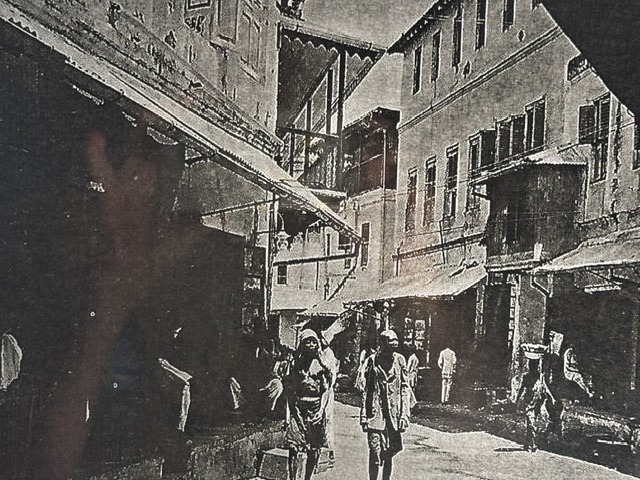
Stone Town earned UNESCO status in 2000. Recognized for its cultural infusion of Swahili, African, Arab, Indian and European influences blended over more than 1,000 years. Its architecture and street layout reflect centuries of maritime commerce on the Indian Ocean. Further, Zanzibar was a major East African slave-trading port and later an important center of abolition efforts.
We explore Stone Town on foot – the best way to discover a city whose narrow, winding lanes seem designed to keep you guessing. Cars give way to pedestrians. Bicycles and the speeding motorcycles squeezing through spaces hardly wide enough for vendors and pedestrians DON’T! I imagine they have excellent health care here as I’ve seen a thousand scooters zoom past but only two helmets.
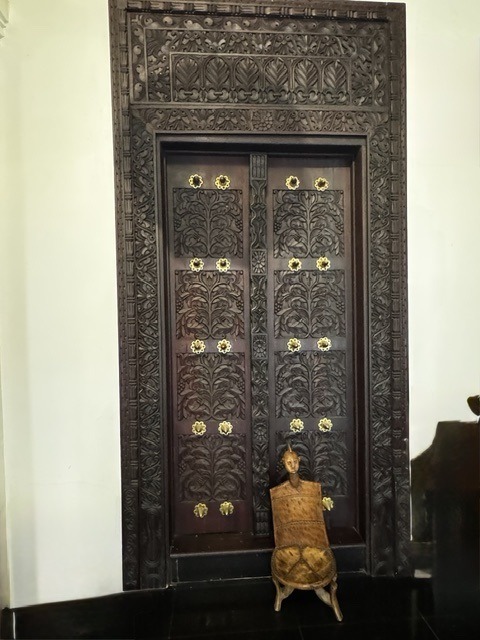
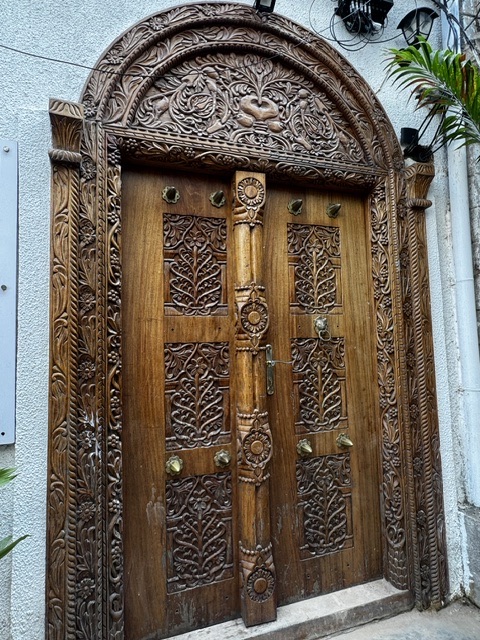
Ancient coral-stone buildings stand shoulder to shoulder, their weathered walls and courtyards lined with shops. Shop after shop after shop with owners sitting outside trying to coax every passerby to come see.
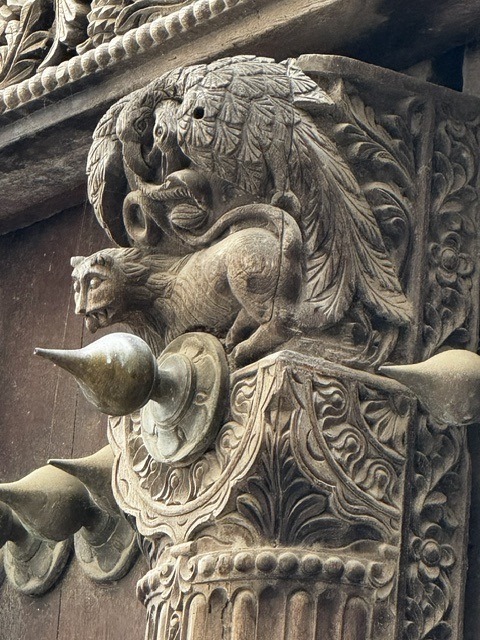

Ornately carved wooden doors hint at the wealth and cultural influences of Zanzibar’s past. Around every corner there sits something new to notice: a mosque, a tiny shop, a cat, colorful fabrics, a doorway worth photographing or simply the daily business of people going about their lives. Stone Town feels less like a collection of sights than a place to wander and dodge motorcycles.
And most everything could benefit from renovation and a serious power washing.
There also is an East Africa Slave Trade Exhibition and Memorial in the east of town. We do not visit. We do go down into the dark and damp holding quarters.
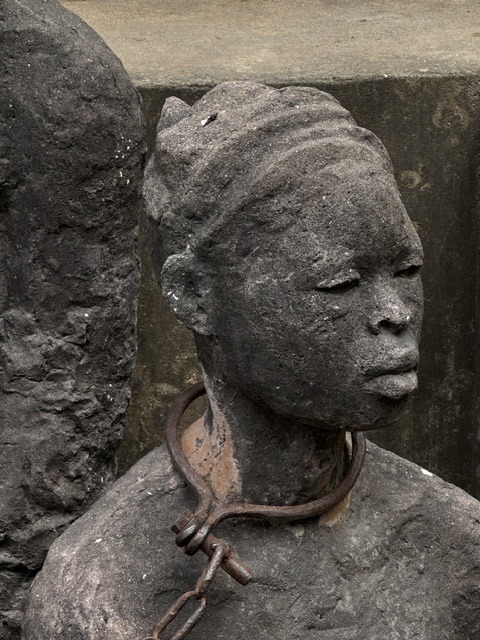
We also enter the Christ Cuurch Cathedral built atom the old slave market. The 17th century Old Fort is closed as is the beautifully carved ancient door/gate to the city.
Darajani Market — The Everyday Business of Zanzibar
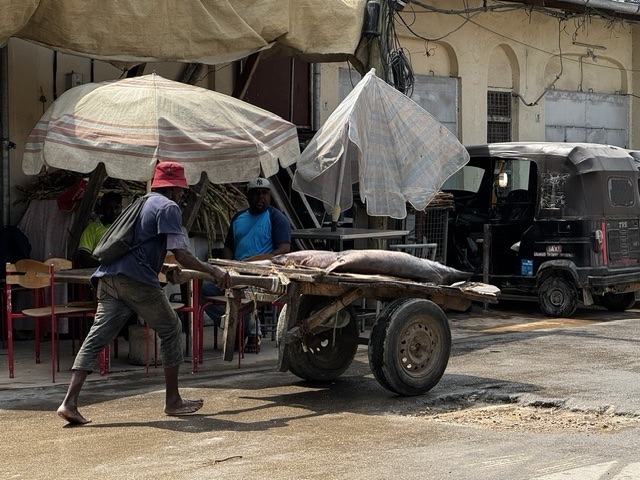
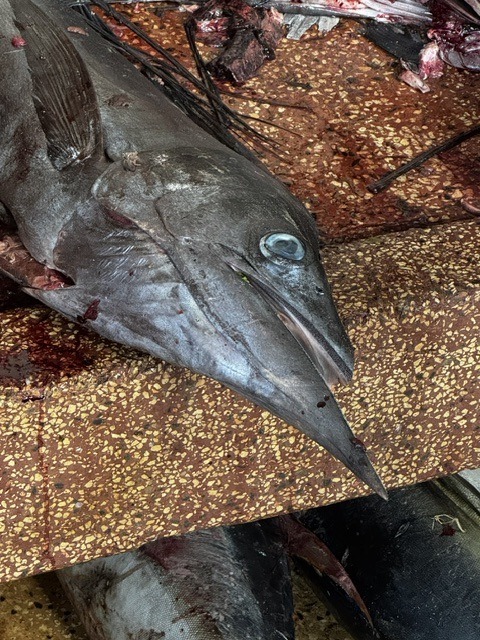
We enter Darajani Market, where everyday Zanzibar exists on full display. Stalls overflow with bananas, mangoes, cassava and other tropical produce. There are piles of spices (much cheaper than the farm), mounds of fish, large barrels of pulpo and squid, meat counters open to the flies and small shops selling everything from household necessities to clothing.
The air carries a pungent mixture of fragrant cloves, fresh fruit and the less delicate smells of the fish section. People bargain, shopkeepers call out prices, and shoppers weave through the crowded aisles. It is busy, noisy and alive.
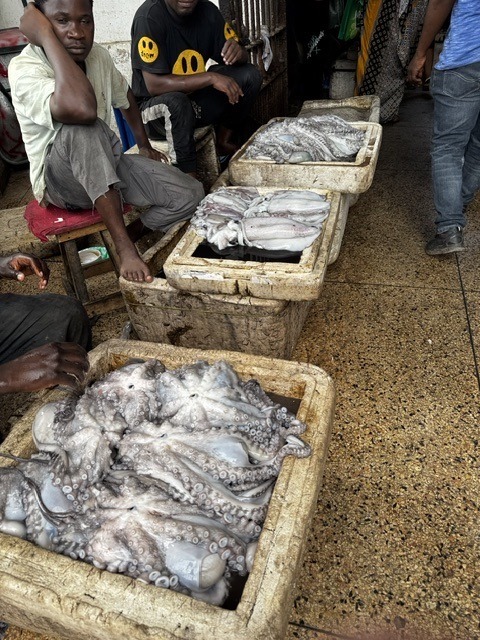
Compared with markets known for persistent tourist-focused selling, much of the activity here directs itself toward local customers, although the atmosphere varies from stall to stall. There may be vendors eager to sell, particularly near tourist-oriented stalls, but the main attraction is watching the ordinary business of buying and selling unfold. I can look, listen, smell.
I am glad I already purchased my Zanzibar key chain. This is a maze of shops, crowded and hot. There must be a hundred shops selling key chains and pretty much the same stuff just different vendors. There is no such thing as “just looking” so we keep on the move.
From Farrokh Bulsara to Freddie Mercury — Rock Royalty in Stone Town
Stone Town has a connection to one of rock music’s most unforgettable performers. Freddie Mercury, the legendary lead singer of Queen, was born Farrokh Bulsara in Zanzibar.
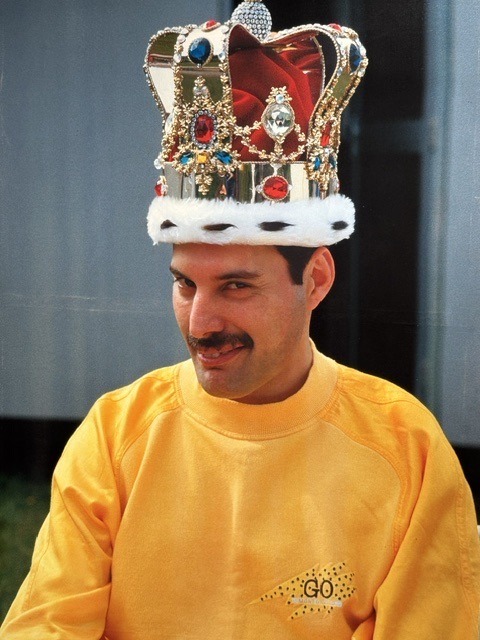
His family belonged to the Parsi community and practiced Zoroastrianism, a religion with ancient Persian roots.
Freddie spent part of his childhood in Zanzibar before enrolling in a boarding school in India. In 1964, amid political upheaval on the island, his family moved to England. There, Farrokh eventually became Freddie Mercury, the flamboyant performer with the extraordinary voice who would help make Queen one of the world’s most famous rock bands.
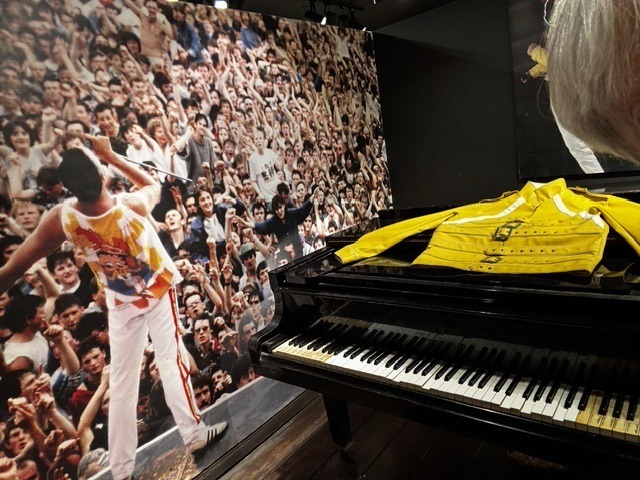
I visit the Freddie Mercury Museum at Mercury House on Shangani Street, a building associated with his family and early life. Photographs and memorabilia trace his journey from a boy growing up on Zanzibar to an international superstar.
Queen’s music provides the soundtrack to his remarkable story. It is a little astonishing to think that this quiet, historic town tells part of the story behind songs such as Bohemian Rhapsody and We Are the Champions.
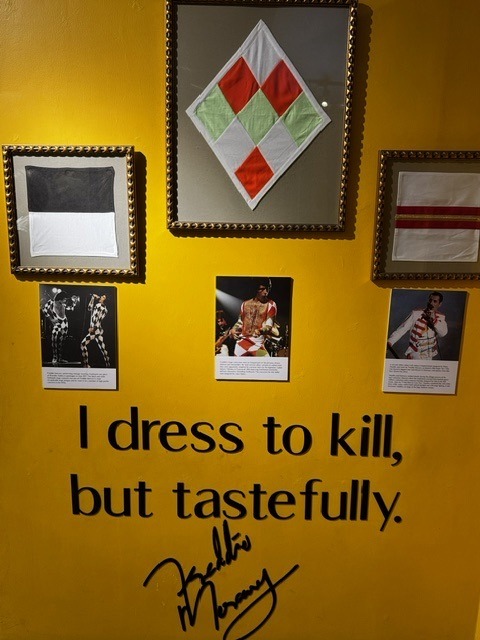
Freddie’s life connected Zanzibar, India and England – a fitting reflection of the many cultures that have shaped this island.
Sailing into the Sunset
A dhow is a traditional wooden sailing boat that has traveled the waters of the Indian Ocean for centuries. These boats were used by Arab, Persian, Indian and Swahili traders carrying spices, timber, textiles and other goods between East Africa, the Arabian Peninsula and India.
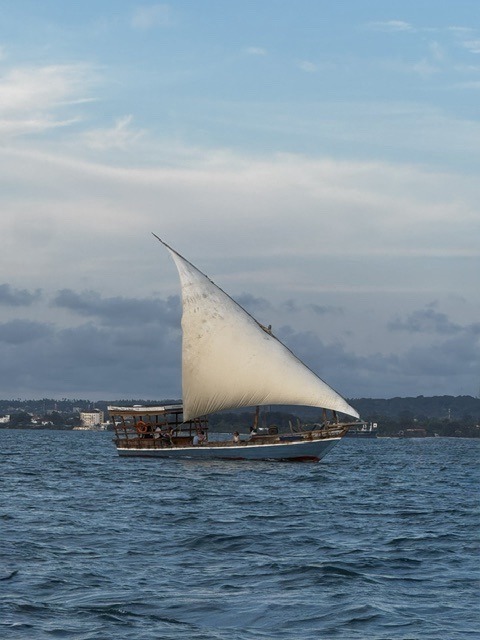
Their most recognizable feature is the large triangular sail, called a lateen sail. It catches the wind and carries the boat across the water. Dhows are part of Zanzibar’s maritime heritage, reminders of the centuries when the ocean connected distant cultures and made this island an important trading center.
This afternoon, we experience a little of history. As we sail away from shore, I settle in and watch Zanzibar recede into the distance, with the breeze and the gentle movement of the boat. The waters of the Indian Ocean gradually replace the noise and bustle of Stone Town.
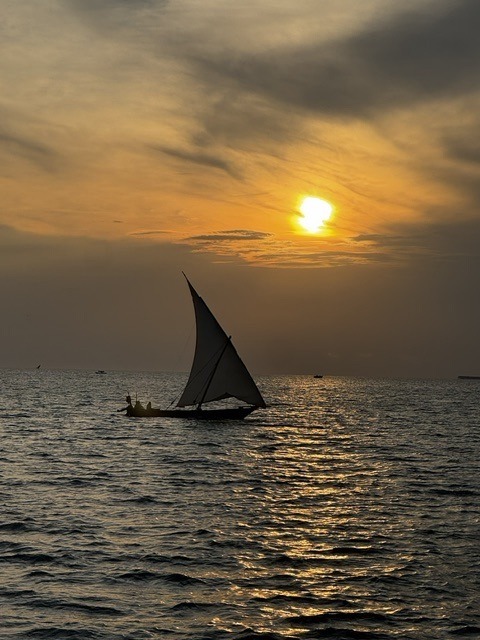
And then there is the sunset. The most spectacular sunsets come with a few clouds. In fact, those clouds can make the colors even more dramatic. If the clouds cooperate, the sky turns shades of gold, orange, pink and purple as the sun sinks toward the horizon. The sails become dark silhouettes against the changing colors, and for a little while, the world seems to slow down. I may not be much of a beach person, but put me on a traditional boat with a sunset to watch, and I manage well.
Mara Mara Hotel
I spend my final two nights in Africa within the historic city of Stone Town. The fortress walls sit right outside the door.
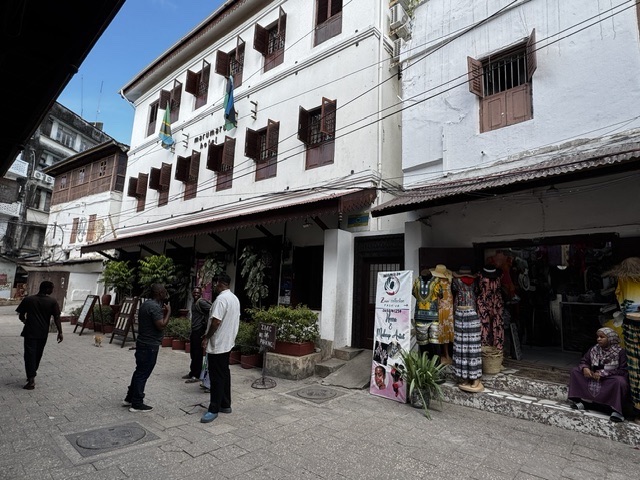
Maru Maru represents a centrally located hotel within a restored historic building built Zanzibari style. I would speak more highly of it had my room not been in a dark corner of the building requiring pumpkin seeds to find my way to the exit. Basically the patio door window faces an interior wall. No windows.
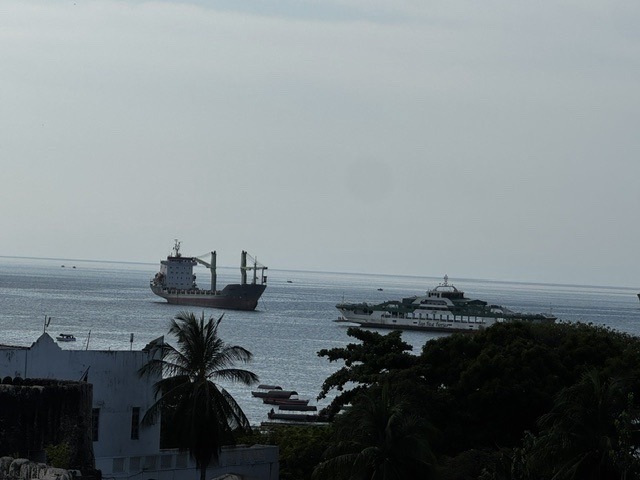
For me, its main attraction becomes its rooftop terrace, with a restaurant and lounge. From there, I can look across Stone Town’s rooftops toward the Indian Ocean. It is a lovely spot for a drink at the end of the day, watching the light change over a city in severe need of a power wash.
Dust, Jeeps and Friendship — Twenty Days of Bouncing Together
ET tours always end with a Farewell Dinner. This trip ends no differently.
Twenty days of bouncing around in jeeps, searching for animals and birds, sharing meals, swapping stories and even sailing together creates something special. Strangers become companions, and companions become friends.
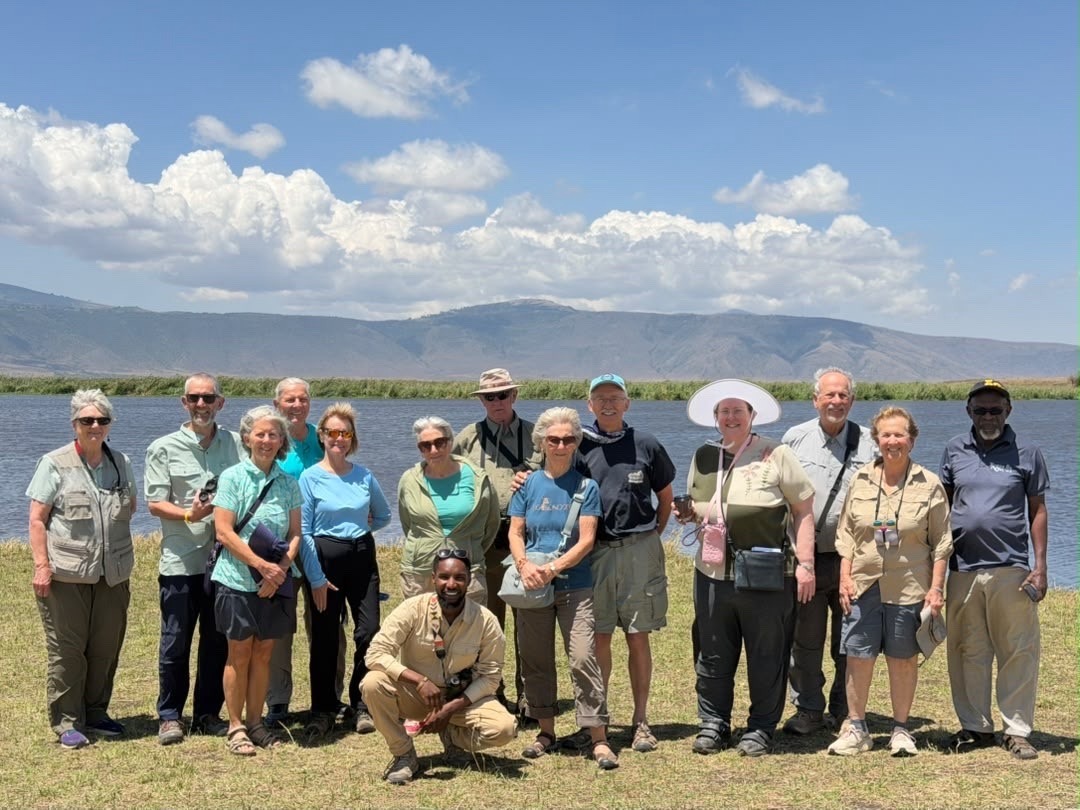
We’ve shared the excitement of great wildlife sightings, the laughter of unexpected mishaps, the dust, the long drives and the small moments that somehow become the best memories.
We’ve learned one another’s habits, heard one another’s stories and become a little family on the road. We share our next destinations and wish happy travels. Then comes the time to say goodbye. We’ll scatter back to our separate lives and corners of the world, carrying photographs, stories and memories of Africa. Twenty days together—and what a journey it has been.
Memories and wine flow freely, friendships remain.


0 Comments