28-29 October 2026
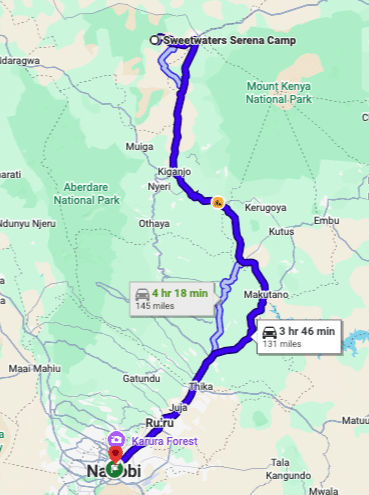
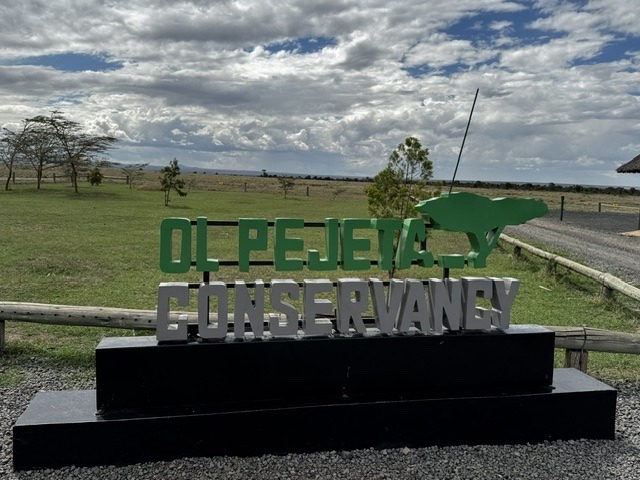
I depart north for Sweetwaters Serena Camp in Ol Pejeta Conservancy. The combination of game drives, a chimpanzee sanctuary, looking for rhinos, conservation stories, and sleeping in a tent assure me of a particularly interesting couple days.
The drive itself becomes part of a great experience. Once out of the traffic jams of Nairobi, we slowly crawl down a two-lane road. While basically smooth, speeds are consistently slowed by big highway humps. No speeding here! Villages dot the highway with very simple markets and lots of activity. We hear this represents a good road in Kenya.
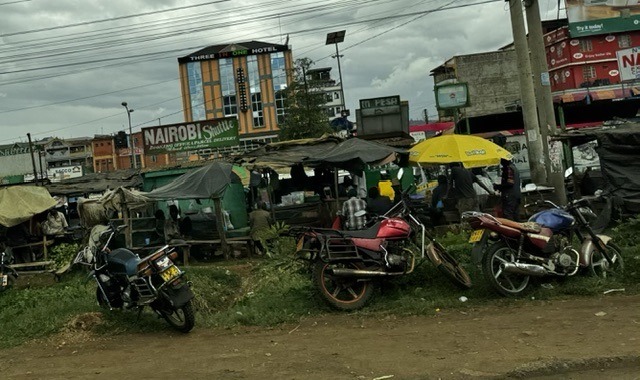
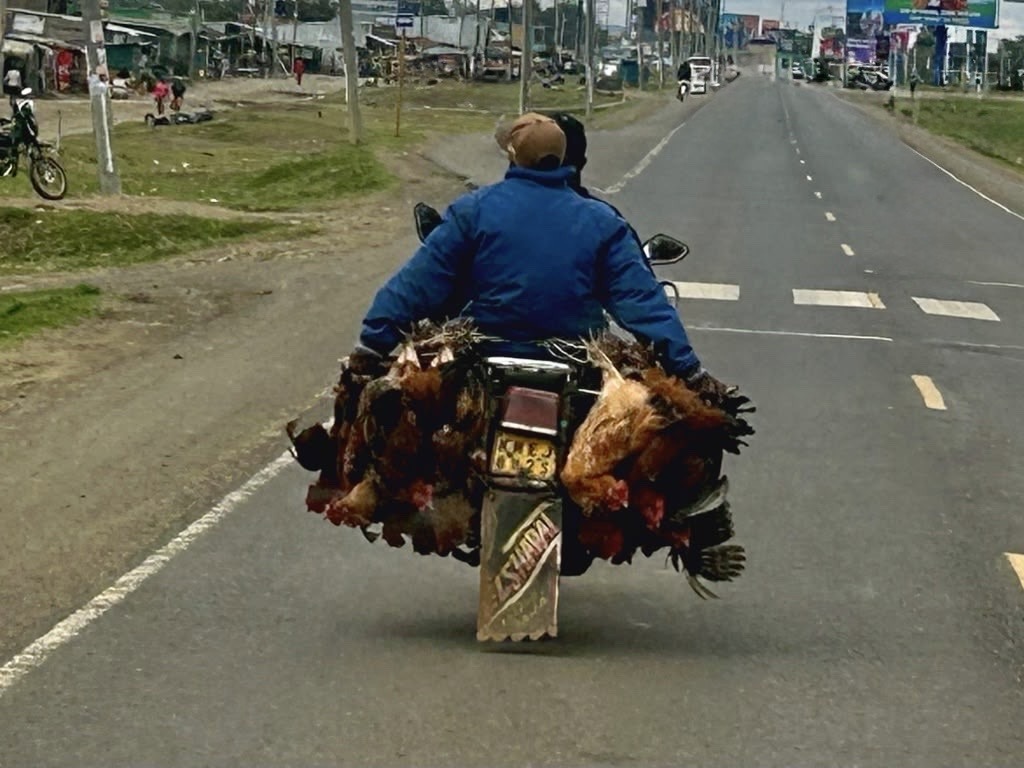
(Photo by Robert Klein)
The farther we get from Nairobi, the more the landscape begins to look like the Africa I imagine – open grasslands, scattered trees, distant hills and, eventually, wildlife.
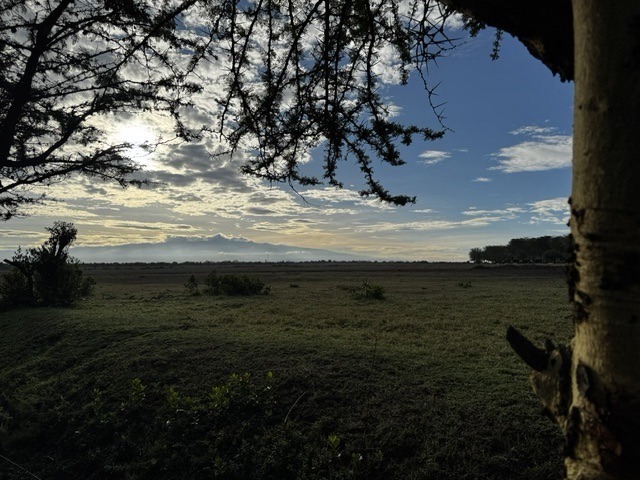
We drive north into the Laikipia region. Mount Kenya hides behind clouds. Mount Kenya is Kenya’s highest mountain and the second-highest peak in all of Africa, reaching an elevation of 17,057 feet. Our destination? Ol Pejeta – a major private wildlife conservancy known for combining wildlife tourism with intensive conservation work.
Hanging Out on the Equator
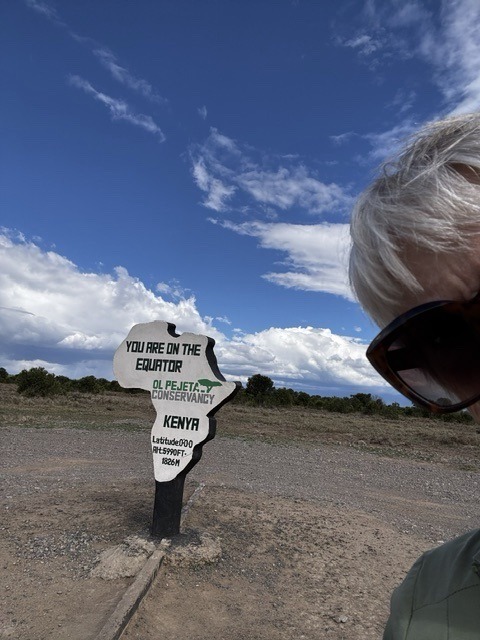
En route to our camp, we cross and recross the Equator. Here, our feet hit the ground for photo opportunities. No lions around.
Sweetwaters — Kenya Gets Wild
Once inside Ol Pejeta, the scenery changes dramatically. I look across open grasslands, scattered acacia trees and the foothills of Mount Kenya. I’m ready for our game drives.
Safaris become a bit of a treasure hunt. Our guide constantly scans the landscape, looking for movement that my untrained eyes completely miss. He seems to have x-ray vision. Spotting movement several hundred yards away, he points. We begin filling our wildlife bingo card.
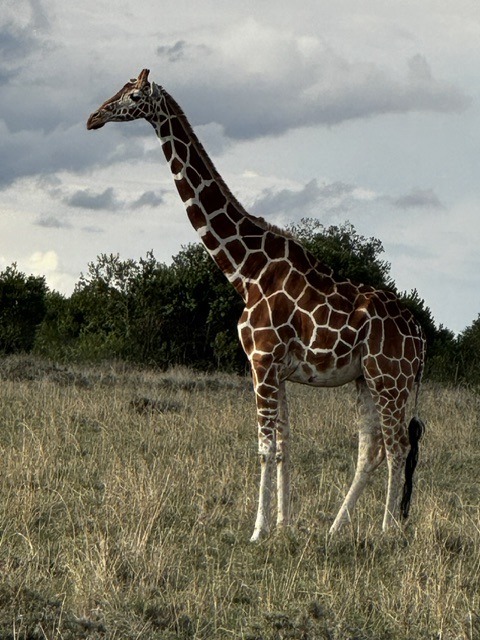
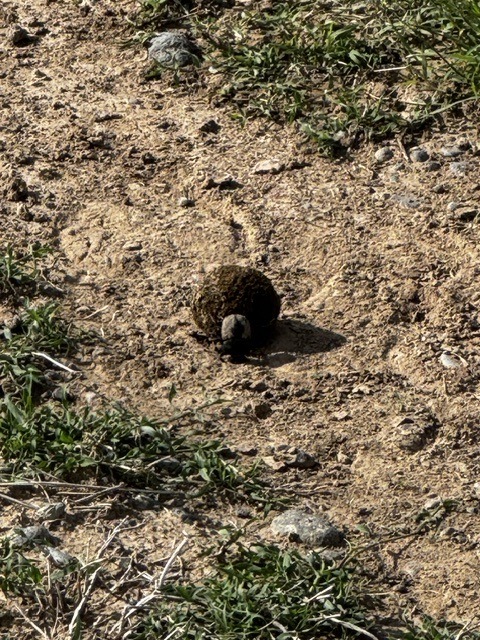
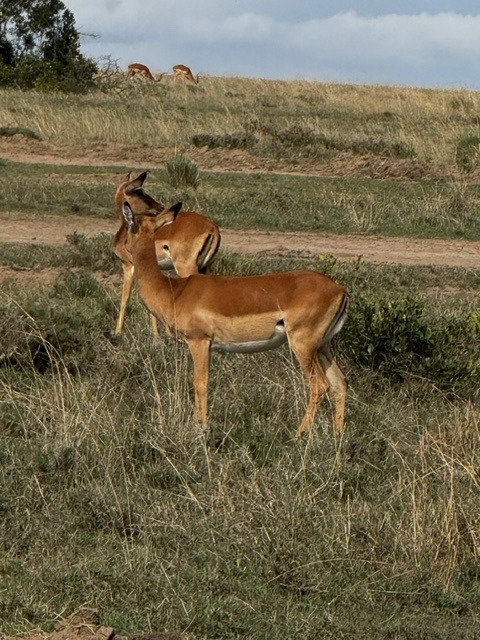
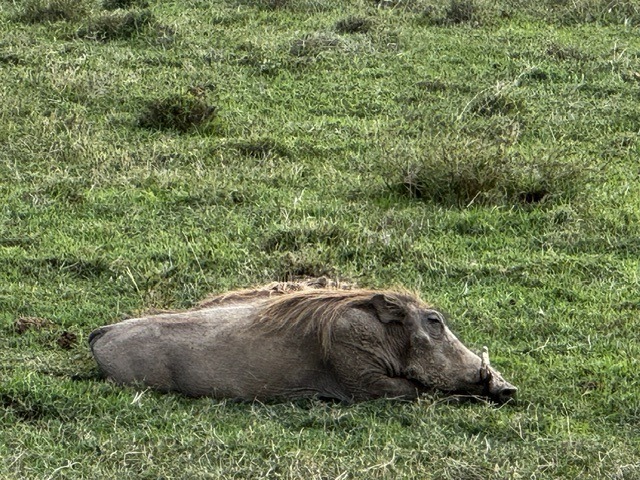
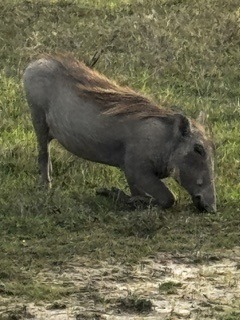
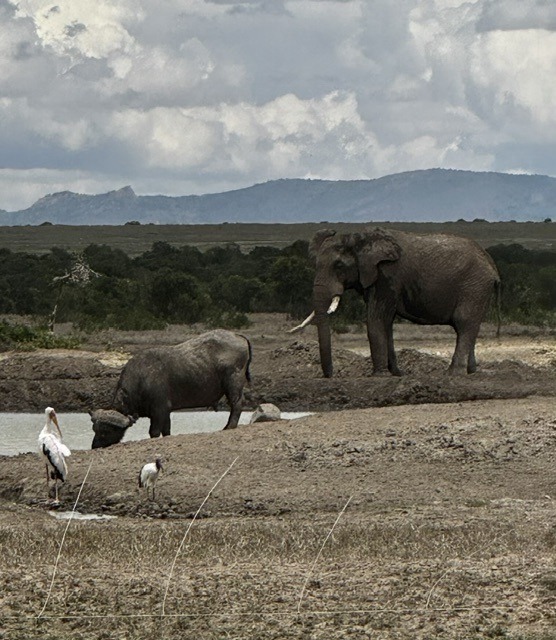
We spot a plethora of animals: elephants, giraffes, warthogs, cape buffalo, lion, white rhino, gazelle, impalas, baboons and a bunch of birds, including the Egyptian Goose. And one very industrious dung beetle. Binoculars up, lenses point.
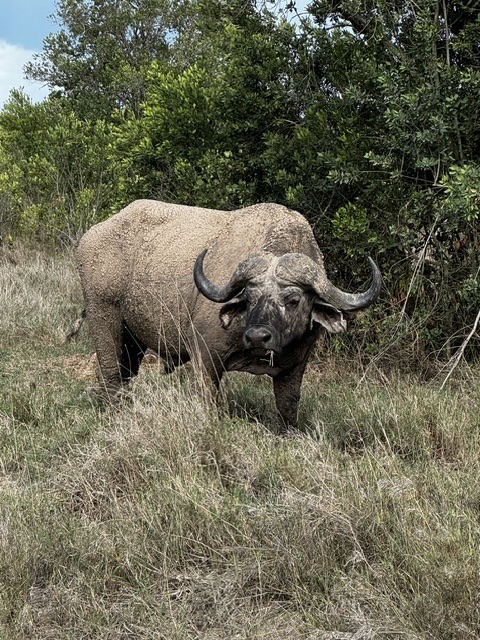
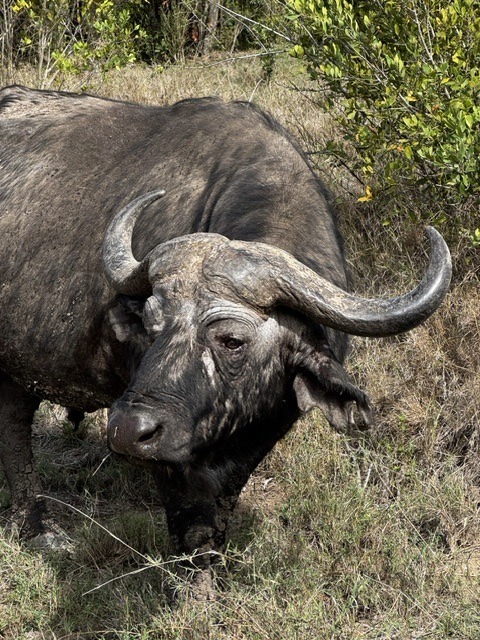
One minute we’re admiring buffalos or giraffes, the next, everyone is suddenly looking in a different direction at something new. That becomes part of safari fun. In fact, this is like a box of Forrest’s chocolates: you never know what you’re gonna get.
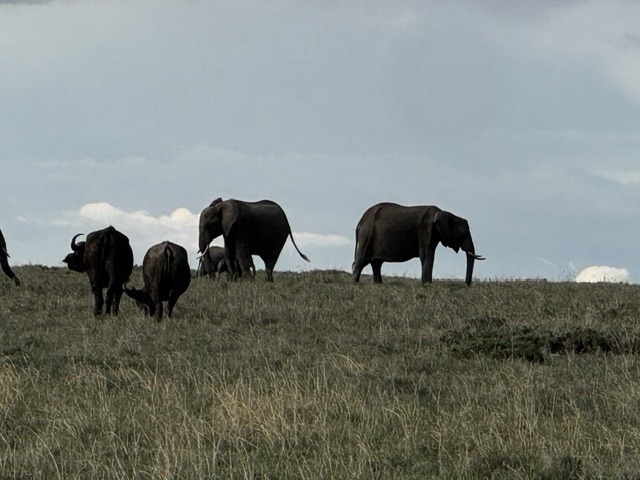
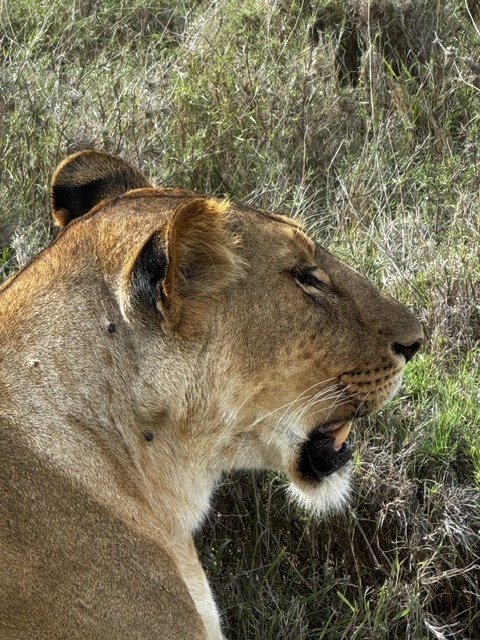
That’s the thing about a safari. There is no schedule for the animals. They didn’t read our itinerary.
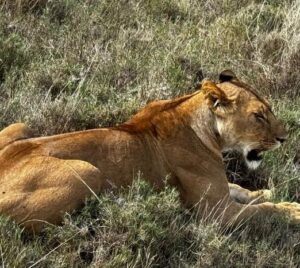
Of course, a goal is to spot the Big Five. I brought my Big Five t-shirt, purchased in 2006 in South Africa. The Big Five? The elephant, buffalo, lion, leopard, and rhinoceros. Doesn’t count if seen in a zoo. We’ve seen four – have yet to spot the leopard. But, we just got here.
Who decided the Big Five? Why them?
It turns out the name has nothing to do with size. The term originated with big-game hunters who considered these five animals the most difficult and dangerous to hunt on foot. Today, fortunately, the emphasis rests on photographing them rather than shooting them.
Still, I’m wondering about the selection committee.
Why not a jackal? Or a baboon? Surely a baboon deserves at least an honorable mention. They may not have the same dangerous reputation, but anyone who has ever seen one up close knows they have attitude.
A baboon can be fascinating. A jackal can be fascinating. But a leopard can hunt the hunter. So, the Big Five designation resulted not from science but essentially from a historical safari term.
Rhino Spotting – Why “Black” and “White”?
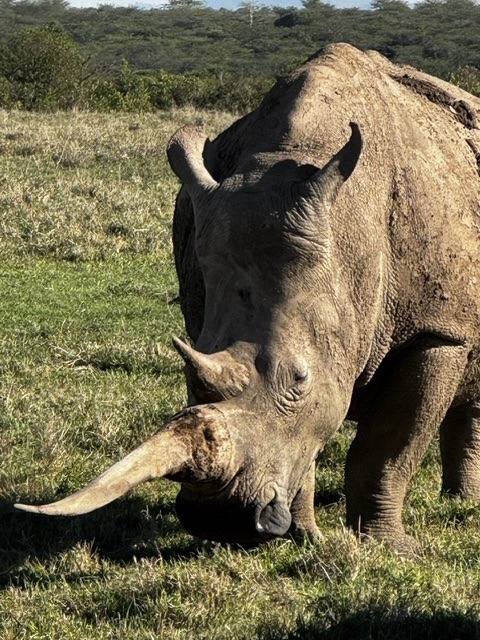
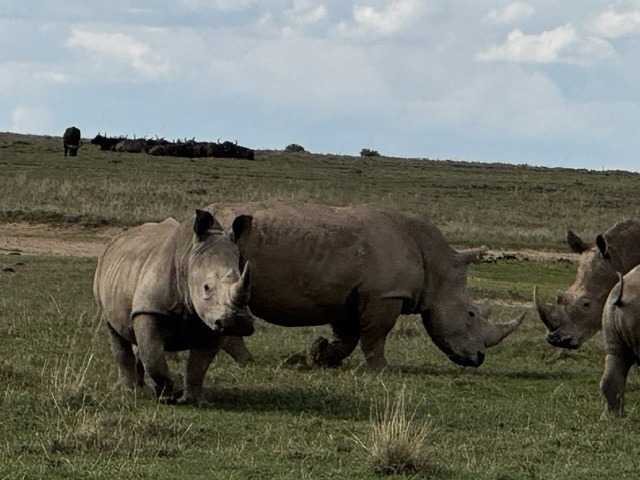
Ol Pejeta,known for its rhino conservation work, is home to both black and white rhinos. Supposedly, it hosts the last two northern white rhinos.
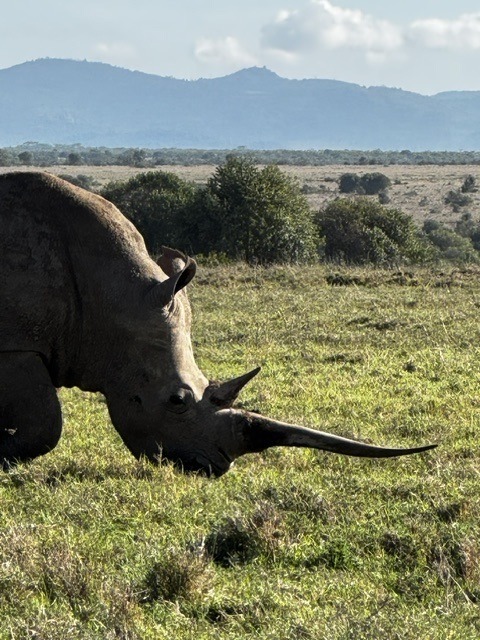
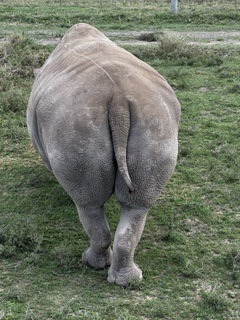
Left, Eastern White Rhino flourish at Ol Pejeta.
The names came from a misunderstanding involving the Dutch/Afrikaans word wyd, meaning wide. The white rhino’s broad, wide mouth was described as such, and the English word “white” became associated with it. The black rhino was then called “black” to distinguish the two. So, the white rhino isn’t white, and the black rhino isn’t black. Nature apparently decided that naming animals accurately was overrated.
The easiest way to tell them apart is to look at the mouth. The white rhino features a wide mouth and grazes grass. The black rhino has a pointed mouth and is a leaf and shrub eater. If one sees a rhino with its head down, mowing the grass like a very large, very heavily armored lawnmower, it’s probably a white rhino.
More Close Encounters of Animal Kind
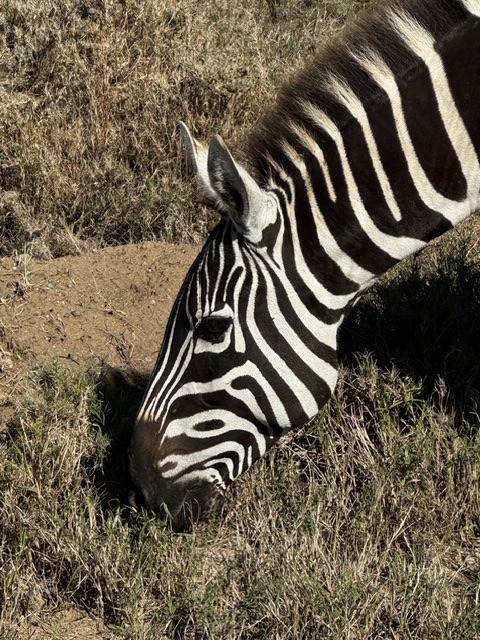
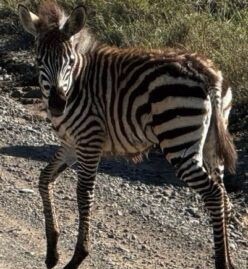
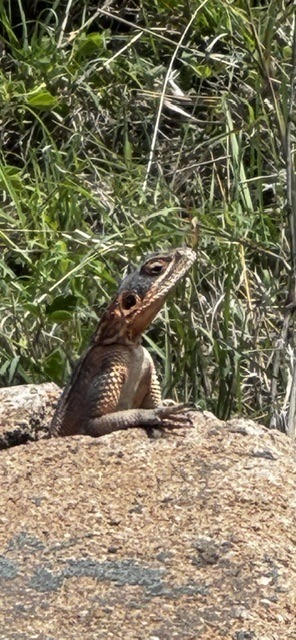
We climb aboard our Range Rover and head out for a few hours of animal spotting. This morning, the grasses feed a huge heard of zebras, cape buffalo, rhinos, elephants, and hartebeests. Hanging out close by is a black rhino, a hornbill and a giraffe. And a lone Kenyan Rock Agama looking for her man.
Ol Pejeta Conservancy: A Sanctuary for the Northern White Rhino
Ol Pejeta Conservancy is one of Africa’s most important wildlife conservation areas and a global leader in rhino protection. It is home to the world’s last two surviving northern white rhinos, both females, whose survival represents a race against extinction.
Right, Najin, one of two female northern white rhinos. the other is her daughter, Fatu.
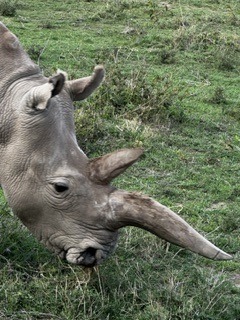
Through intensive protection, veterinary care and advanced assisted-reproduction research, Ol Pejeta is working to preserve the northern white rhino’s genetic legacy and, hopefully, bring the subspecies back from the brink.
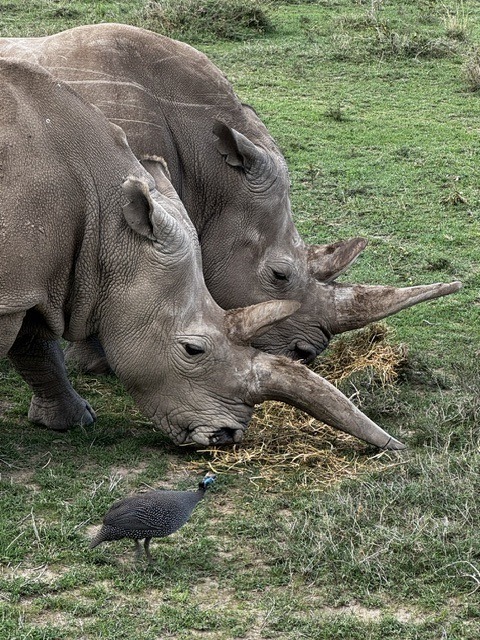
The northern and eastern white rhinos differ as northern rhinos have pimply skin, tufted ears and a longer, tufted tail. More space can be seen between the horns.
A star of the rhino program was Baraka, a blind black rhino. Sadly, he passed away earlier this summer.
Visiting Ol Pejeta represents an opportunity to witness conservation in action and the determination to ensure that future generations will still know these magnificent animals. Their story is a powerful reminder of both the devastating impact of poaching and the extraordinary efforts being made to save endangered wildlife.
These rhinos are the fortunate ones. Others, poached for their horns, lie in the Ol Pejeta Rhino Cemetery.
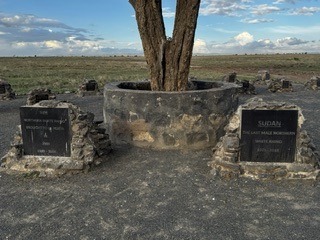
We briefly stopped at the Rhino Cemetery. Honored here are many of the rhinos lost to poaching. It acts as a stark reminder of the importance of the work done at Ol Pejeta.
A Different Kind of Encounter – Visiting Pan troglodytes
Pan troglodytes? This sounds like something belonging in a dinosaur documentary. But it simply represents the scientific name for a common chimpanzee. They are great apes – not monkeys – and are among our closest living relatives. Chimpanzees more closely relate to humans than to monkeys. Researchers site approximately 98.6% shared DNA between us humans and chimpanzees.
Our visit at Sweetwaters Chimpanzee Sanctuary feels very different from the game drive. These aren’t chimpanzees that simply happen to live in Kenya. Chimpanzees are not native to Kenya. Their natural range is in western and central Africa, from Senegal across the forest belt toward Uganda
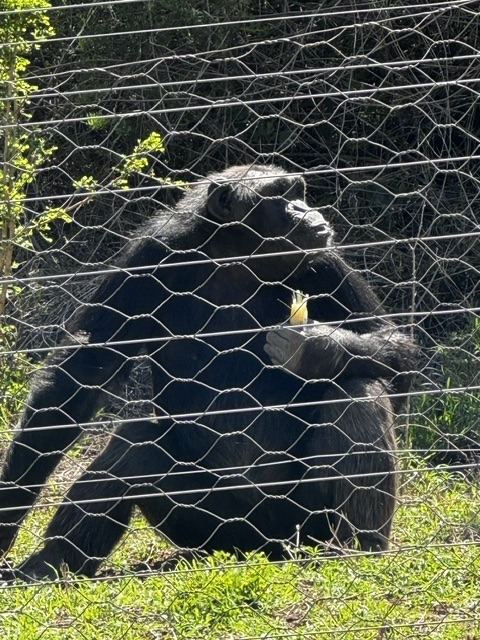
These chimps were rescued animals, many of whom came from situations involving illegal wildlife trafficking, abuse or captivity. The sanctuary gives them a protected place to live and, as much as possible, behave like chimpanzees.
Jane Goodall Enters the Story
The Sanctuary was established in 1993 through a partnership involving Ol Pejeta, Kenya Wildlife Service, and the Jane Goodall Institute. Her work fundamentally changed the way people understood chimpanzees. Her decades of research in Tanzania demonstrated that chimpanzees exhibited remarkably complex social relationships and behaviors including tool use, grooming, cooperation, affection, and strong individual personalities. Unfortunately, they also exhibit arguing and fighting. At times, their behavior looks uncomfortably human.
Then one of them does something completely ridiculous, and I think, Well, perhaps the family resemblance is strong.
Goodall’s work eventually expanded into worldwide chimpanzee conservation. When visiting Sweetwaters, I’m not simply seeing a cute “chimpanzee show.” These chimps live in large naturalistic enclosures separated by the Ewaso Nyiro River, and behave as chimpanzees.
These apes are complex animals deserving protection rather than objects of exploitation. So, they don’t necessarily cooperate with a tourist’s photography schedule. But, they could be bribed by a bit of sugar cane. That’s wildlife for you.
Sweetwaters – The Tent That Isn’t Really Camping
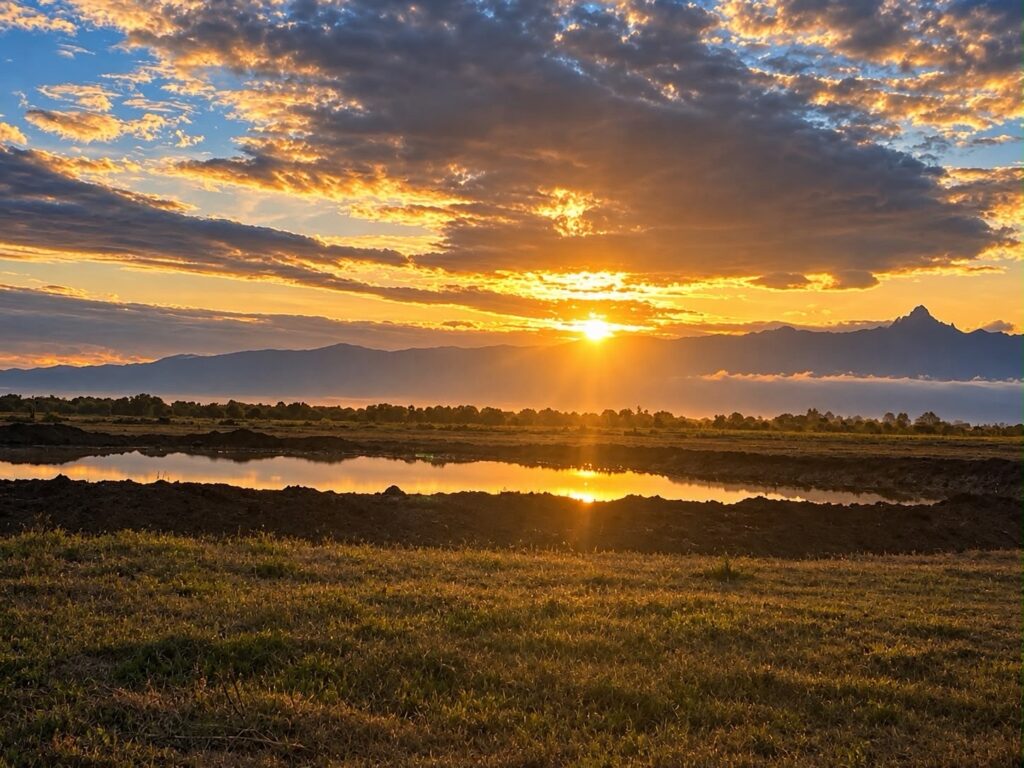
I stay at Sweetwaters Serena Camp, which sounds adventurous until I discover that “camp” and “tent” do not necessarily mean roughing it. Yes, I am technically sleeping in a tent but I won’t be rolling out a sleeping bag on the ground. How much “camping” is actually involved? Not much.
These are comfortable safari tents. I enjoy a proper bed, ensuite bathroom, electricity/Wi-Fi and a private veranda. There is also a heated swimming pool, restaurant, bar and recreational facilities. The camp sits inside Ol Pejeta, with views toward Mount Kenya and wildlife roam the property. Think: Africa on the outside; hotel room on the inside. At least I hope the animals stay on their side of the tent.
But the best feature may be the setting. The camp supports a waterhole, and animals come to drink. Whether during dinner or on my veranda, I enjoy a joyful gathering at ye ole watering hole.
Sleeping in the Wild – Sort Of
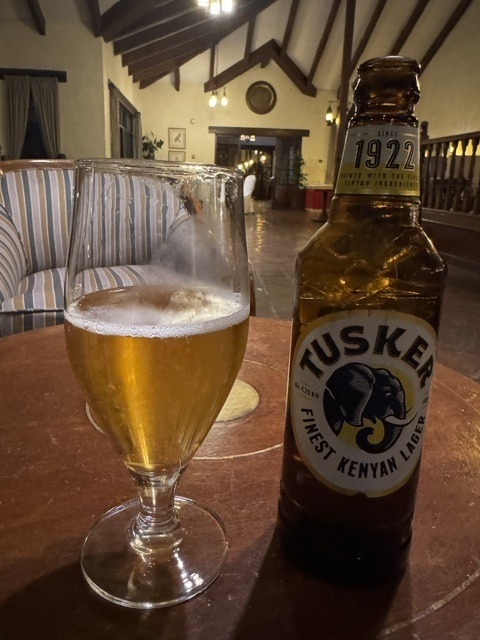
I’ve earned a cold Tusker to close the evening. We enjoy a good dinner and settle into our tent for the night. The contrast becomes wild Africa outside, comfortable tented accommodations inside. And now the sounds of Africa become the soundtrack.
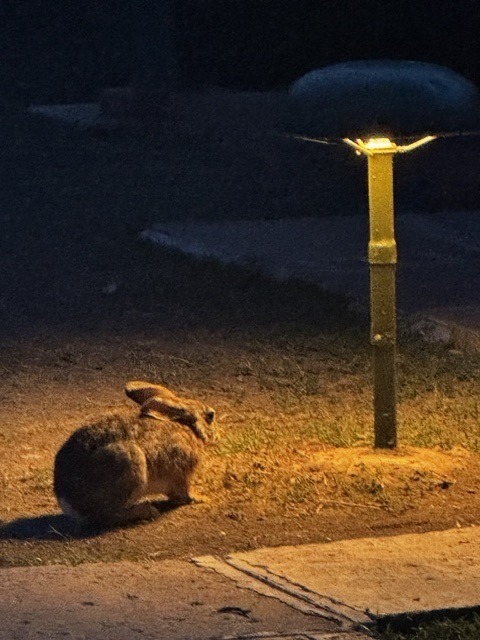
As I listen for grunts and roars, I am reminded my room has canvas walls. Animals hunt out there in the darkness; unrecognized sounds come from the surrounding bush. I hear a snort which seems just outside my tent. I look at the thin canvas between me and hungry, hunting animal life. I’m not comforted by the electric fence between me and the watering hole.
This is definitely not the Marriott. And frankly, that’s the whole point.

0 Comments